Maltese: Dog Breed Characteristics & Care
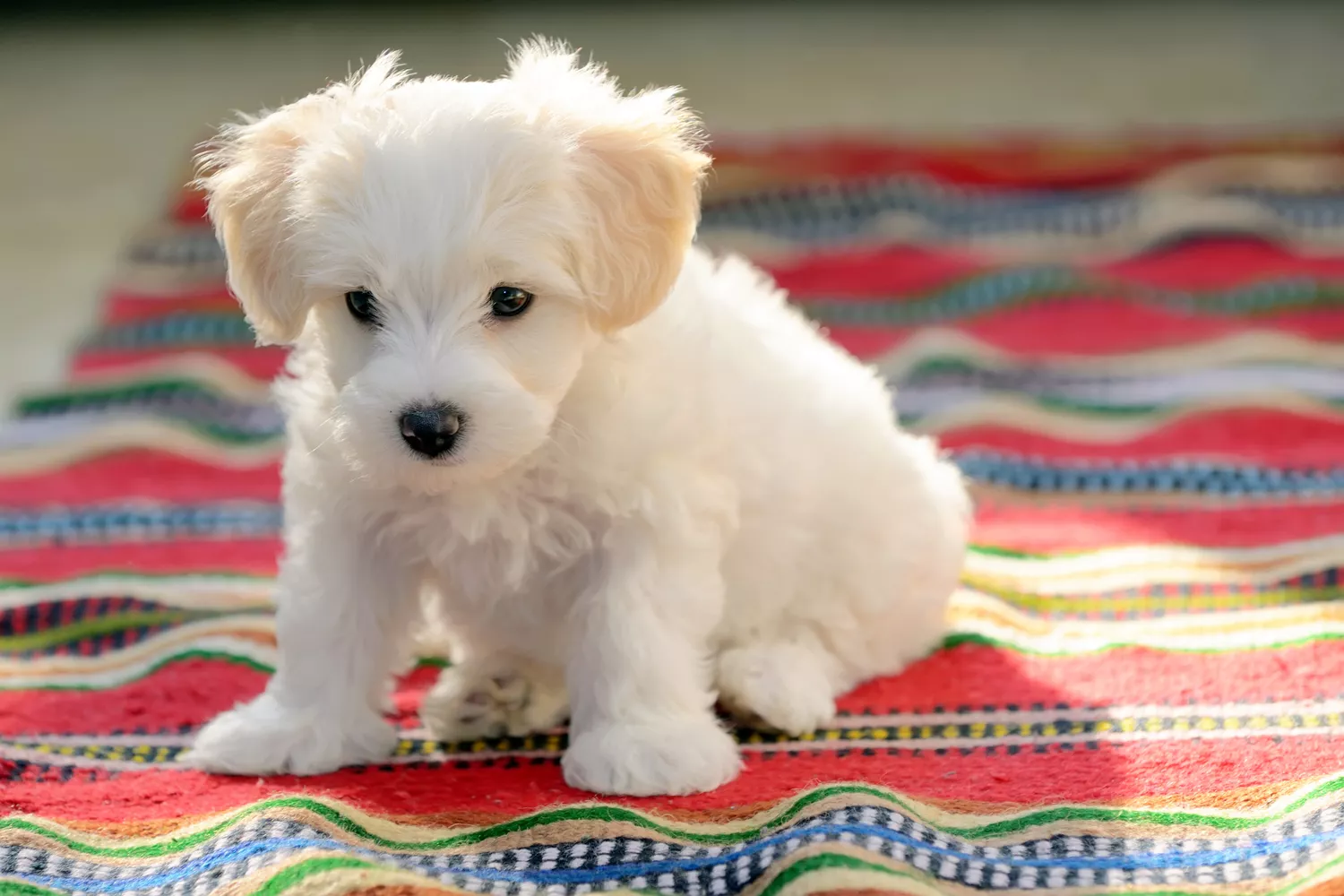
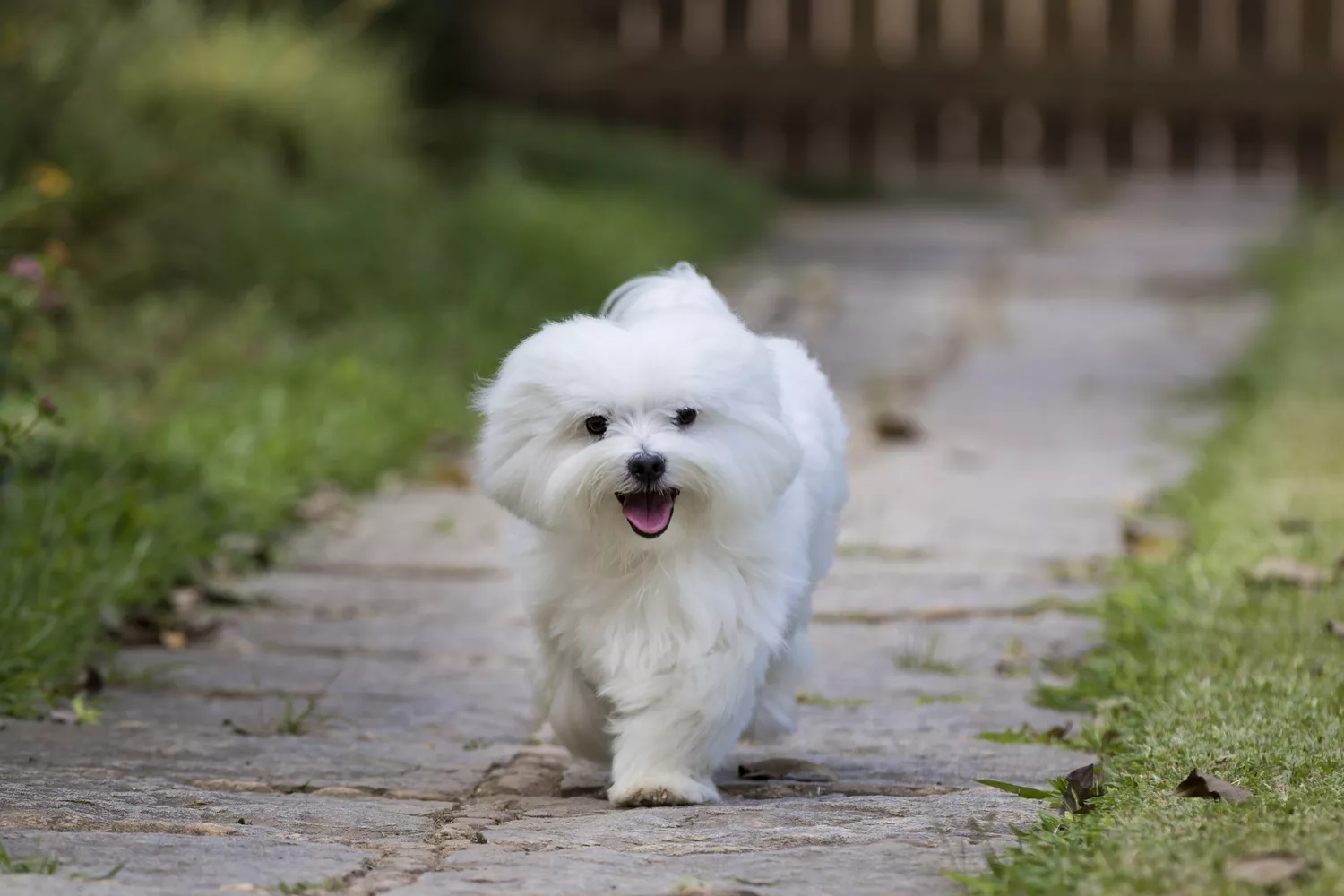
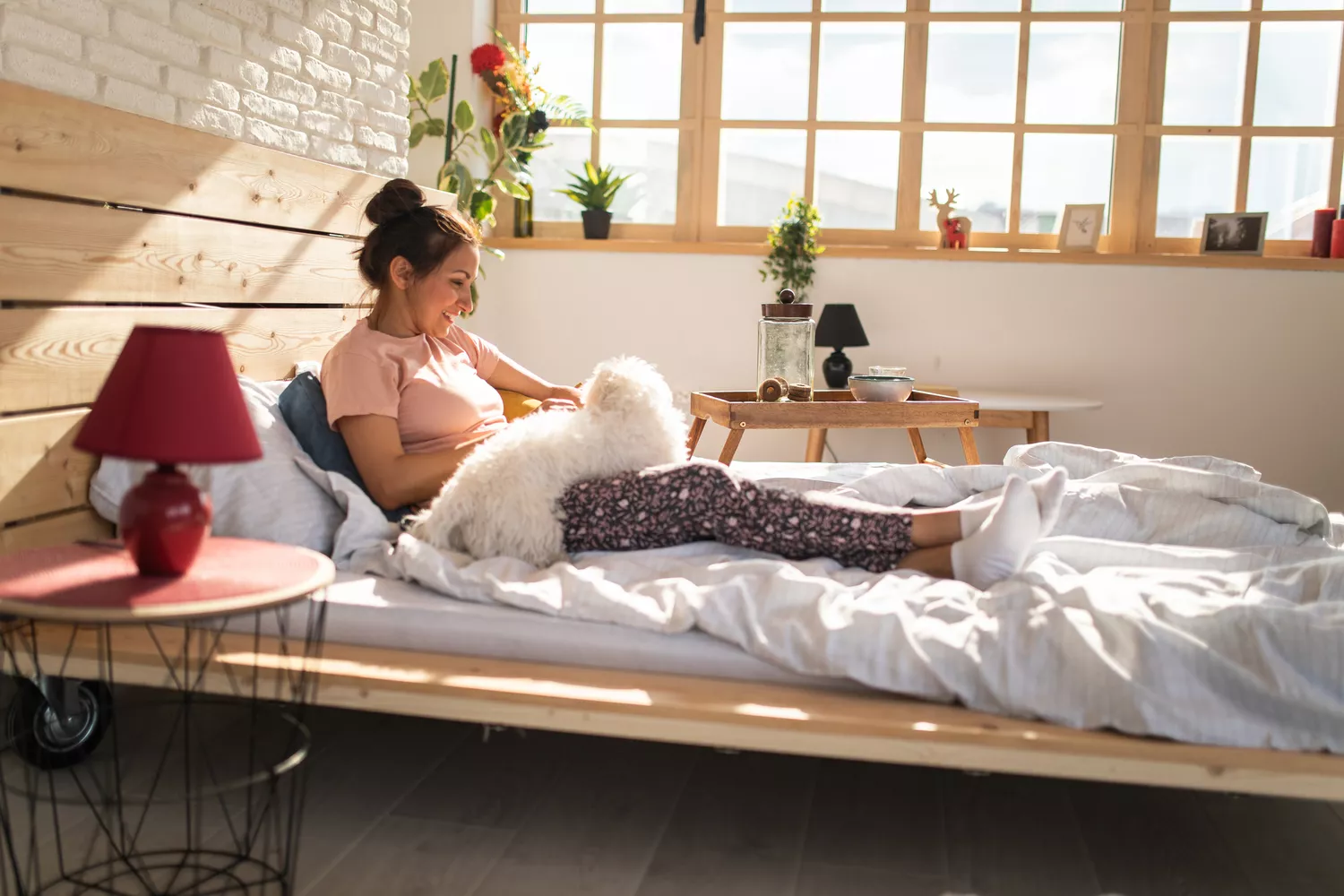
The Maltese is a small and affectionate toy dog breed that hails from the Mediterranean region and is known for its trademark silky, white fur that accentuates big, dark eyes. This can make for a charming lapdog, though they still need daily exercise.
The Maltese also can be an alert and fearless watchdog, despite their small size. Plus, they can be a good option for those who want a low-shedding dog, though they require some involved grooming.
Learn more about the Maltese’s history, care needs, temperament, and more.
Breed Overview
GROUP: Toy
HEIGHT: 7 to 9 inches
WEIGHT: Under 7 pounds
COAT: Long, silky
COAT COLOR: White
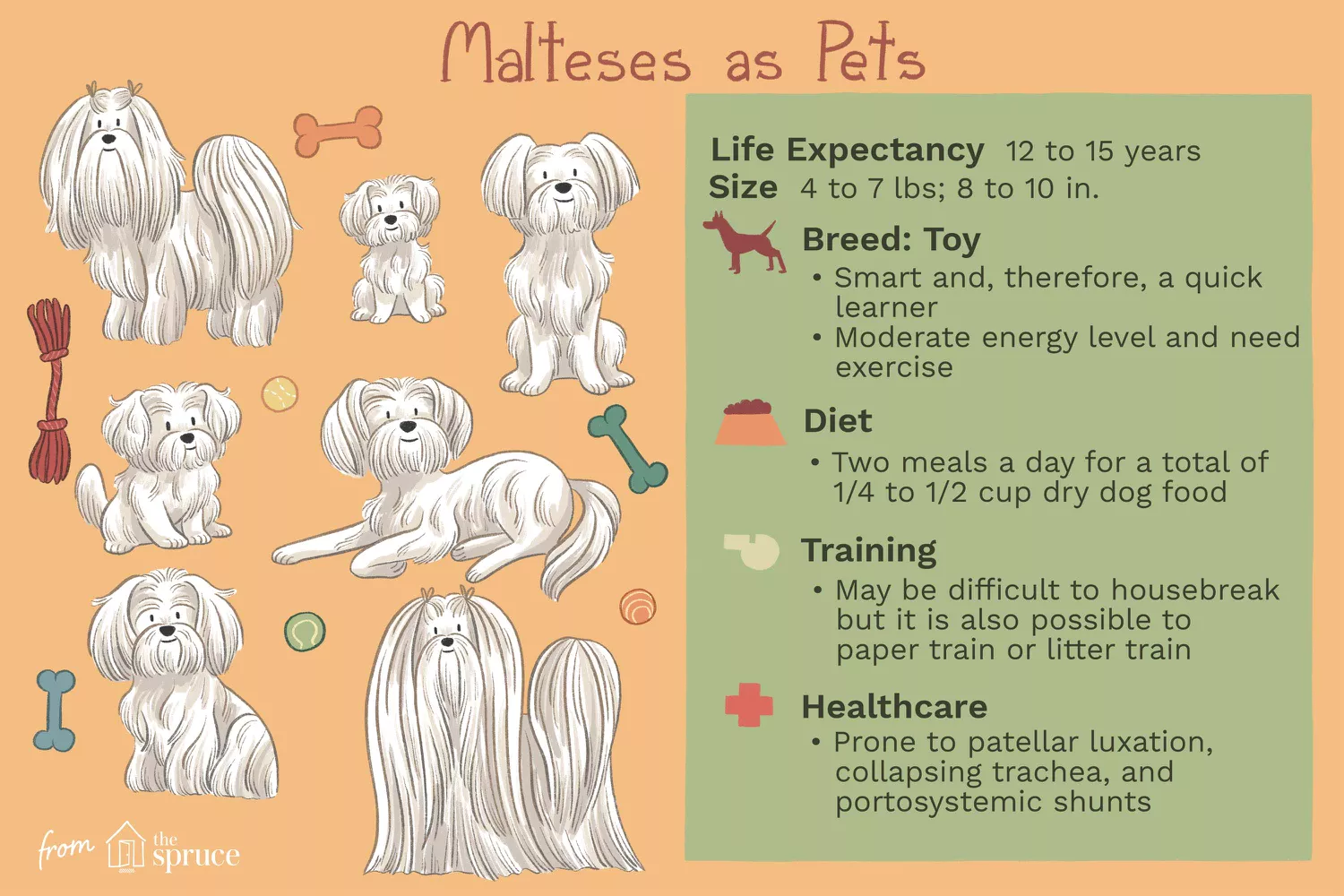
LIFE SPAN: 12 to 15 years
TEMPERAMENT: Affectionate, alert, fearless
HYPOALLERGENIC: Yes
ORIGIN: Malta/Mediterranean region
Characteristics of the Maltese
Maltese tend to be very affectionate with their family. But their watchdog tendencies can make them somewhat defensive around strangers.
They can be a bit stubborn when it comes to training, and they are a medium-energy breed.
In addition, as a delicate little dog, the Maltese is not recommended for a household with small children due to the risk of injury to the dog. But this might be a suitable choice for families with gentle older children.
Affection Level | High |
Friendliness | Medium |
Kid-Friendly | Medium |
Pet-Friendly | Medium |
Exercise Needs | Medium |
Playfulness | Medium |
Energy Level | Medium |
Trainability | Medium |
Intelligence | Medium |
Tendency to Bark | Medium |
Amount of Shedding | Low |
History of the Maltese
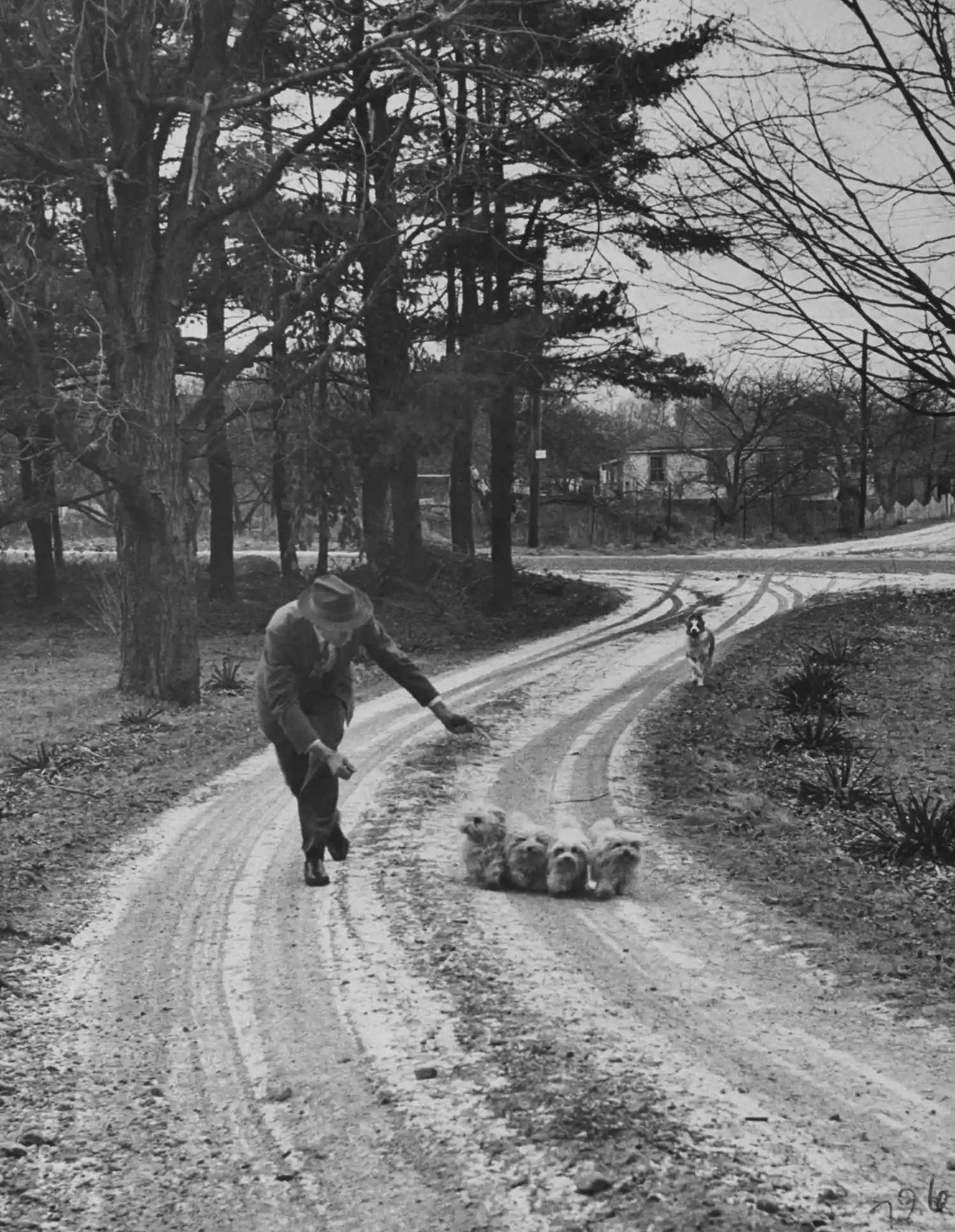
The Maltese can be traced back thousands of years to the Mediterranean region, specifically Malta. The breed can be found on ancient Greek pottery and was even admired by the philosopher Aristotle.
Roman aristocrats kept Maltese as status symbols and carried the petite dogs around with them. Unlike many small dog breeds, the Maltese was not bred down from larger dogs; they've always had a small stature.
After the fall of the Roman Empire, Maltese numbers diminished. But Chinese breeders kept the breed alive and refined it via crosses with their toy breeds.
The American Kennel Club first recognized the breed in 1888, and it has remained popular to this day.
Maltese Care
Maltese need exercise and playtime every day, and they prefer to receive a lot of attention. They need proper training and socialization to ensure they have good manners. And they have fairly high grooming needs.
Exercise
The Maltese has a moderate energy level. They should get at least a half hour to an hour of exercise per day via brisk walks, hikes, fetch, and other play. Due to their small size, they don't require that much space to get in a good workout.
Puzzle toys and even dog sports like agility can help challenge them mentally, as well.
Note that this dog does not tolerate extreme temperatures well, as they lack an insulating undercoat. It's best to keep outdoor exercise short in cold weather, and provide your dog with a coat or sweater.
Grooming
The silky coat of the Maltese grows continuously. For easier maintenance, many people opt to trim the coat short, and it takes on a wavy, fluffy quality. Others keep the coat long and flowing.
Because of this coat type, routine grooming is an absolute necessity. The Maltese should be brushed two to three times per week and up to daily if the coat is kept long. Regular trims will be necessary as well to maintain the desired coat length.
Furthermore, weekly to monthly baths will be necessary to keep the coat clean. Check to see whether the ears need cleaning weekly, and see whether your dog is due for a nail trim roughly once a month.
In addition, Maltese are prone to showing tear stains underneath their eyes. There are products available at pet stores to help remove these stains. Moreover, those cute bows or topknots you see on a Maltese serve the purpose of keeping the hair out of the dog's eyes to prevent irritation.
Finally, this breed needs good attention to dental hygiene to prevent teeth and gum problems. Aim to brush your dog's teeth daily, and take them for professional cleaning as needed.
Training
Like all dogs, the Maltese needs proper training and socialization to be happy and well-adjusted.
These dogs can be somewhat headstrong, and centuries of living closely with people have taught them how to get what they want. However, they still respond fairly well to training when offered treats and other positive reinforcement.
Aim to start training and socialization when your dog is a puppy. Enroll in a puppy obedience class as soon as your dog meets the age requirement. And expose them to different people, other animals, and various situations. Maltese can be protective around strangers and in strange situations, potentially barking a lot or nipping. So it’s important to instill comfort and confidence in them, along with good manners.
Furthermore, many Maltese exhibit separation anxiety if they’re left alone for long periods. They might bark continuously and engage in destructive behaviors. Behavioral training can help curb some anxiety. However, it’s best for a Maltese to live in a household where someone is home for most of the day.
Common Health Problems
Maltese are usually healthy dogs, though they are prone to some hereditary health conditions1. They include:
Patellar luxation: This is when the kneecap slips out of the groove it should stay in. It can cause mobility problems and pain, and should be addressed by a vet.
Heart issues: This breed can develop heart problems, including patent ductus arteriosus, which is a birth defect. Your vet can determine if your dog has heart problems, and can recommend the right treatments.
Liver issues: The Maltese can experience liver problems, including liver shunt and microvascular dysplasia, both of which can be inherited.
Encephalitis: This is inflammation of the brain. Symptoms depend on the area of the brain that’s affected. A vet can guide treatment.
Diet and Nutrition
Always have fresh water available for your Maltese. And feed a quality, nutritionally balanced dog food. Most dog parents opt to feed two meals per day.
A diet formulated for small dogs can be ideal, as the pieces will typically be smaller and easier to eat while providing proper nutrition.
Monitor treats and other food intake to prevent overeating. Discuss the type of food and quantity with your vet to make sure your dog is getting what they need for their size and lifestyle.
Where to Adopt or Buy a Maltese
Check local animal shelters and breed-specific rescue groups to find a Maltese in need of a home.
If you plan to go to a reputable breeder, expect to pay around $2,000 for a puppy2, though this can vary widely depending on bloodline and other factors.
For further information to connect you with a Maltese, check out:
American Maltese Association
American Maltese Association Rescue
Maltese Overview
The Maltese is a beautiful little white dog that can make a lovely companion. These dogs do have high grooming requirements, and need proper training and socialization. They also may not be suitable for homes with small children.
Pros of Maltese
Enjoys being a lapdog
Very affectionate
Low shedder
Cons of Maltese
Requires regular grooming
Can be stubborn and defensive
Does not tolerate cold weather well
More Dog Breeds and Further Research
Before bringing home a Maltese, take the time to research to get to know the breed. Discuss it with veterinarians, Maltese owners, reputable breeders, and rescue groups.
If you’re interested in similar breeds, check out:
Bichon Frise
Havanese
Lhasa Apso
There’s a whole world of potential dog breeds out there—with a little research, you can find the right one to bring home!



