Chihuahua: Dog Breed Characteristics & Care
The Chihuahua is a tiny but confident dog that loves giving and receiving attention. Despite its petite and fragile appearance, the breed is quite bold—even brave. Chihuahuas boast distinct features, such as wide eyes and ears that are usually erect and very large in relation to their small head and body. The Chihuahua has a unique personality and can be an affectionate and loyal companion as long as it doesn’t feel threatened.
Explore the history, care needs, and temperament of the Chihuahua.
Breed Overview
GROUP: Toy
HEIGHT: 5 to 8 inches
WEIGHT: Not exceeding 6 pounds
COAT: Smooth and short or longhaired
COAT COLOR: Black, black and tan, blue and tan, chocolate, chocolate and tan, cream, fawn, fawn and white, red
LIFE SPAN: 14 to 16 years
TEMPERAMENT: Loyal, alert, lively, attentive, bright, companionable
HYPOALLERGENIC: No
ORIGIN: Mexico
1:33
Click Play to Learn More About the Confident Chihuahua
Characteristics of the Chihuahua
Beloved for their spunky and sometimes sassy nature, Chihuahuas compensate for their small size with larger-than-life personalities. These dainty dogs need owners who respect their space and tiny, fragile bodies. If they are going to be in homes with children, teach kids how to properly interact with dogs. Due to their small size, Chihuahuas are not fond of cold weather, so provide warm jackets and sweaters during colder months. They love snuggling and playing with their families.
Affection Level | High |
Friendliness | Medium |
Kid-Friendly | Low |
Pet-Friendly | Medium |
Low | |
Playfulness | Medium |
Energy Level | High |
Trainability | Medium |
Intelligence | High |
Tendency to Bark | High |
Amount of Shedding | Medium |
History of the Chihuahua
The Chihuahua originated in Mexico, named after the state where it was first found. A likely ancestor of the breed is the Techichi, a sacred dog of the ancient Toltecs. Ancestors of the Chihuahua may have existed prior to the ninth century, with some believing the breed's smaller size is due to crossing with Chinese crested dogs.1
First registered by the American Kennel Club (AKC) in 1904, the Chihuahua is one of the oldest breeds on the American continent and one of the smallest breeds in the world. They are highly recognizable due to their tiny size and big personality. The breed's popularity surged in the 1990s and early 2000s with Taco Bell ad campaigns, Paris Hilton's love for the breed, and the popular film series "Beverly Hills Chihuahua."
Chihuahua Care
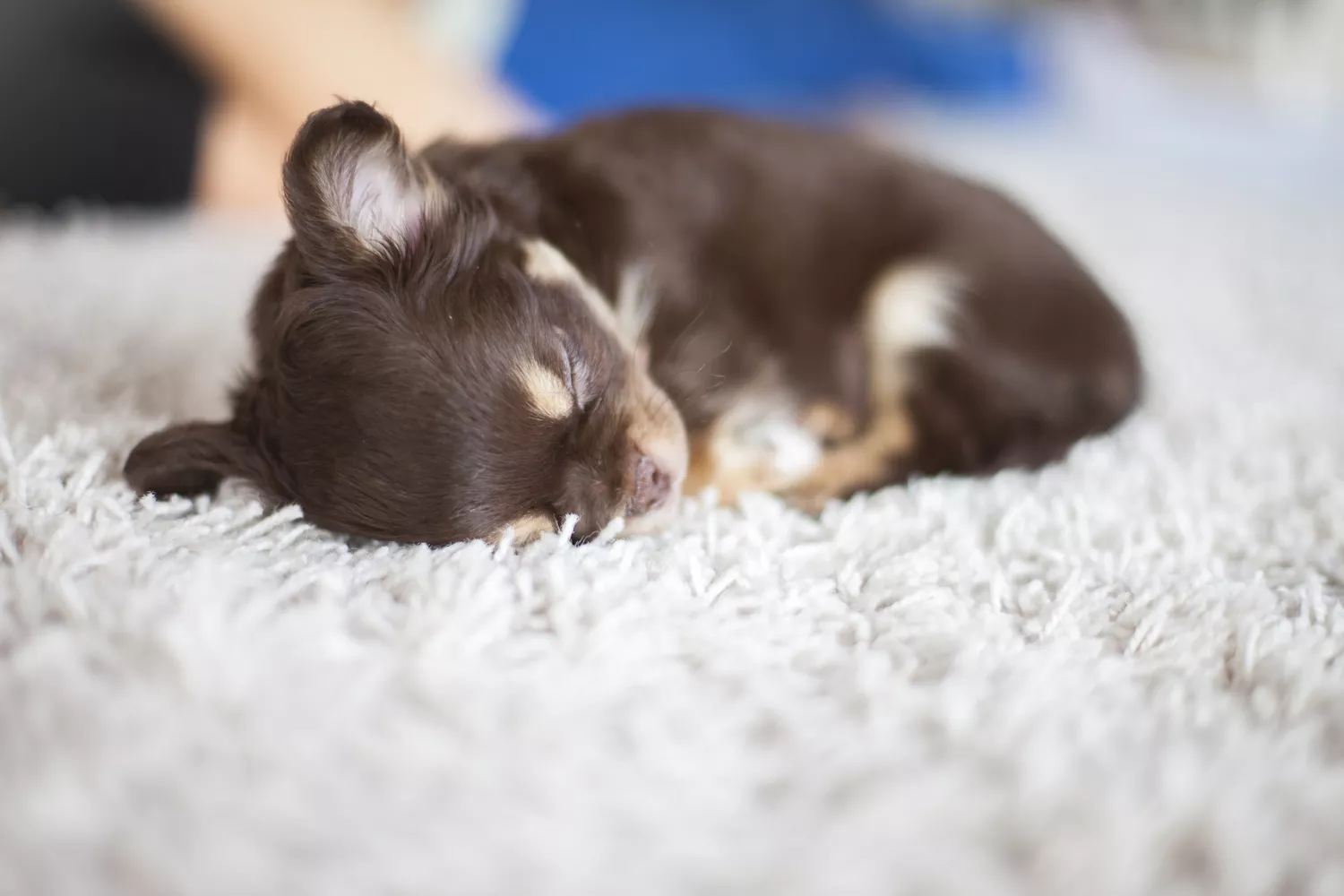
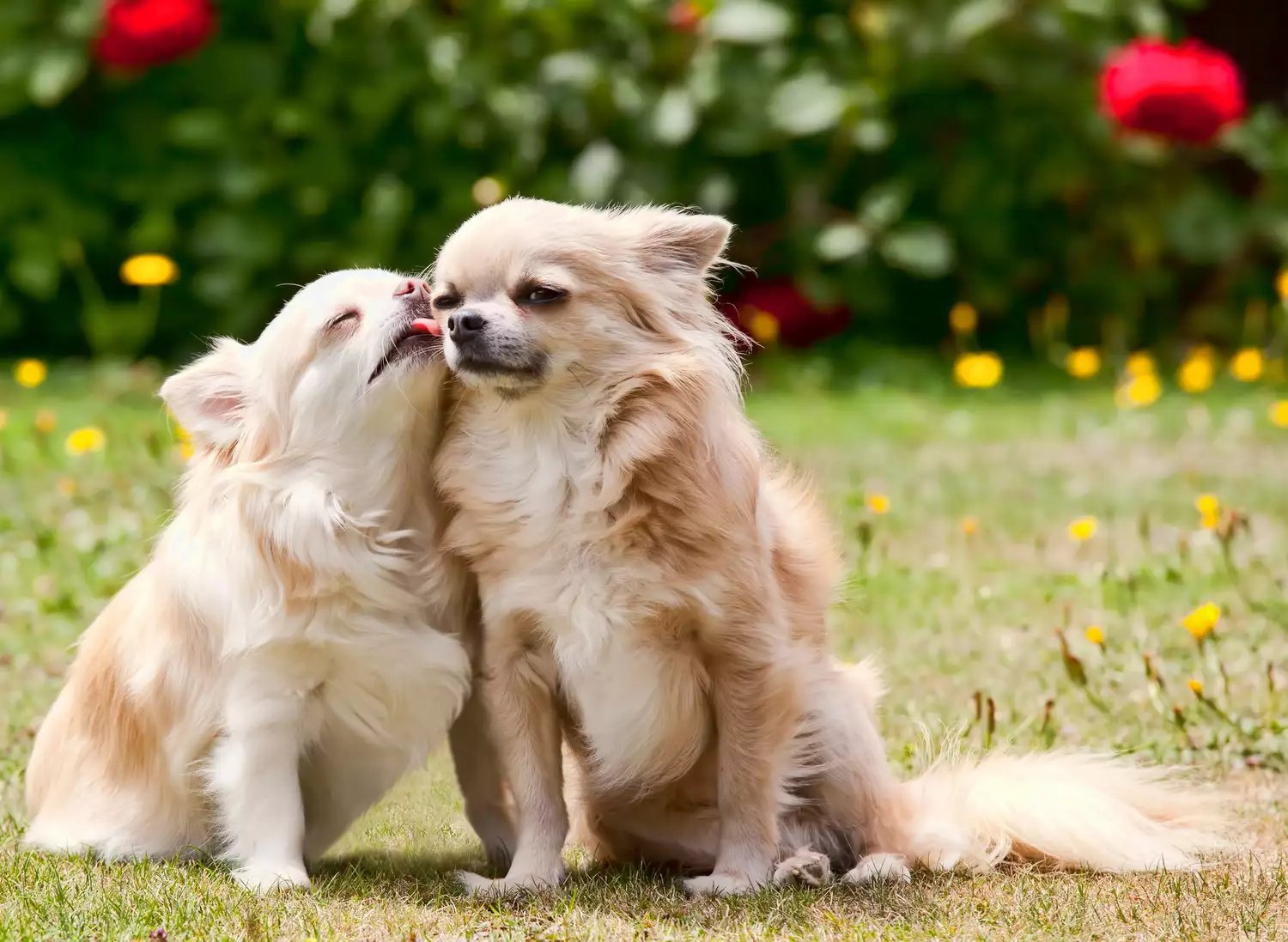
The Chihuahua's affectionate and attention-loving nature makes it a snuggly dog that enjoys being carried around and pampered. When raised and handled appropriately, the Chihuahua can be a wonderful companion for various types of families. While not all Chihuahuas naturally get along with children, they can be trained and socialized to get along with kids.

Exercise
Many people underestimate the exercise needs of smaller dogs, but regular exercise is essential for Chihuahuas. These dogs have a moderate to high energy level and may develop behavioral problems if not given sufficient activity. Exercise and mental stimulation help maintain your dog's mental and physical health—and you'll benefit as well. Remember not to overdo exercise; if your Chihuahua seems tired and overexerted, pick it up and head home.
Grooming
Smooth-coated Chihuahuas require little more than basic routine grooming due to their short hair. In contrast, long-coated Chihuahua varieties need more frequent grooming, particularly regular hair brushing. Remember to trim their nails regularly and brush their teeth as often as possible.
Training
Due to their sassy attitude, Chihuahuas require proper socialization and positive reinforcement-based training. Without adequate socialization, they can become fearful and defensive, particularly around new people or animals. Although sometimes stubborn, they are intelligent and can become well-behaved with dedication and consistency. It's also essential to teach your Chihuahua to tolerate being handled at a young age, especially for nail trims and grooming.
Common Health Problems
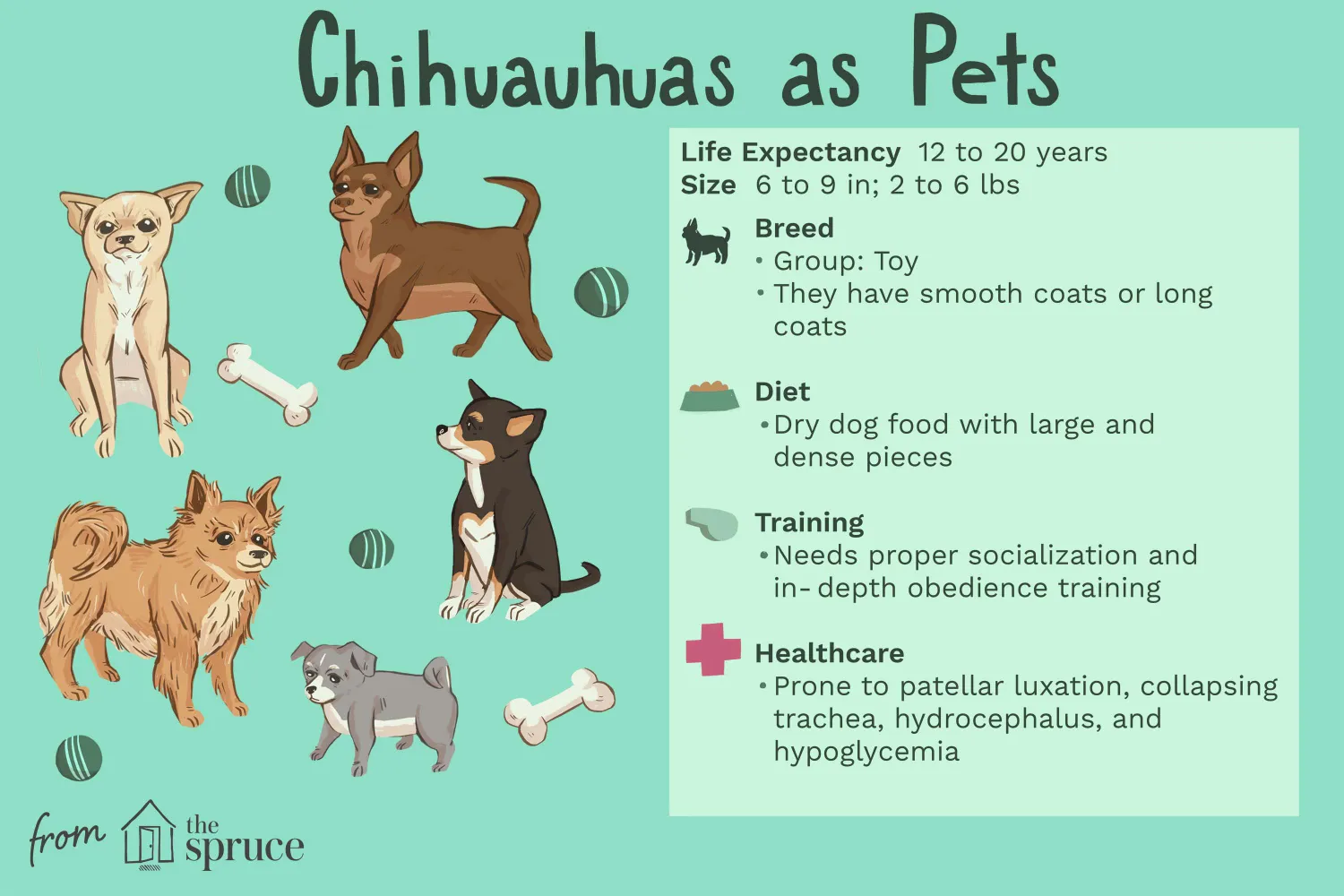
Chihuahuas are prone to some genetic health conditions, including:
Patellar Luxation: This is a dislocating kneecap, which causes the dog pain. You may notice your dog holding their foot off the ground, and their kneecap may pop back into place when the muscles relax and lengthen.
Collapsing Trachea: This is a restriction of the windpipe that is often seen in small dogs. Coughing when pressure is put on the trachea is a sign of this condition—if you notice these symptoms, you should discuss it with your veterinarian.
Hydrocephalus: This can be noted in puppies with signs of an abnormally large head as fluid accumulates.
Hypoglycemia: Low blood sugar can affect Chihuahua puppies, and they may need a sugar supplement.
Diet and Nutrition
Feed your Chihuahua a high-quality, complete, and balanced dog food. Your vet can help you determine the best food and portion sizes for your particular dog. Monitor their weight to ensure they don't become overweight, which can lead to various health issues. Always provide clean, fresh water.
The small size of a Chihuahua's jaw makes their teeth weaker, so you will need to support your pet with daily dental care, including brushing. You should provide dental chews and a diet that requires chewing, which will naturally help reduce plaque. Good dry dog food for Chihuahuas will have large and dense pieces.
Where to Adopt or Buy a Chihuahua
If you want to add a Chihuahua to your home, you can either find a reputable Chihuahua breeder or go to your local shelter or rescue organization. Work with a breeder who can provide medical records and references for their dogs, allow you to visit their facility and meet the puppy's parents. Alternatively, there are plenty of specialized Chihuahua rescue organizations around the country. Start your search with the below organizations:
Chihuahua Club of America
Chihuahua Rescue and Transport
Chihuahua Pros and Cons
Chihuahuas can be great dogs for some people, but might not be the best for families who have young children who don't know how to respectfully interact with dogs.
Pros
Cuddly
Intelligent
Small and easy to transport
Cons
Does not tolerate cold temperatures well
Can be aggressive
Not a good dog for kids
More Dog Breeds and Further Research
If you wish to share your life with an adorable Chihuahua, take the time to conduct thorough research first. Consult your veterinarian, other Chihuahua owners, reputable breeders, and rescue groups to learn more.
If you are interested in similar breeds, consider the following:
Yorkshire terrier
Dachshund
Pug



