Bugs on Dogs: Common Parasites Found on and Inside Your Canine Companion
All dogs can get parasites, which are divided into two main categories: external and internal. External parasites typically affect the skin and coat, while internal parasites live inside the body and can impact various systems, such as the gastrointestinal tract, blood vessels, heart, lungs, and brain.1
Some parasites found on dogs can also infect humans. Preventing parasitic infections is crucial to protect dogs, humans, and families. Here's information on common parasites affecting dogs in the U.S. and how to prevent them.
Fleas
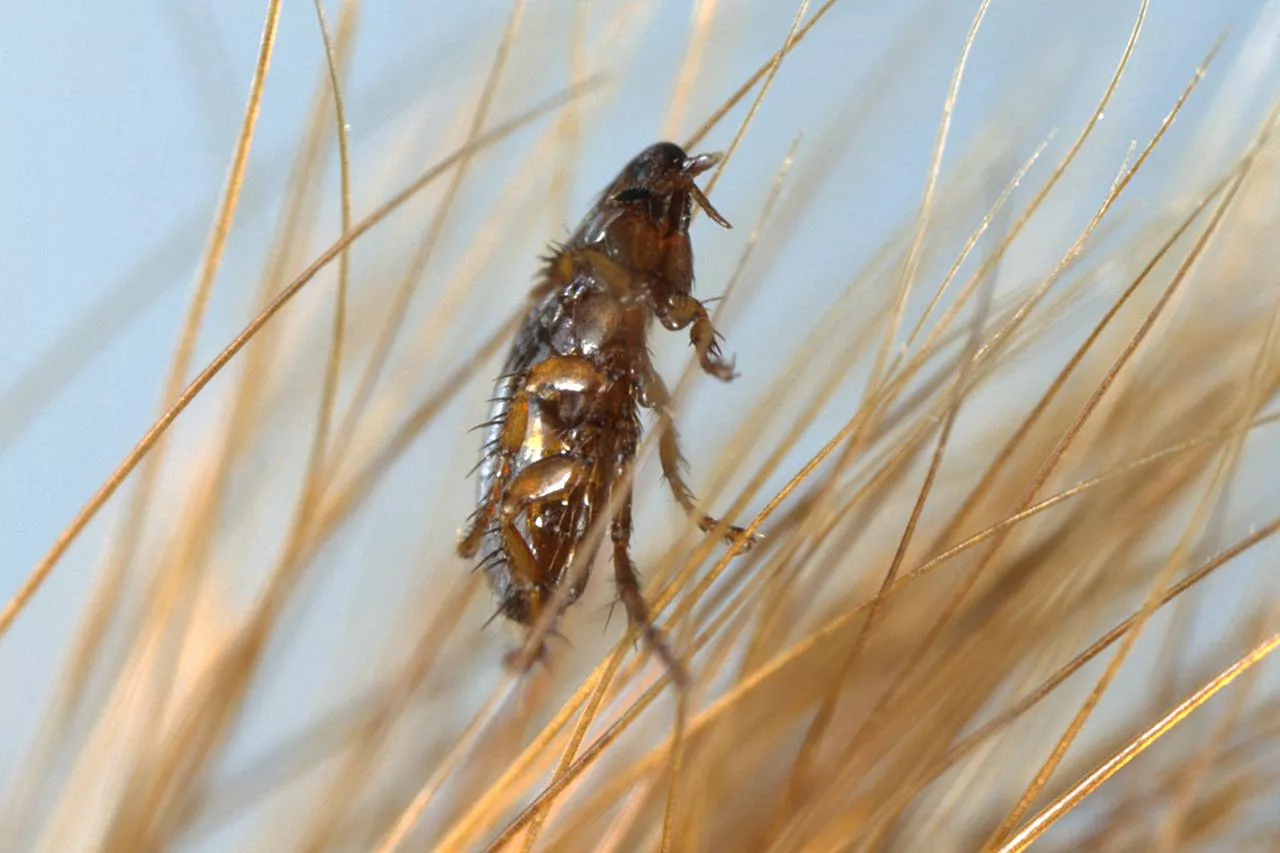
Fleas are hard-bodied, wingless insects about the size of a pencil tip. Their strong legs allow them to jump long distances. Fleas have narrow bodies that let them move through the hair of animals, using their mouthparts to suck blood from hosts like dogs and cats.
Fleas can cause dogs various issues, like itchiness, skin irritation, flea allergic dermatitis (a reaction to flea bites), anemia (low red blood cell count), and tapeworm infection. A severe flea infestation is challenging to eliminate and may require multiple steps over time. Once fleas infest a home, all pets need treatment, and the environment should be cleaned to remove flea eggs. The best prevention is keeping pets on flea medication year-round, available in topical or oral forms.
Many flea medications also prevent other parasites like ticks, heartworms, and intestinal worms. Always use medications specifically labeled for dogs, and consult your vet to ensure they're safe and suitable for your dog's lifestyle and health needs.
Ticks
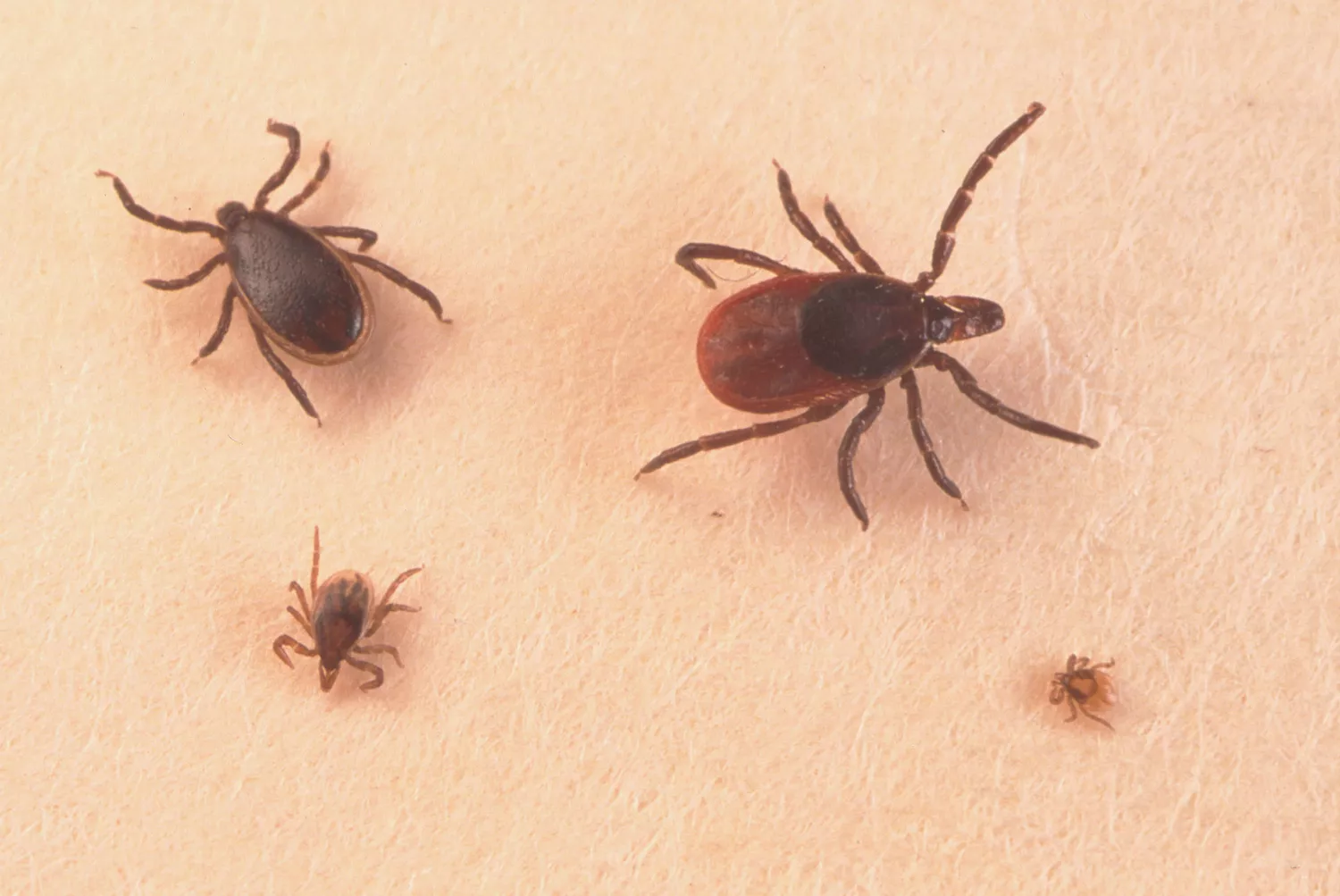
Besides fleas, ticks are another blood-sucking threat to dogs. Ticks are arthropods that feed on the blood of hosts, such as dogs, cats, and humans. They attach their mouthparts to the skin and suck blood until engorged.
Ticks are well-known vectors of some serious diseases. Lyme disease, Ehrlichiosis, and Rocky Mountain spotted fever are a few of the more common tick-borne diseases.2 They typically live in tall grass and wooded areas but can also be found in urban settings and beaches. Ticks are generally dormant below 37 degrees Fahrenheit, but vigilance is important in areas where ticks may reside.
Some medications prevent ticks from attaching to dogs and are recommended if ticks are common in your area. These are usually part of multi-parasite prevention, including fleas and heartworms. Even with medication, check your dog regularly for ticks, especially after being in tick-prone areas. Look for ticks from head to tail, including under the tail, behind the ears, and the belly. If your dog has long fur, brush it and check for bumps directly on the skin. Consult your vet on safely removing ticks.
It is very important to check your dog regularly for ticks even if they are on preventative medication, especially after spending time in areas where ticks may lurk.
Heartworms

Heartworms are internal parasites that cause serious illness in dogs. They are transmitted by mosquito bites. Once inside, the larvae move through tissues and mature into adult worms in the heart and lungs, resembling angel hair pasta and reaching 3 to 14 inches long.
Heartworm infection is a serious condition in dogs that can lead to death if left untreated.3 In addition, the treatment to rid a dog of adult heartworms is risky to the dog and can be expensive and time-consuming for you. The best approach is to use heartworm prevention to kill any immature heartworm larvae that enter your dog before they can mature into dangerous adults.4 Every dog in the U.S. should be on heartworm prevention all year long regardless of the region. Speak with your veterinarian before starting any new heartworm prevention.
Intestinal Worms
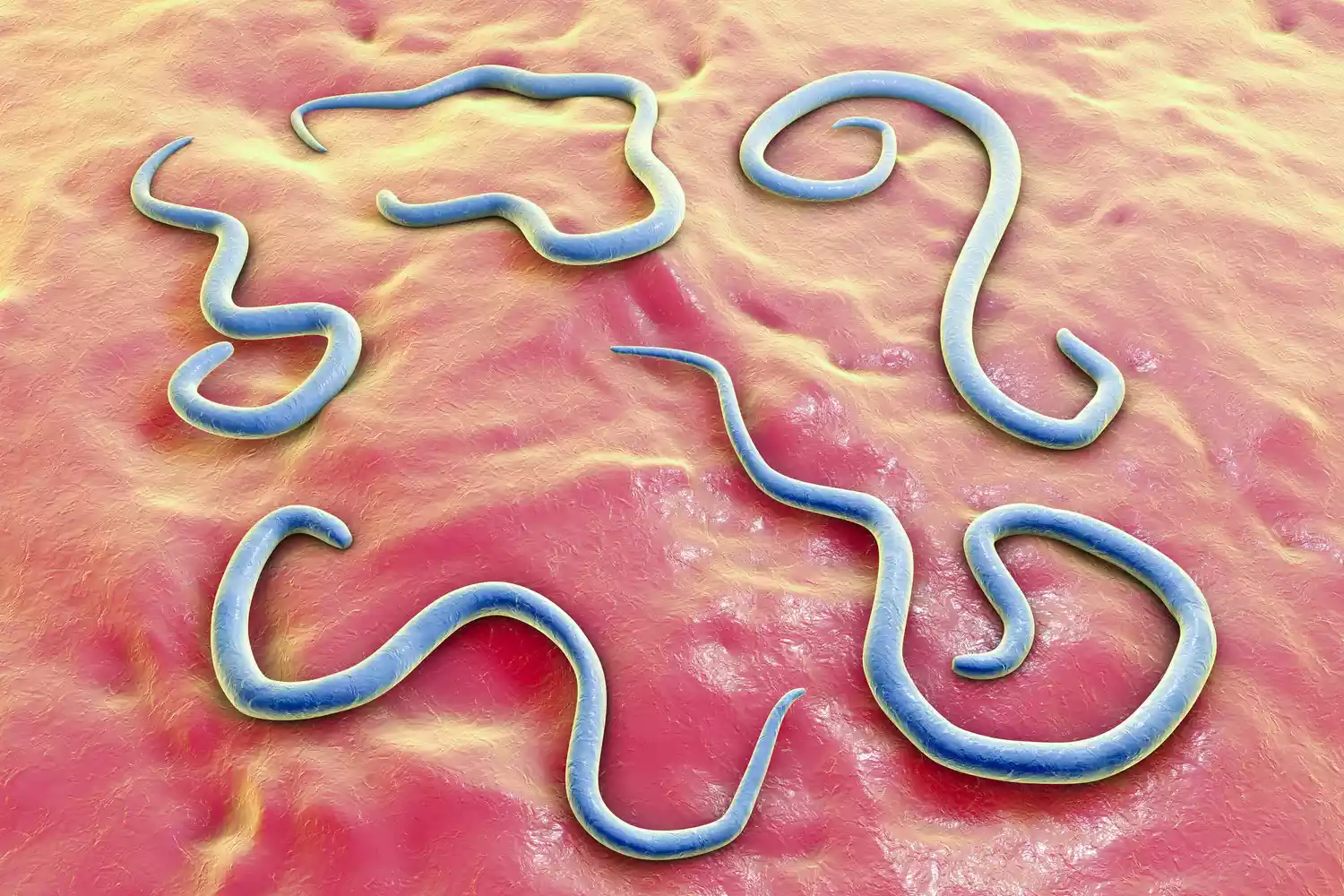
There are various intestinal parasites that your dog can pick up from his environment. The "big four" are roundworms, hookworms, whipworms, and tapeworms. Tapeworms may be transmitted through fleas and ingesting animal carcasses. Roundworms, hookworms, and whipworms are typically contracted after contact with contaminated soil or feces. Some may also be passed on from a mother dog to her puppies.5
Intestinal parasites may cause a variety of symptoms. The most common signs are diarrhea, vomiting, lethargy, and weight loss.6 However, a dog with intestinal parasites may show no signs at all. Some of these intestinal parasites can infect humans, too.1
Protect your dog, yourself, and your family by following your veterinarian's recommendations for routine screening and prevention. Try to avoid walking your dogs or letting them play in areas where there may be a lot of other animal feces, including wildlife droppings, and avoid letting them scavenge around trash or animal carcasses. It is also a good idea to bring a fecal sample in for parasite testing any time your dog goes to the vet for treatment of diarrhea.
Mites (Mange)
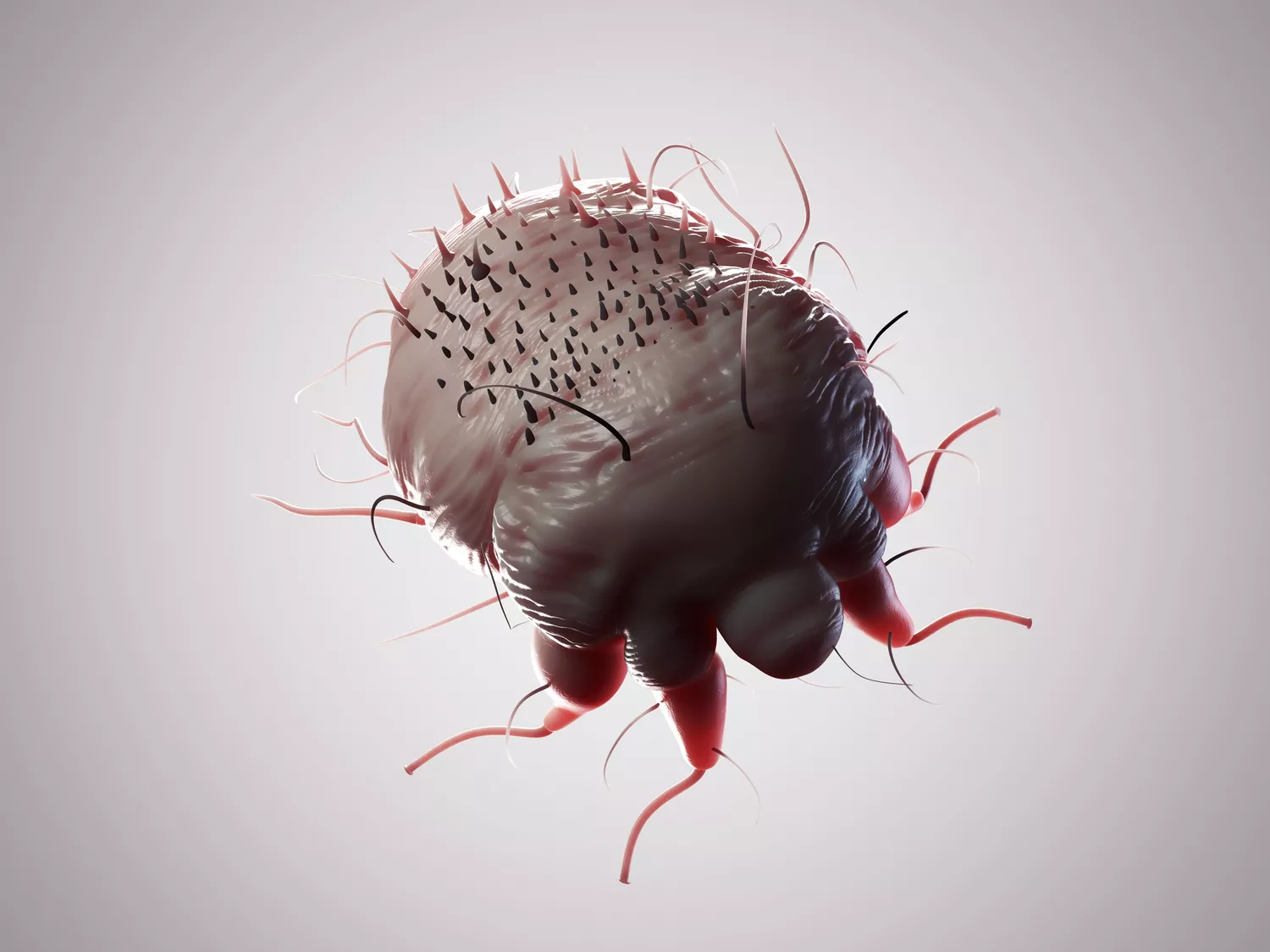
There are a few types of skin mites that affect dogs. The most common are Demodex and scabies. Both can cause skin irritation and hair loss.
Demodex
Demodectic mange is caused by Demodex mites that live on the skin in the hair follicles and oil glands of a host (often a dog or cat). Small numbers of mites can normally live on dogs without causing problems because the immune system keeps the population under control.7 However, when Demodex mites can multiply unchecked, they can cause either localized or generalized areas of hair loss and scaly, thickened skin. This is called Demodicosis and is more common in puppies and dogs with compromised immune systems. Demodicosis may resolve on its own in young dogs with only small areas of their skin affected; however, if large areas of the skin are affected, it is usually treated with prescription medication (oral and/or topical) and can take weeks to months to resolve.
Scabies
Sarcoptic mange, also called Scabies, is a contagious mite that burrows into the skin. These mites cause intense itching, hair loss, and scabs on the skin. Scabies can be difficult to find microscopically so the diagnosis is usually based on clinical signs and history of exposure. Treatment is lengthy and often requires a combination of oral medications and, in some cases, special medicated baths. Scabies is contagious to both pets and humans.8 Fortunately, Sarcoptic mange is less common than Demodicosis.



