Home Remedies for Dog Red Eyes: Relief for Itchy Eyes
Eye problems in dogs are usually apparent to owners. Affected dogs may rub their eyes, drag their faces on the ground, wink, or keep one or both eyes closed. Their eyes might look red, crusty, or watery.
Many owners are uncertain about safe home treatments. Some products can cause serious or permanent eye damage or interfere with other medications. It’s crucial to manage eye conditions at home carefully while awaiting a vet visit.
What Is ‘Pink Eye’ in Dogs?
Pink eye is the common name used in human medicine for conjunctivitis and can occur in dogs when the tissue that covers the surface of the eye, called the conjunctiva, becomes inflamed.
Red, itchy eyes can occur because of conjunctivitis and/or many other eye diseases. Conjunctivitis may be caused by an infection (viral, bacterial, or even parasitic), allergies, or foreign material irritating the surface of the eye. In all cases, a dog showing signs of an eye problem needs to be seen by a veterinarian because eyes are so delicate that even minor problems can snowball into serious problems quickly.
Depending on the diagnosis, your vet may treat the issue with antibiotics, steroids, anti-inflammatories, antihistamines, or many other medications. There are a few safe and effective measures you can take at home to keep your dog comfortable while you wait for your appointment.
01 of 04
Saline Eye Drops
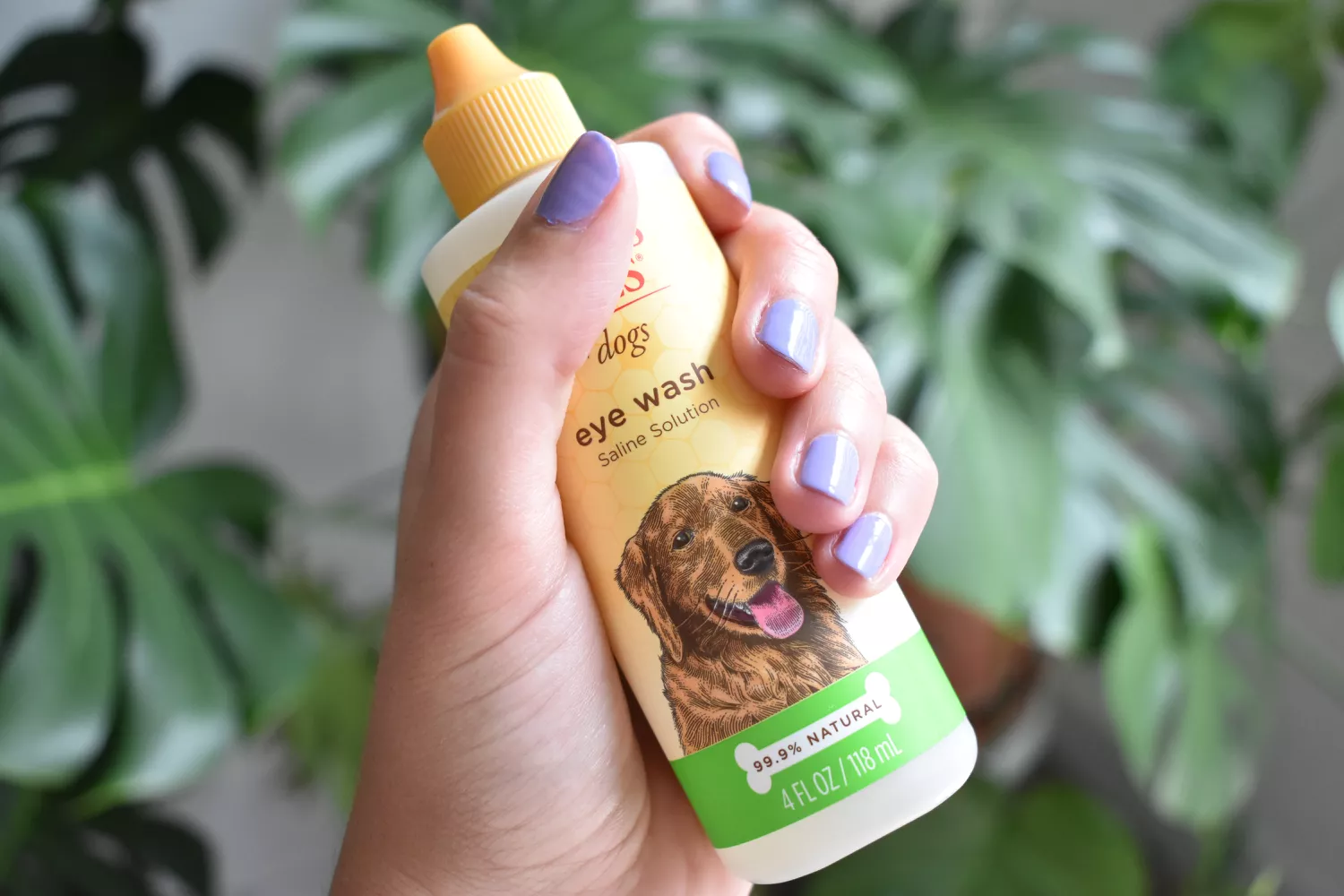
Saline eye drops can be used to safely flush any irritants out of a dog’s eye. These drops won’t hurt and may provide some temporary relief to your dog’s inflamed eye.
Saline eye drops can be purchased from a pharmacy, online, or from a pet store and should be gently squirted directly into your dog’s eye. They are not the same as contact lens solutions. Contact lens solutions for humans have added ingredients and should never be used in a dog’s eye as they can be harmful. Always be sure to keep the tip of the medication a small distance away from the surface of the eye to avoid scratches to the delicate eye tissues.
02 of 04
E-Collar
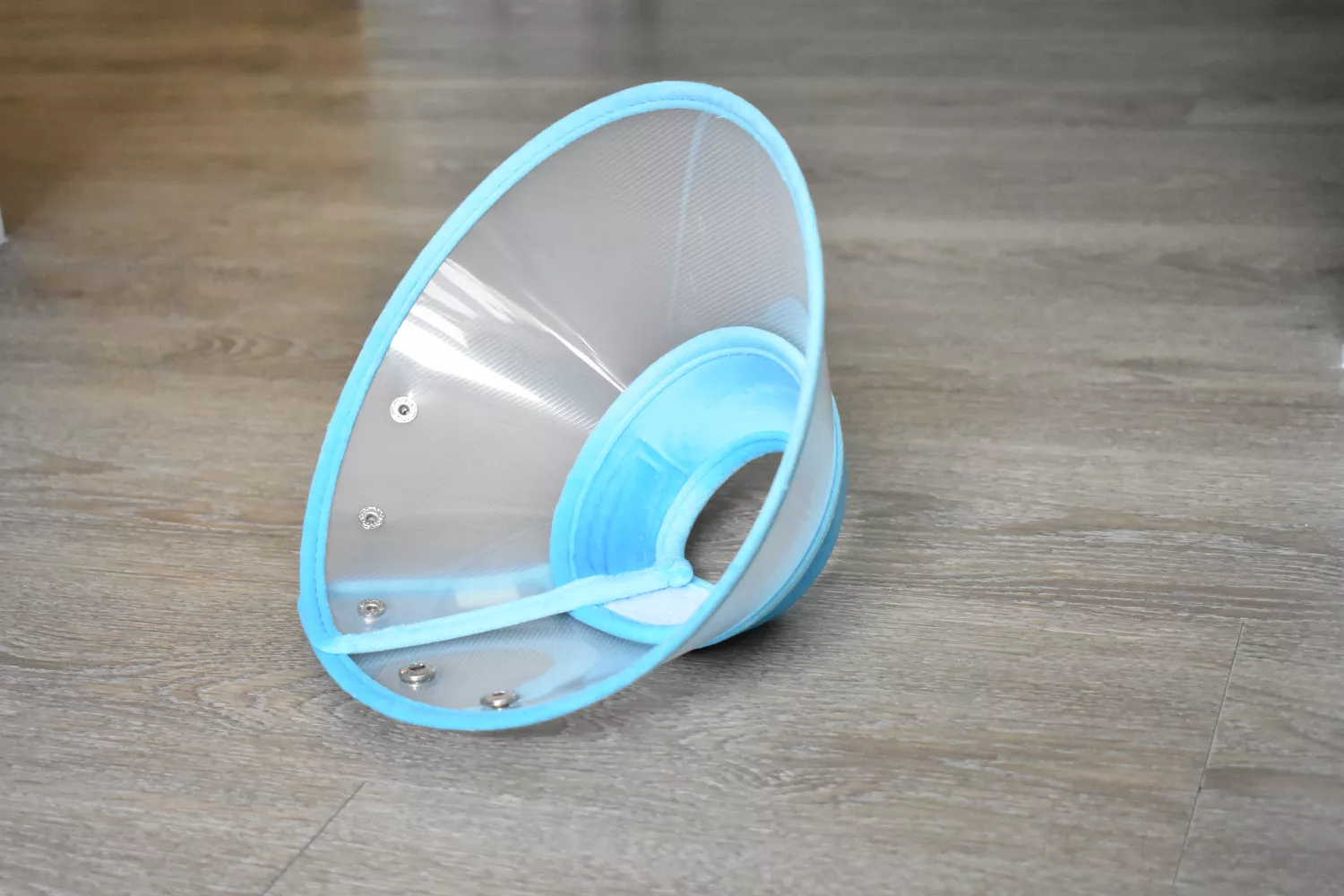
While putting an e-collar on a dog with eye disease does not directly treat the problem, it does help to prevent any further damage to the eye. Dogs with itchy or painful eyes often rub the eye with a paw or on the ground and can scratch it or irritate it further. An e-collar will prevent this trauma while you wait for treatment.
E-collars can be purchased from pet stores, online, or from your veterinarian and should be big enough so that your dog can’t scratch its face or rub its eye on the floor or furniture. The basic rule of thumb is that an e-collar should reach 2 inches past the nose of your dog when put around its neck like a lampshade.
03 of 04
Cold Compress
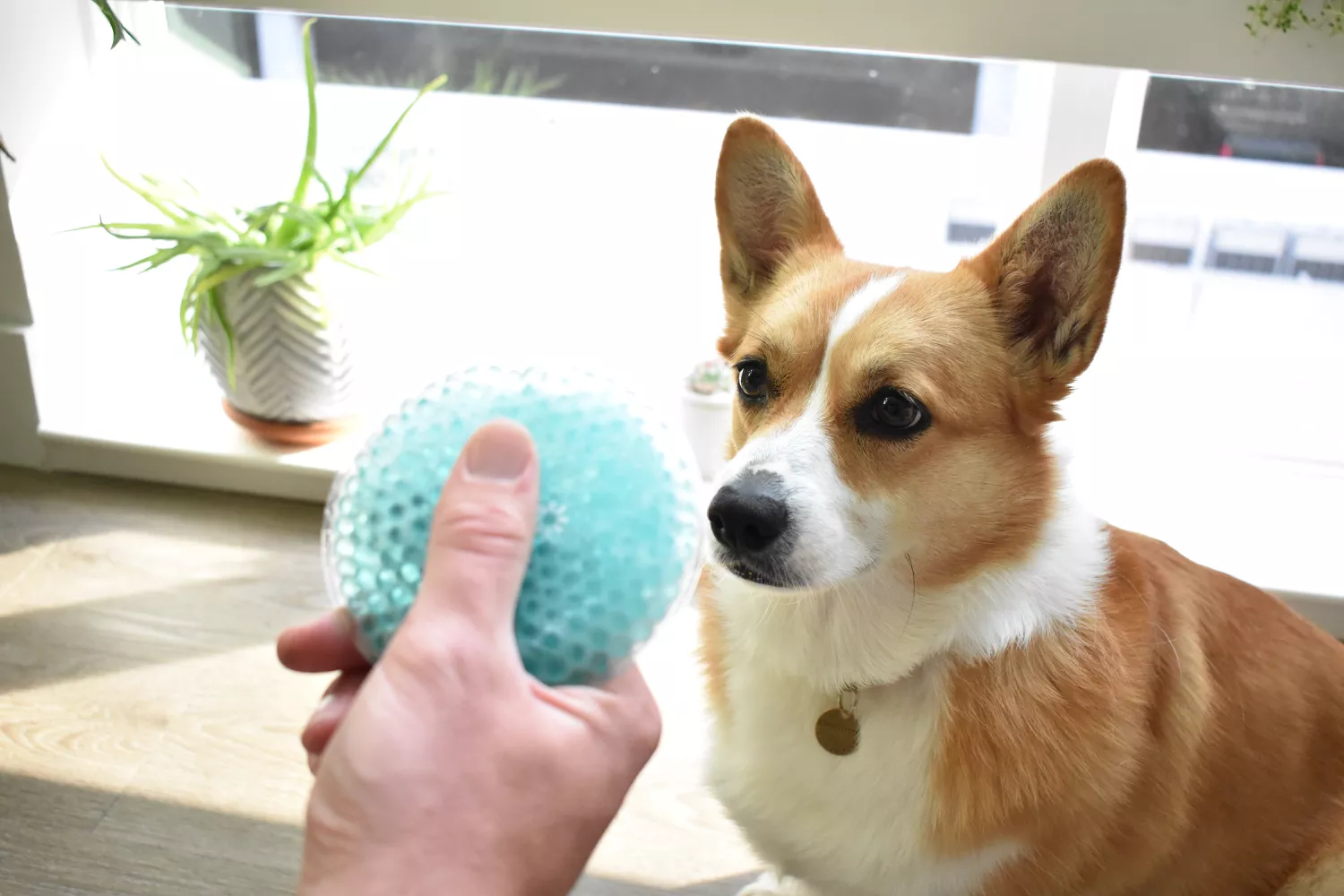
A cold compress can often provide relief from inflammation. For dogs with a red, itchy eye a cold, wet washcloth is usually the easiest and most comfortable way to apply a compress to the eye. Soft, cold compresses (not frozen, hard ice packs) can also be purchased online and from pharmacies.
The compress can be applied to the closed eye for several minutes, several times a day to help decrease swelling and inflammation. A cold compress will not treat the underlying disease, but it will help your dog feel a little more comfortable.
04 of 04
Artificial Tears
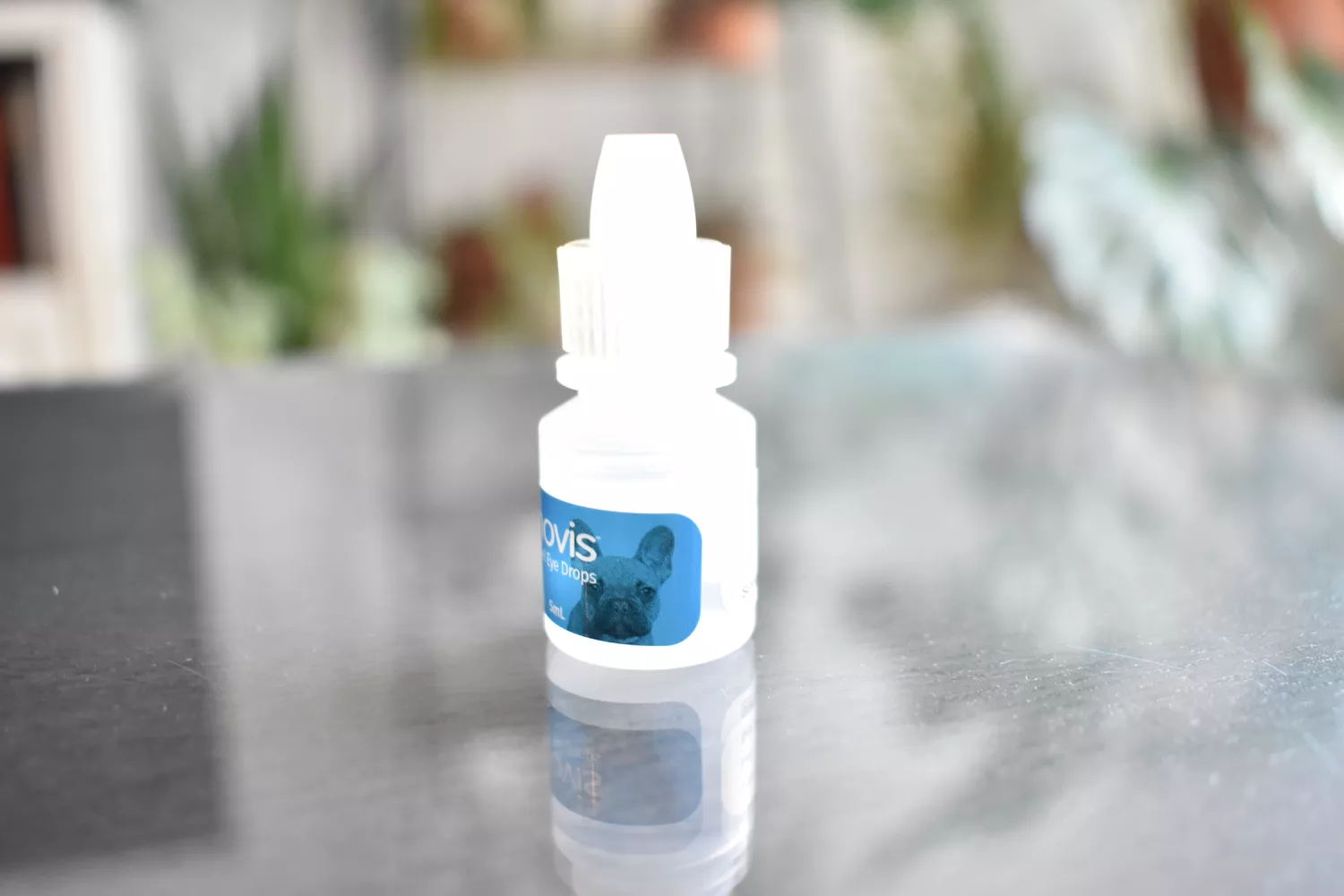
Different than simple saline eye drops, artificial tears have a lubricant in them that is safe for the eyes. If your dog’s eyes are dry and irritated, artificial tears may help to provide additional moisture. These can be applied a few times a day; however, they do not contain medications to treat the underlying problem.
Artificial tears come in either an eye drop or an ointment and are commonly used in dogs diagnosed with dry eye. Since they are not used to flush an eye but are instead designed to stay in the eye, only a small amount is needed so a small bottle or tube will go a long way.
When to See a Vet
Home remedies can be a great adjunct therapy for your dog’s eye problems, but eye disease requires medicated treatment and must be diagnosed and treated by a veterinarian.
Contact your veterinarian promptly when you first notice signs of an eye problem. Early professional intervention ensures your dog receives appropriate treatment and prevents symptoms from worsening.



