Atopic Dermatitis in Dogs
Atopic dermatitis in dogs is a common genetic inflammatory skin condition that causes itching and irritation and can lead to secondary skin infections. It may be confused with other skin problems, so knowing the signs of this chronic condition can help you get your dog relief and potentially avoid what contributes to the problem.
Here's what pet parents need to know about atopic dermatitis in dogs.
What Is Atopic Dermatitis in Dogs?
Canine atopic dermatitis, or CAD, is a common genetic skin disorder that causes itchy, inflamed skin. Also called canine atopy, this skin problem occurs due to a hypersensitivity reaction that may or may not be triggered by specific allergens. Dogs lick and scratch the skin, creating a cycle of skin trauma, discomfort, and inflammation, which can lead to infection as well.
CAD is just one type of dermatitis dogs may experience, and while the genetic disorder can't always be prevented, treatment should help your dog heal.
Symptoms of Atopic Dermatitis in Dogs
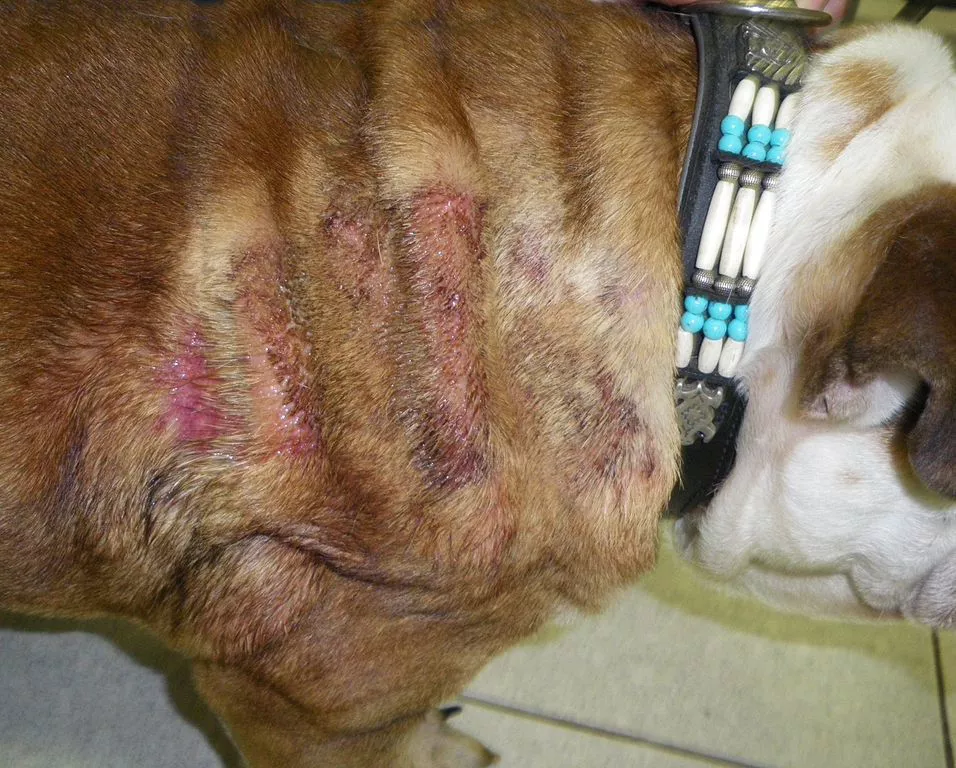
CAD typically causes itching, redness, and lesions on the dog's skin. It's often a chronic condition and can occur year-round, seasonally, or situationally depending on the underlying cause of the problem. The symptoms of CAD in dogs can vary in appearance and severity.
Itchy Skin
Itchy, red skin is the most common symptom of dermatitis in dogs. Some dogs with CAD may scratch at their head, ears, or sides, so owners often notice collars jingling while trying to sleep. Itchy dogs might also lick their paws obsessively, scoot their hind end on the floor, or rub their faces on the furniture and floors.
Hot Spots
You may notice hot spots on your dog, also known as acute moist dermatitis. These are wet, itchy sores that often occur on a dog's face or flanks. They start as an itch or irritation that then is exacerbated by your dog scratching and/or licking at it until the skin becomes damaged, moist and/or infected.
Hair Loss
Hair loss can be symptomatic of many skin problems. Any conditions that damage the hair follicles or cause itchiness and result in dogs self-traumatizing their skin by biting, licking and/or scratching. These behaviors can lead to eventual hair loss.
Foul Odor
Dogs with skin infections may develop a bad odor. This odor could be a symptom of a yeast and/or bacterial infection. When a dog's skin is inflamed and has other damage to its natural barriers such as scratches, it becomes more vulnerable to infection and is less effective at fighting those infections once they settle in.
Causes of Atopic Dermatitis in Dogs
CAD is a genetic skin disorder caused by an extreme immune system response. In a normal dog, the outer layer of the skin (epidermis) acts as a barrier against potentially harmful germs and irritants. However, atopic dogs have a defective epidermis, weakening that barrier, and allowing some substances to penetrate the skin.1 Common culprits include pollen, mold, grasses, dust mites, and fleas. However, any substance can cause an allergy.
Atopy is considered an inherited condition, and certain dog breeds are predisposed. An exact genetic cause has yet to be discovered, but many genes have been identified as possibly playing a role.1
How Vets Diagnose Atopic Dermatitis in Dogs
To diagnose atopic dermatitis, your veterinarian will perform a complete physical examination and discuss your dog's full medical history. Next, they'll likely recommend diagnostic tests to learn more, which may include:
Skin scrape and/or cytology to look for mites, bacteria, and yeast.
Flea comb to look for black flea dirt or live fleas, especially if the dog is not on a flea control product.
Skin biopsy (in some cases)
If the vet suspects environmental allergens, they may recommend allergy testing. This may involve drawing a blood sample and/or conducting a specialized skin test.
How to Treat Atopic Dermatitis in Dogs
The treatment for atopic dermatitis will depend on the severity of the symptoms. In many cases, the veterinarian will take a multi-faceted approach. Treatment aims to control itching and inflammation, treat secondary problems, and prevent exposure to allergens (when possible).
Medications
Your veterinarian may recommend a medication to reduce itching and inflammation, such as antihistamines, steroids, anti-inflammatories, Apoquel, or Cytopoint. Some dogs need antibiotics or antifungals to treat secondary infections. Topical treatments, such as medicated baths, sprays, wipes, or mousses may also be prescribed.
Controlling Allergens
You can't remove all allergens from your dog's environment, but you can take steps to minimize your dog's exposure. Routine bathing and brushing can reduce microscopic allergens on your dog's skin and coat. Vacuum and dust regularly and wash bedding frequently with hypoallergenic detergent.
Because fleas often cause or exacerbate atopic dermatitis, keep your dog on an effective flea control product recommended by your vet. It can be difficult to eradicate fleas in a home due to the hardy pupal stage of the flea. A vet may recommend regular cleaning and long-lasting treatments.
Immunotherapy
Allergen-specific immunotherapy is often effective for environmental allergies. This first necessitates allergy testing to determine specific allergens, and then a special injectable serum is developed. Allergy shots are given over time in increasing amounts, which gradually desensitize the dog's immune system.
Prognosis for Dogs With Atopic Dermatitis
The prognosis for dogs with atopic dermatitis varies greatly depending on the severity and cause of the dog's allergic reaction. Atopic dermatitis rarely resolves itself without treatment.
Keep a close eye on your dog's symptoms and ensure your healing dog doesn't relapse. The discomfort caused by untreated dermatitis can alter a dog's personality and lead to anxiety or loss of confidence.
How to Prevent Atopic Dermatitis
Many dogs are predisposed to developing atopic dermatitis based on their breed, so it isn't always preventable. In a study of Labradors and Golden Retrievers, 65% of the puppies were born with dermatitis if both parents also had atopic dermatitis, and 21-57% were born with it if only one parent had it.2 Dogs with atopic dermatitis should not be bred.
Avoiding allergens will help decrease the prevalence and severity of atopic dermatitis. Supplements containing omega-3 fatty acids, beta-glucan, hardy kiwi, ceramides, palmitoylethanolamide (PEA), and other ingredients to support skin health can benefit your dog. Regular bathing and foot baths can be helpful as well.
Finally, regular use of flea preventatives will help prevent flea allergy dermatitis.
Dog Breeds At Risk of Atopic Dermatitis
Some breeds are more likely to develop dermatitis than others. Female dogs may have a slightly higher risk than males, but any dog can develop atopic dermatitis.
Shar-pei
Terrier breeds
Spaniel breeds
Pit bull breeds
German shepherd
Bulldog
Golden retriever
Labrador retriever
Boxer
Pug
Shih tzu
French bulldog3



