Home Remedies for Dog Swollen Face: Causes and Treatments
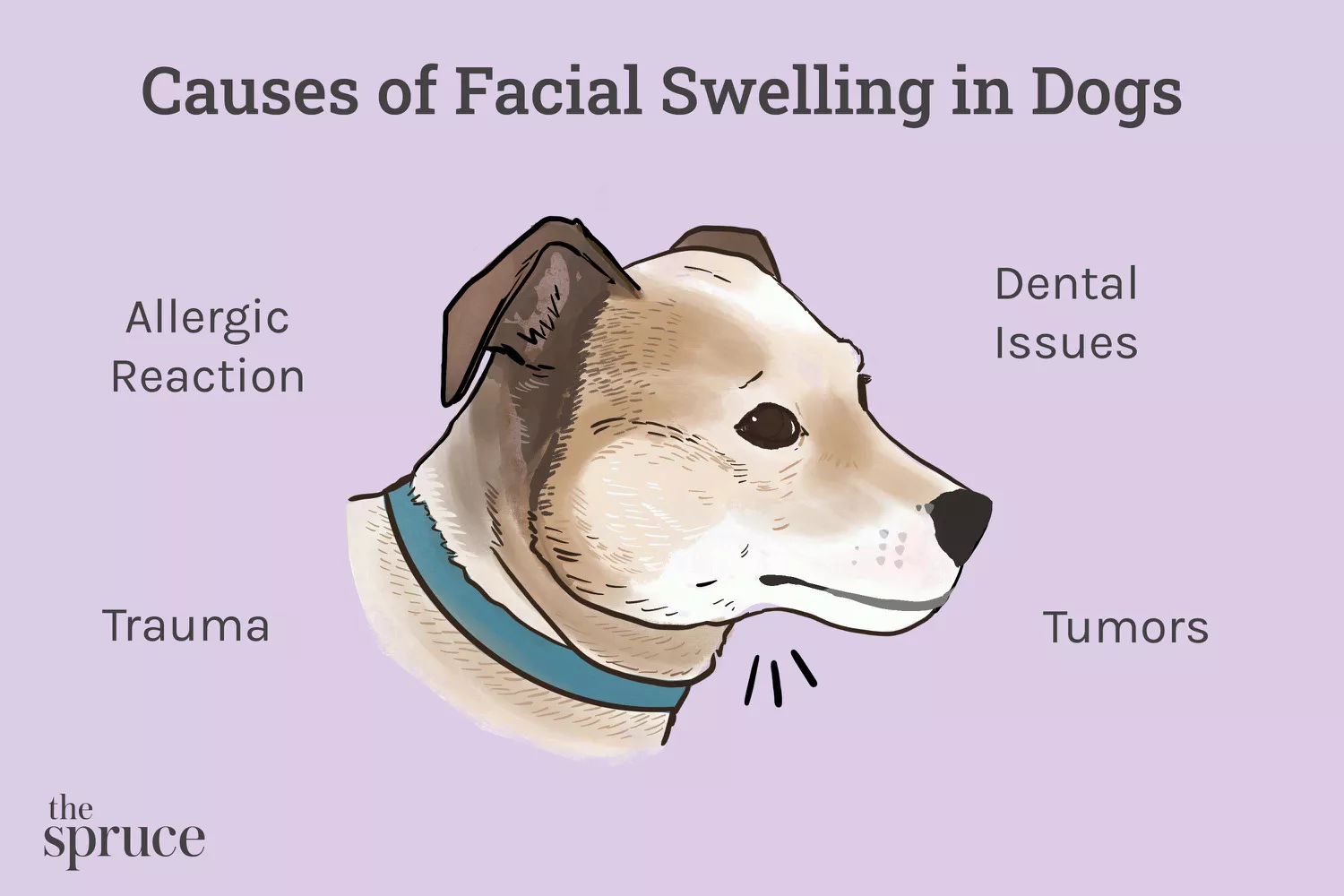
A dog's swollen face usually indicates an underlying issue. This can include an allergic reaction, a dental problem, an injury, or a tumor.
Sudden facial swelling in dogs often results from an allergic reaction. Slowly developing swelling might indicate a facial growth or tumor.
Although some facial swelling may not be serious, it usually requires medical attention to accurately determine the cause and appropriate treatment.
What Causes a Dog to Have a Swollen Face?
There are many possible reasons for a dog's swollen face. Since facial swelling is a symptom of an underlying issue, dogs often display other signs of illness, such as lethargy and loss of appetite.
Allergic Reaction
When a dog's face suddenly swells, it's often due to an allergic reaction. Possible causes of these reactions include bug bites, bee stings, vaccinations, medications, certain foods, toxin exposure, pollen, and other environmental allergens.
Allergic reactions trigger inflammation in the body, causing hives and swelling, especially on the face. You might notice swelling around the muzzle and eyelids, reddened skin, and that your dog seems itchy and irritated.
Some allergic reactions worsen quickly, causing vomiting, diarrhea, pale gums, weakness, or collapse. While mild reactions may improve with minimal intervention, severe reactions are emergencies requiring immediate medical attention.
Dental Issues
Facial swelling may be related to a problem with the teeth or mouth. Tooth abscesses and other dental infections can go deep beneath the gums and cause a pocket to fill with pus. This usually causes a dog's face to become swollen, especially beneath the eye. Broken teeth, oral injuries, and periodontal disease may also make a dog's face swell.
Trauma
An injury to the face, head, or skin can lead to facial swelling. Common injuries like animal bites and other wounds can lead to infections that cause swelling. Snake bites often cause swelling of the face and muzzle, locations where curious dogs are commonly bitten.
Tumors
Abnormal growths can occur on the face and head. Sometimes tumors can cause pain and pressure buildup. Whether they are benign or malignant, facial tumors may spread and grow, causing damage to the facial nerves, muscles, and bones.
Cysts are fluid-filled growths that are often benign. However, they can become quite large and visible, especially on the face.
Treatment of Facial Swelling in Dogs
The proper treatment for dogs with a swollen face usually depends on the cause. Before proceeding with treatment, it's important to contact your vet for advice.
Extreme allergic reactions can have effects that extend beyond facial swelling and hives. Severe allergic reactions or anaphylactic reactions can cause sudden vomiting, diarrhea, collapse, or breathing changes. This is an emergency situation; get to the nearest open veterinarian immediately.
Mild to moderate allergic reactions may be treatable at home using medication. A reaction is considered mild to moderate if your dog is breathing normally and acting relatively normal (no more than slightly lethargic). In these cases, your vet may recommend giving an over-the-counter antihistamine. If your dog's face is swollen for some other reason (or unknown reasons), the next step is to bring your dog to the vet for an exam. Your vet will recommend treatment based on the diagnosis.
Facial swelling due to dental or oral problems may require professional dental work. The dog is often treated first with antibiotics and pain medication before coming in for anesthesia and a full dental cleaning and examination. Dental x-rays may be done while your dog is under anesthesia to evaluate the roots of the teeth. Depending on the cause, the vet may need to extract teeth or perform another kind of oral surgery. Your dog may be sent home with antibiotics to treat or prevent infection.
If trauma has occurred to the face or head, treatment depends on the nature and severity of the injury. X-rays may be necessary to help determine the severity. Begin by providing any first aid that is necessary, then get to the vet right away. Treatment may involve antibiotics, pain control, and supportive care. Serious injuries may require surgery. Snake bites are treated with supportive care and sometimes antivenin (if available and deemed necessary).
If your vet suspects a tumor and/or cancer, further testing will be needed to learn more. Your vet may recommend blood tests, x-rays, and testing of the tumor itself (usually a fine needle aspirate or biopsy is sent to a pathologist for microscopic analysis). Treatment depends on the diagnosis. Cancer may need to be treated with chemotherapy, radiation, and/or surgery.
How to Prevent Facial Swelling in Dogs
If you know your dog has allergies, try to minimize exposure to allergens. If approved by your vet, use antihistamines as prevention. If your dog is known to have vaccine reactions, make sure your vet knows so your dog can be treated in advance, minimizing the reaction. If you see that your dog has been bitten by a bug, stung by a bee, or otherwise exposed to an allergen, treat right away with an antihistamine (ask your vet for advice on this).
You can easily prevent most dental issues by taking good care of your dog's teeth. Begin a dental care routine for your dog and stick to it. Your dog will be much less likely to develop a dental problem and you will be more likely to catch issues early on.
Trauma cannot always be prevented, but you can take steps to keep your dog safe in general. Do not let your dog roam free or play off-leash in non-fenced areas. Supervise interactions with other animals so you can prevent fights. Bring your dog to the vet right away if any kind of trauma occurs.
Tumors and cancer cannot really be prevented. However, early action can minimize the damage done. If you notice your dog has a swollen face, it's important to act right away.



