11 Cute Pictures of Ragdoll Cats
Ragdoll cats are probably best known for their silky, white-colored fur and bright, blue eyes, but there's much more to these gorgeous kitties than their good looks.
Often referred to as "lap cats," Ragdolls have super sweet, friendly personalities that make them a favorite among families and cat fanciers alike. Some Ragdoll owners even describe them as "dog-like" because they're so playful, affectionate, and cuddly.
Whether you're already a Ragdoll cat parent or are considering adding a Ragdoll to the family, you'll love these fun facts (and cute photos) of one of the world's sweetest cat breeds.
01 of 10
Ragdoll Isn't a Very Old Breed
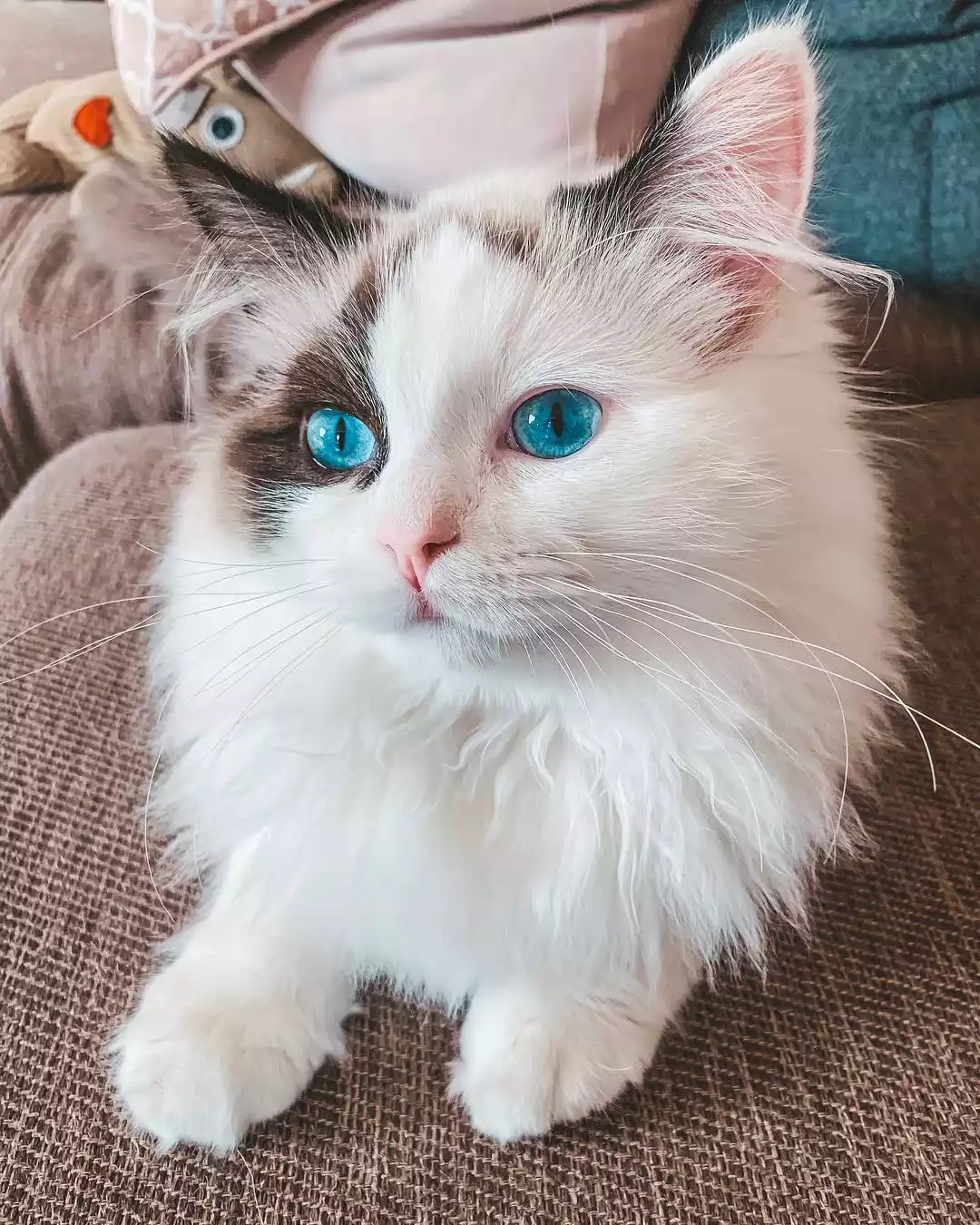
Unlike many cat breeds—we're looking at you, Maine Coons and Persians—Ragdoll is a relatively new breed. In fact, the entire breed is less than 100 years old.
So, how did Ragdolls get their start? There's some mystery around the breeds that were originally combined to create Ragdolls, but it's widely accepted that they were first bred by a woman named Ann Baker sometime in the 1960s. Baker bred a white, long-haired female with another long-haired kitty to create the first litter of Ragdolls. From there, she bred selectively for their friendly demeanor and silky fur coat.
Because many Ragdolls have color-pointed coats—similar to Siamese cats—it is widely believed that one of the ancestors of the Ragdoll may have been a Burmese or Siamese cat, or perhaps a cat with similar markings.
02 of 10
Their Coats Can Vary Greatly
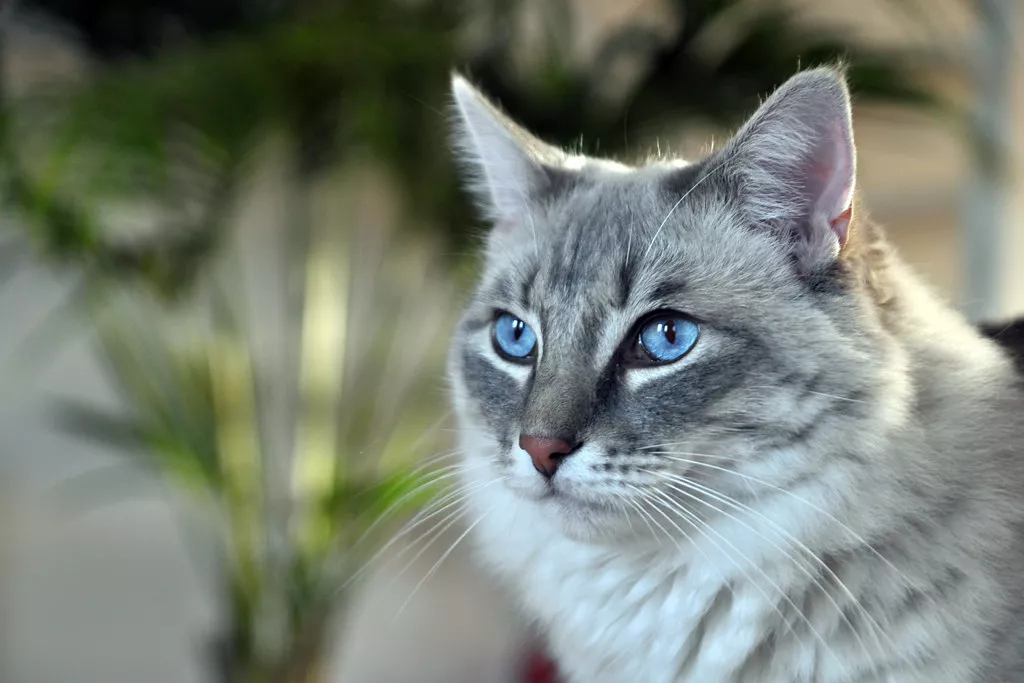
Although long, white, silky coats are one of the best-known characteristics of Ragdolls, their fur can actually come in a variety of light shades. Some common Ragdoll highlights (colored points, like a Siamese cat) include blue, lilac, cream, tortoiseshell, and even red or orange.
03 of 10
Heat Can Determine a Ragdoll's Coat Color
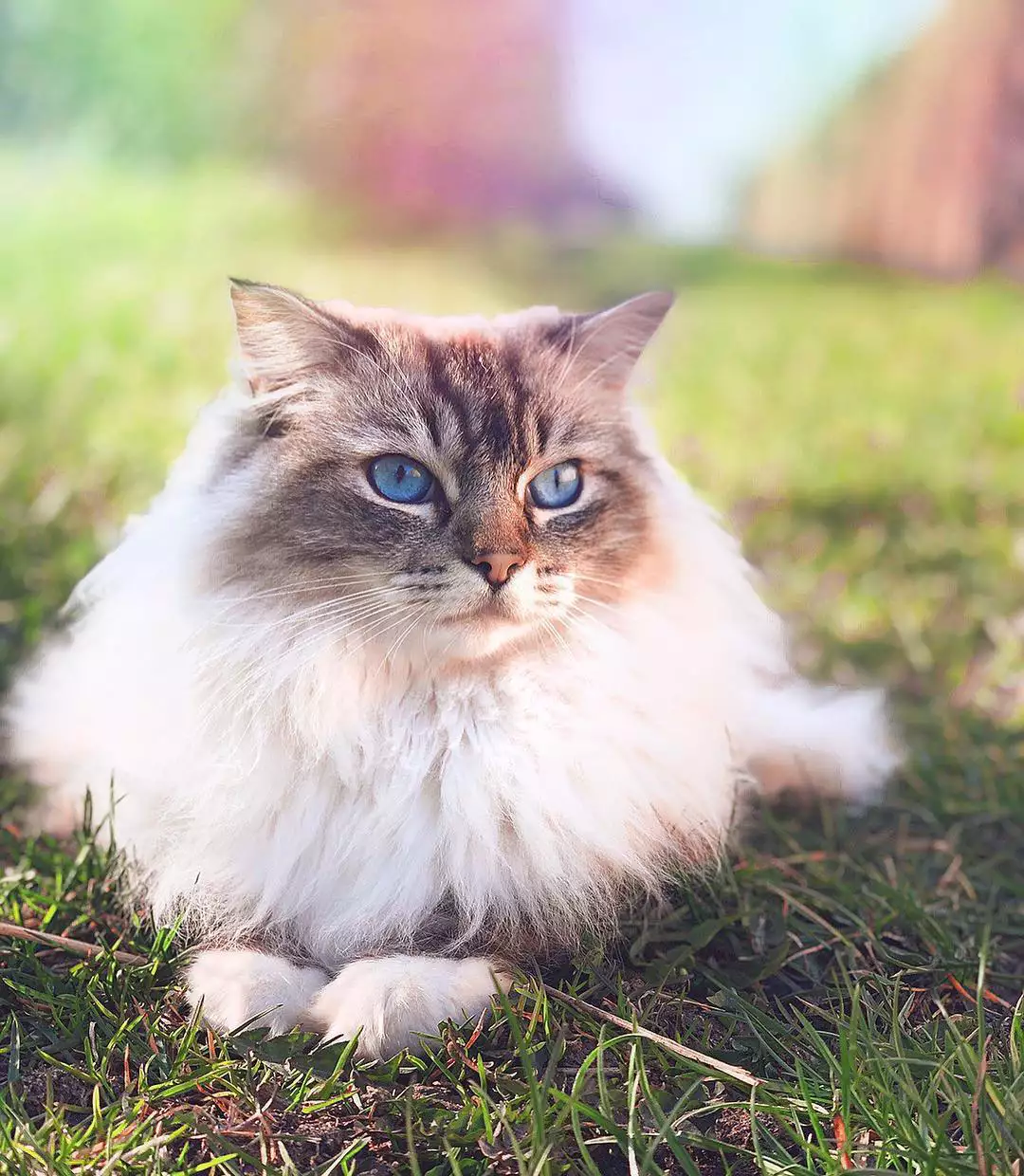
It's not just genetics that contributes to a Ragdoll's coat color.
The color of a cat's coat is determined by specific genes, while its coat patterns are influenced by modifier genes. Similar to Siamese cats, Ragdolls possess a special modifier gene responsible for preventing pigment development, leading to albinism. This gene affects fur pigmentation only under temperatures between 100 and 102.5 degrees Fahrenheit, occurring while the kitten is in the womb or exposed to very warm environments.
When a Ragdoll's body drops below 100 degrees, its genes for coat color turn back on and can deliver pigment to its fur. Because cats' bodies typically have lower temperatures around their noses, ears, paws, and tails, that's usually where pigment is deposited.
Most Ragdolls are born completely white and develop their markings over the first few weeks of life. Why? Because they're no longer exposed to the warmth of their mom's womb. Pretty amazing, right?
04 of 10
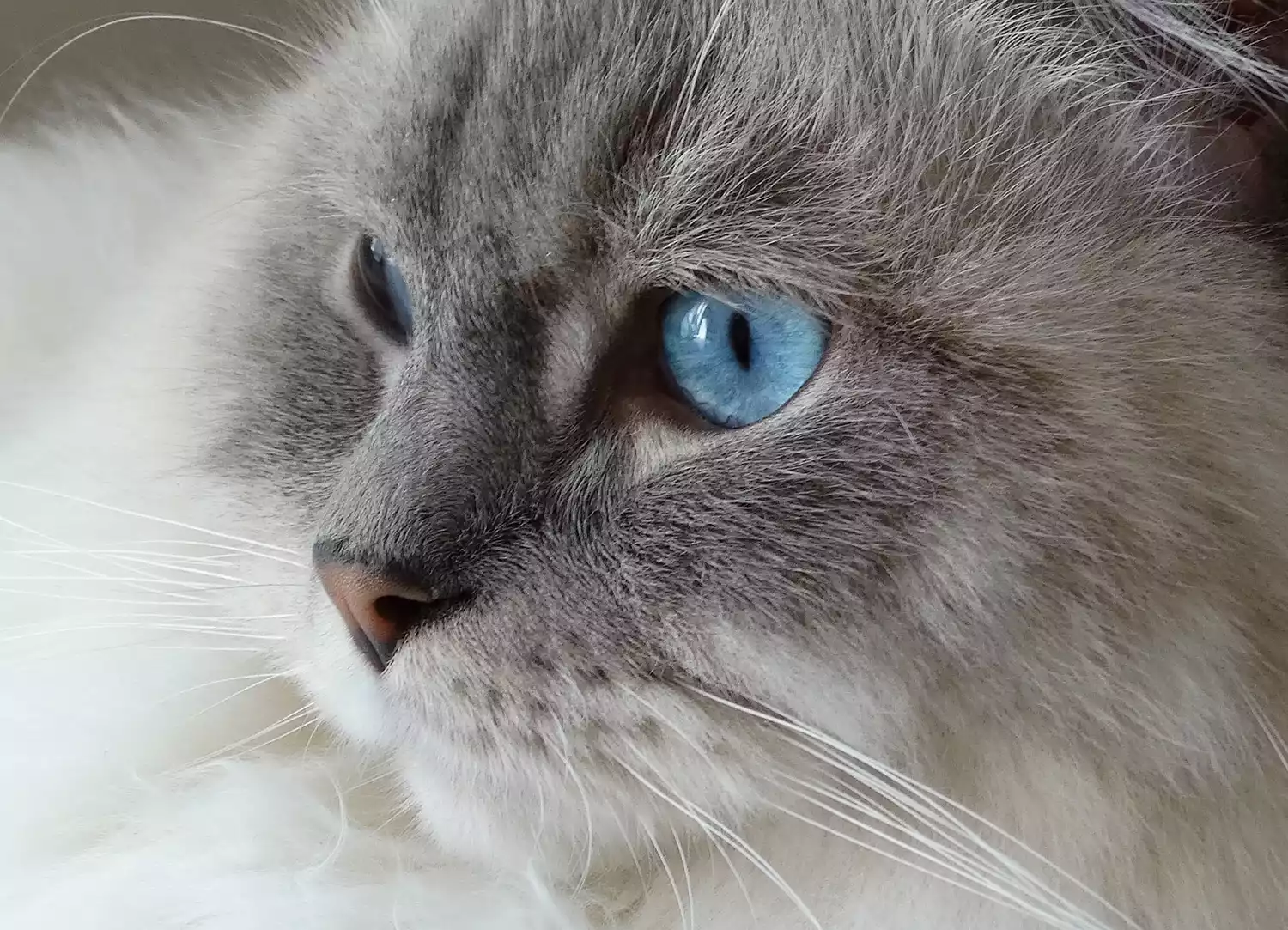
Many Ragdolls Have Bright, Blue Eyes
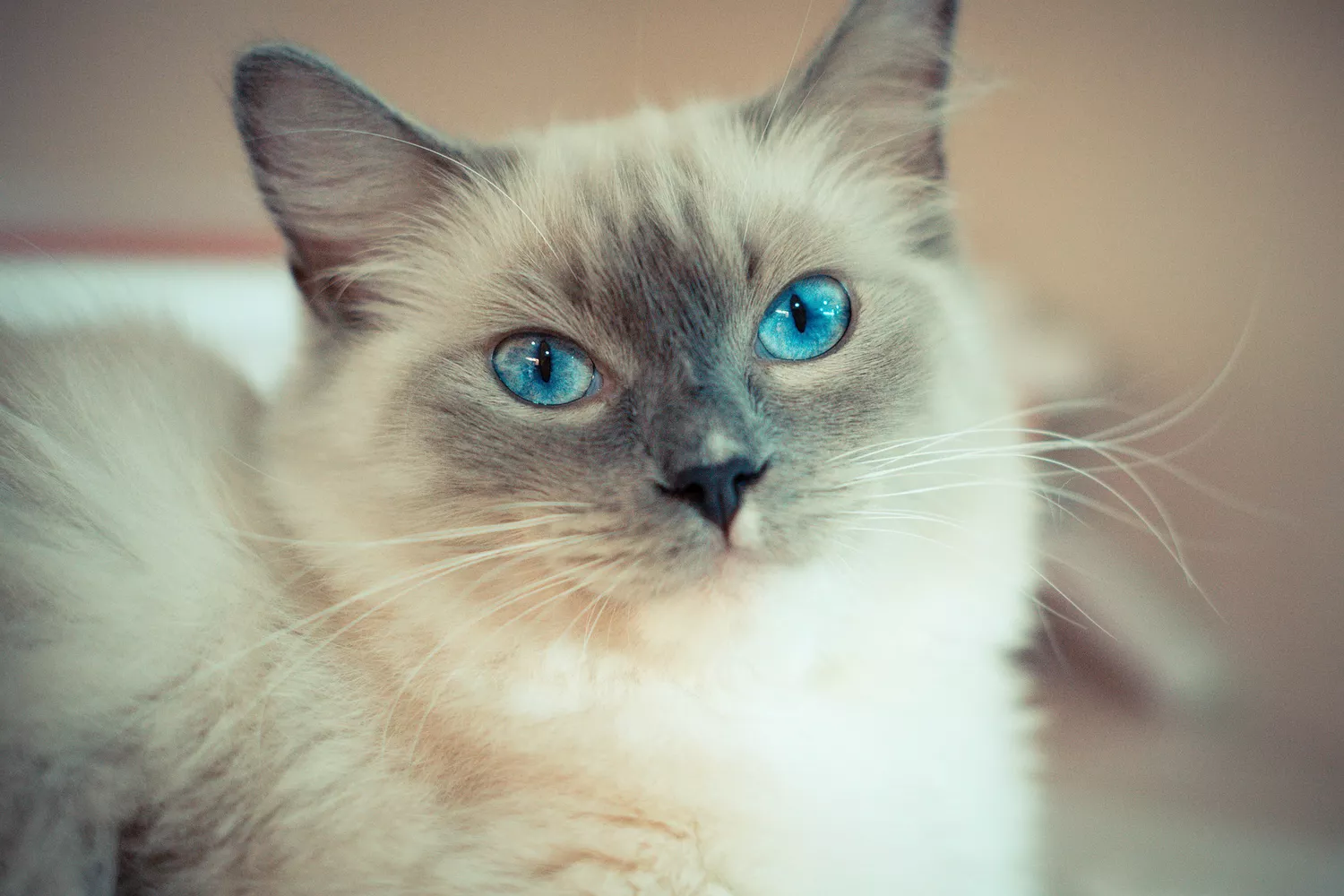
Ragdolls' big, bright, blue eyes are another defining characteristic of the breed, but not all Ragdolls have them. All purebred Ragdolls have blue eyes, but mixed-breed Ragdolls might have dark blue, green, or gold-colored eyes that change during kittenhood.
05 of 10
Ragdolls Are One of the Largest Cat Breeds
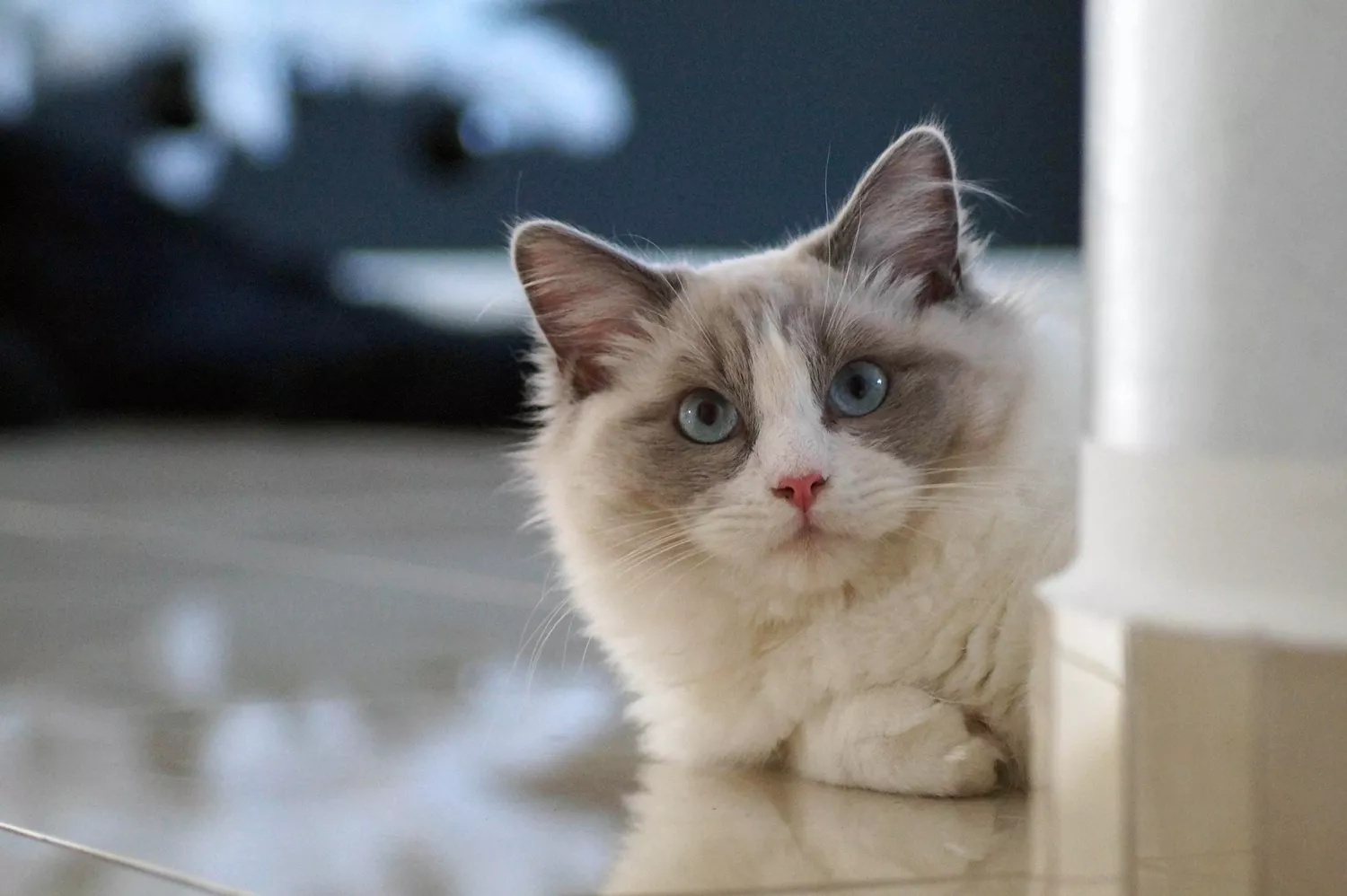
Like Maine Coons, Ragdolls are pretty sizable kitties. Males can reach a whopping 20 pounds, while females can reach up to 15 pounds—but don't let their massive size fool you. Ragdolls are extremely affectionate, cuddly, and playful, and absolutely love to be carried around. That's a win-win for you: you'll get an arm workout and a cuddle with your sweet kitty!
06 of 10
They're Really Named After Ragdolls
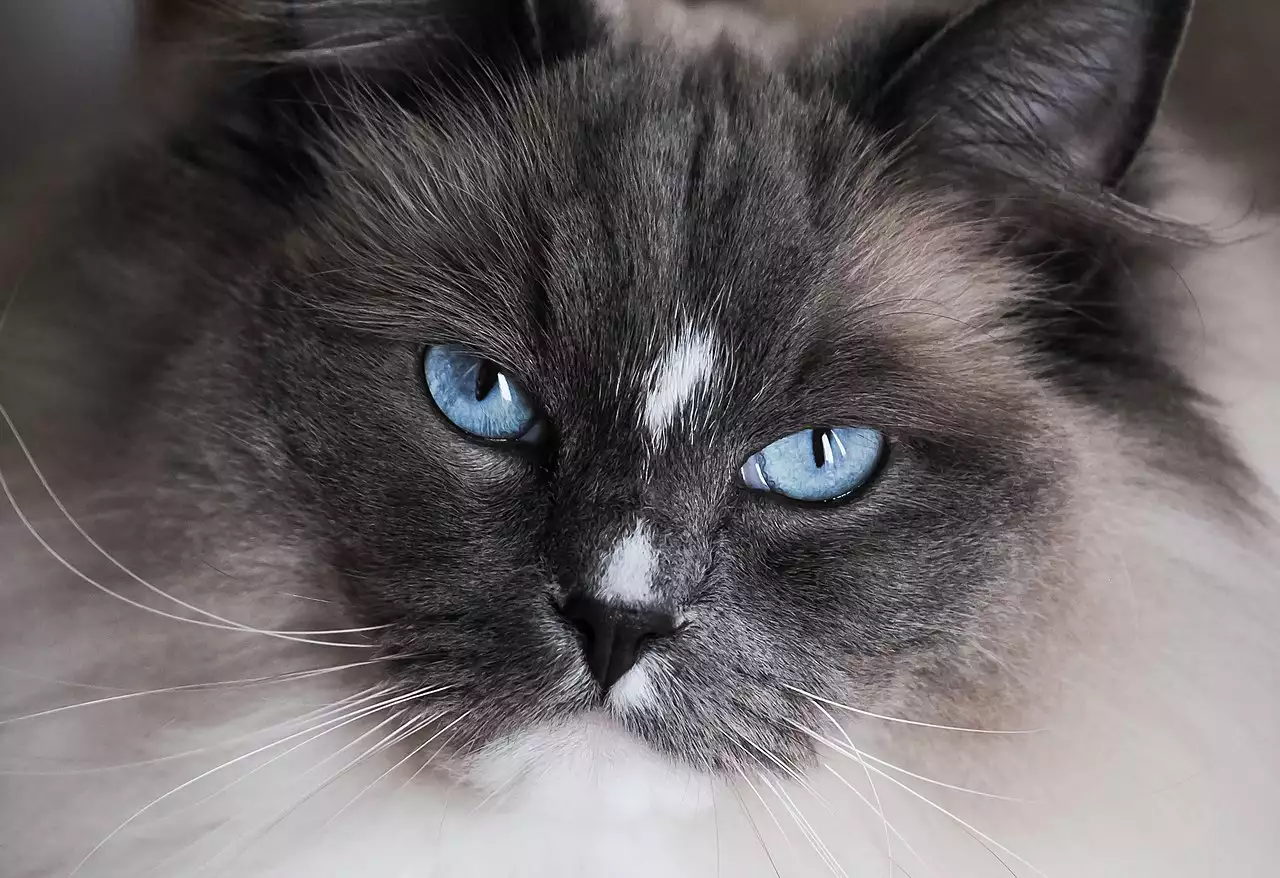
Ragdolls are super affectionate and love to cuddle—so much so that they go totally limp when they're picked up (because they're just so relaxed!). And what do their limp, relaxed bodies resemble? You guessed it—an old ragdoll toy.
What's more, many Ragdolls like being carried like a baby, and some will even let you dress them up in cute little outfits.
07 of 10
Ragdolls' Coats Don't Shed Very Much—and Are Super Low Maintenance
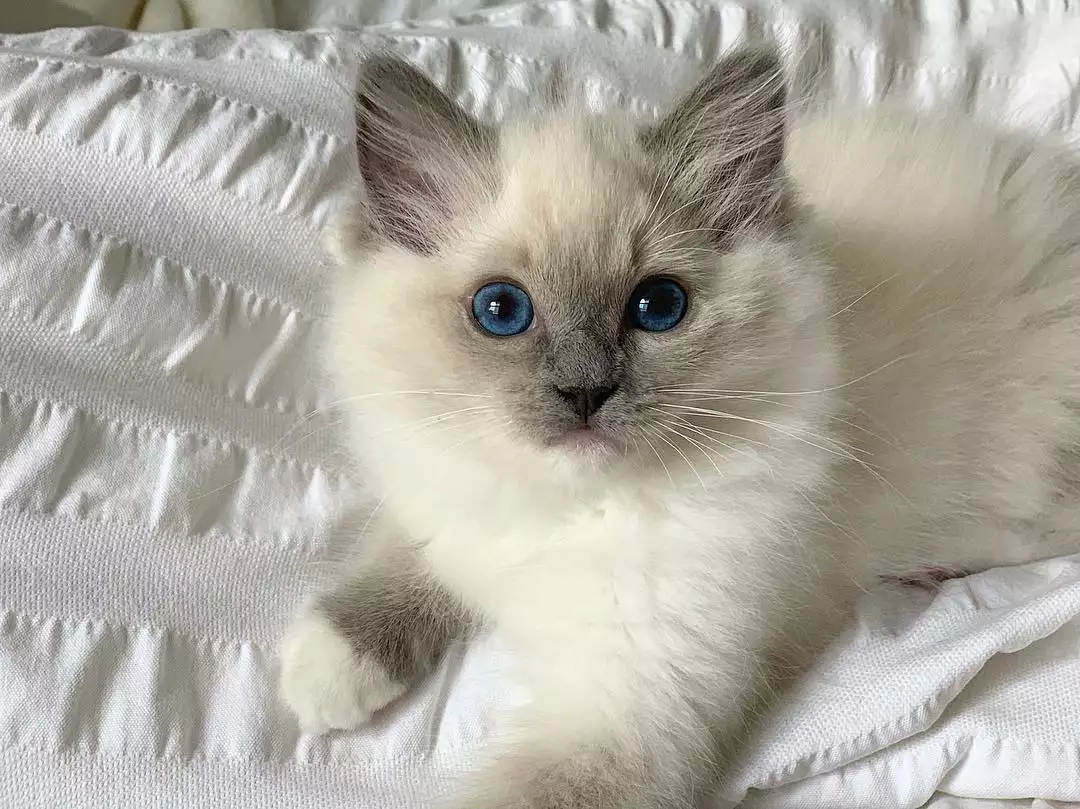
Despite their long, silky coats, Ragdoll cats don't shed very much—and compared to other kitties, grooming is a total breeze. Because Ragdolls don't have a thick undercoat, they don't shed as much as other cats and aren't prone to matting. All you have to do to keep their coats clean and healthy is brush them a few times per week.
08 of 10
Ragdoll Cats Are Slow to Mature
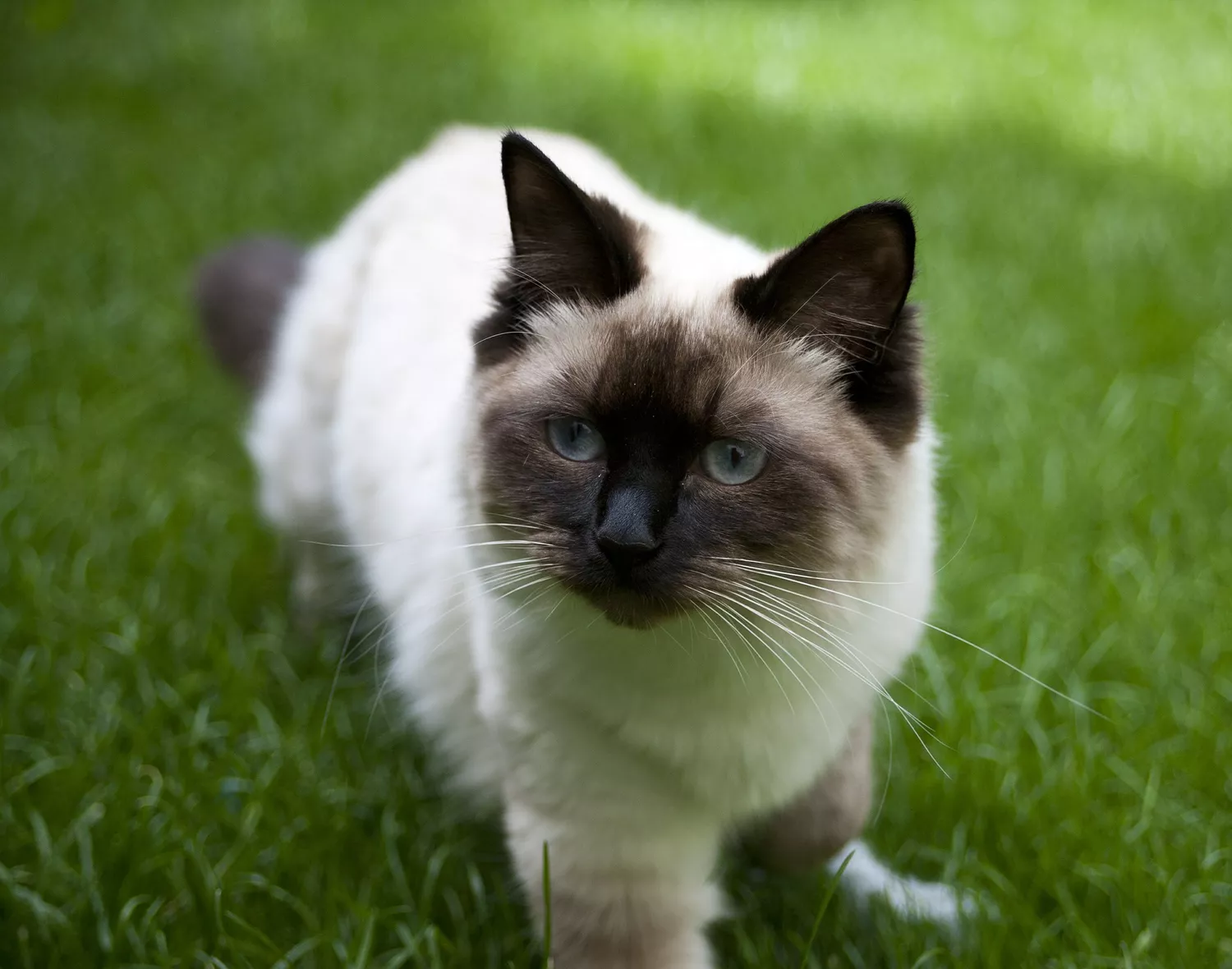
Nope, we're not just referring to their playful personalities—Ragdoll cats aren't considered fully mature until they reach 3 years of age. Considered a "slow maturing" breed, Ragdolls will continue to grow—and the colors and patterns in their coats might even continue to change—before they reach this age.
09 of 10
Ragdolls Have Been Named the Most Popular Cat Breed
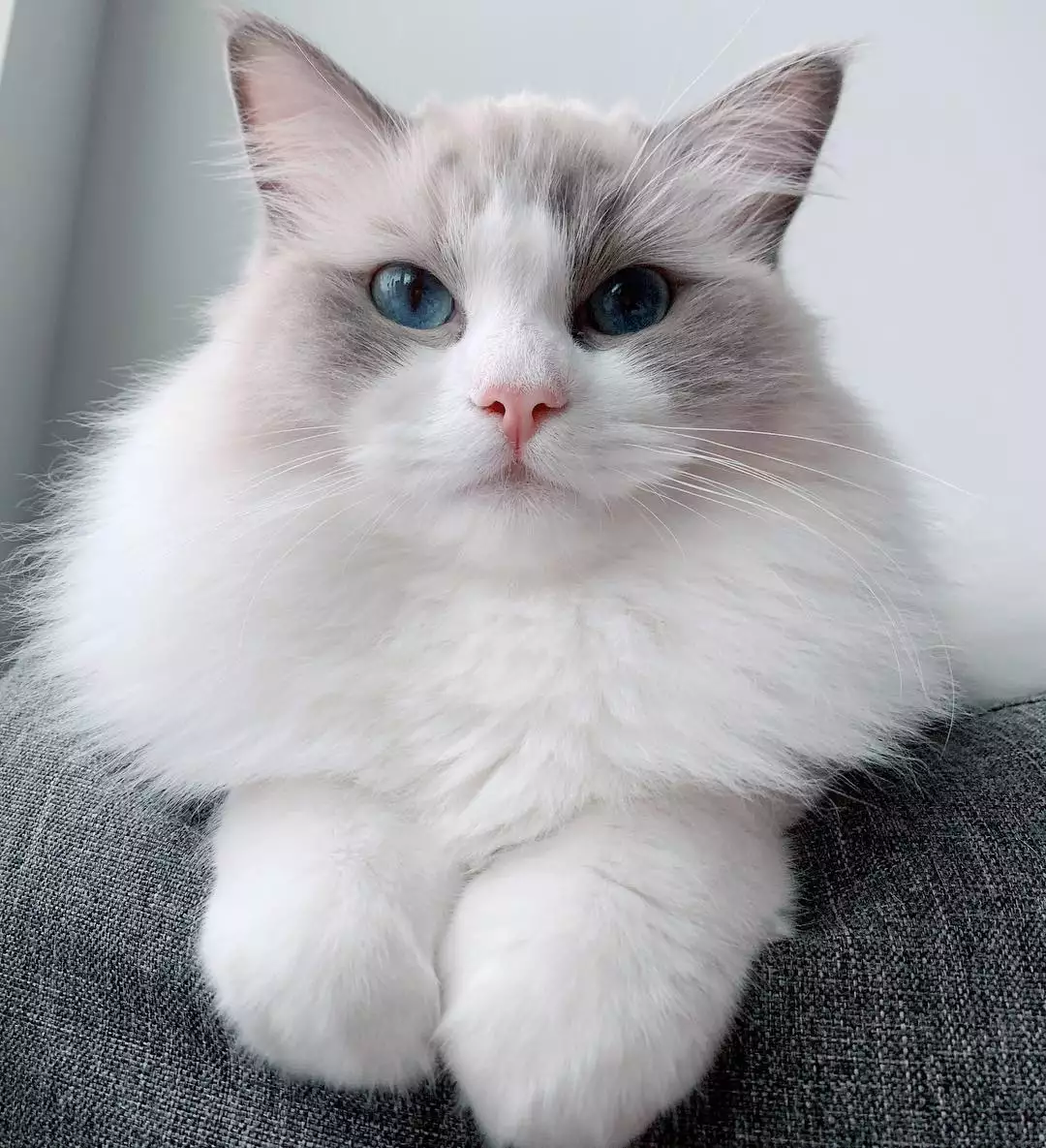
Thanks to their sweet, docile natures, beautiful, soft fur, and endless love for their family members (and the attention they get from them!), Ragdolls snagged the number one spot in the Cat Fanciers' Association's 2023 ranking of most popular kitties.1 Quite the honor, right?
10 of 10
A Ragdoll Holds the World Record as the Oldest Janus Cat
A Janus cat, or a cat born with two faces, is caused by an extremely rare congenital defect called diprosopia. Despite this condition's rarity, the record for the world's oldest Janus cat is held by a Ragdoll named Frank and Louie—otherwise known as Frankenlouie.
Frank and Louie, who lived to age 15, had one brain, two eyes (the middle eye being non-functional), two noses, and two mouths. His owner rescued him from being put down as a kitten and helped him live a long, happy, and healthy life.



