10 Must-Know Facts About Tortoiseshell Cats
Tortoiseshell cats get their name from their bi-colored coats that resemble a tortoise shell. “Tortoiseshell” describes a distinct coat pattern, not a particular breed. Often called “torties,” these colorful cats, primarily female, are beloved pets in many households.
Much like calico cats, tortoiseshell cats are the result of interesting genetics, and they’ve become mainstays in folklore all over the world. Thanks to several genetic mutations, their coats develop with almost marbled patterns.
Whether you’re considering adopting a tortie or just want to learn more, here are 10 interesting facts about tortoiseshell cats.
1:25
Watch Now: Facts About Tortoiseshell Cats
01 of 08
Most Tortoiseshell Cats Are Female; Males Are Extremely Rare
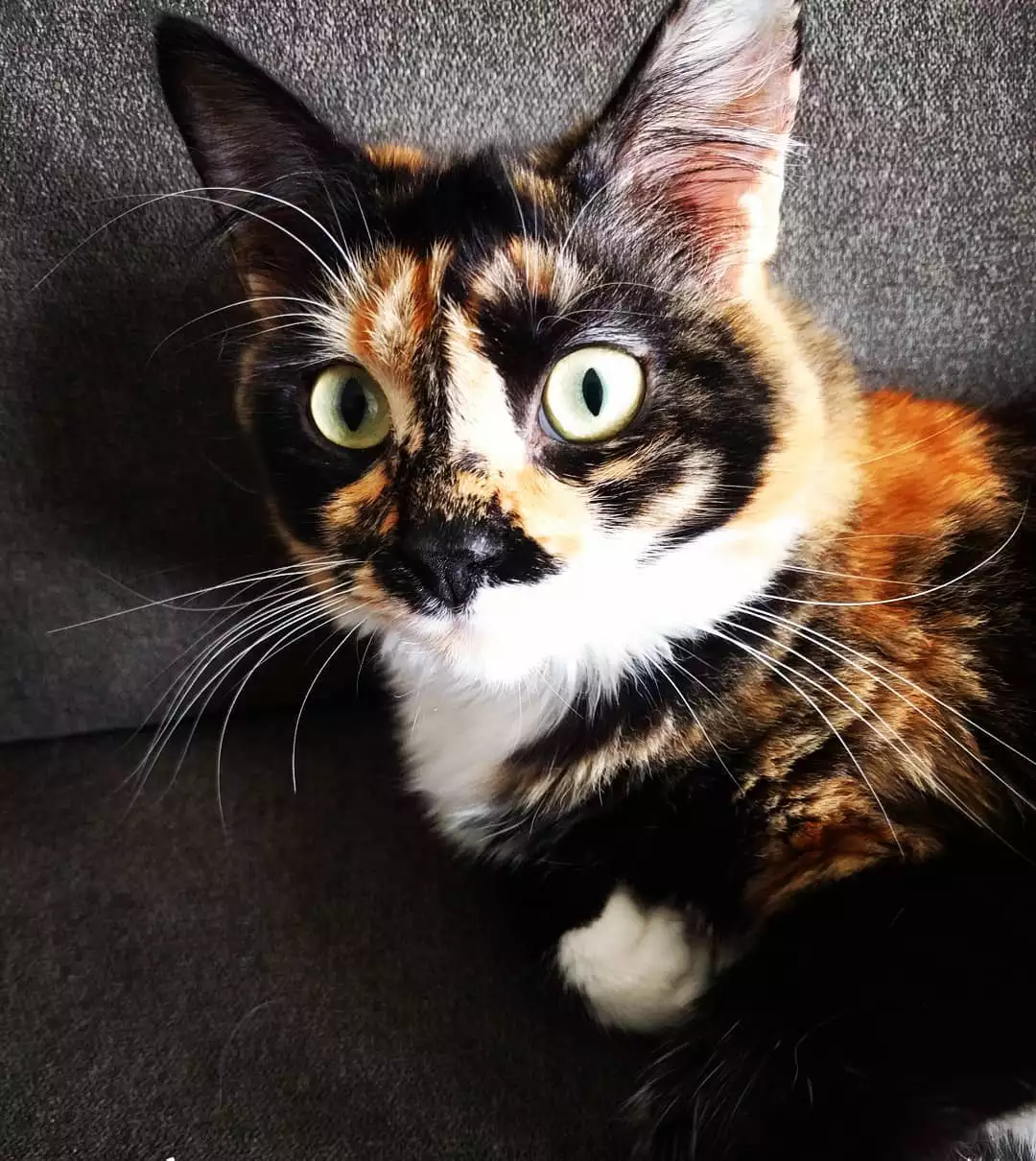
Like calico cats, you’ll find most tortoiseshell cats are female. That’s because the same chromosomes that determine their sex also determine the colors in their coats. The female sex chromosome (X) also carries the genetic code for orange or black coat colors; the male sex chromosome (Y) does not carry information on coat color.
Because females have two X chromosomes, they have two sets of genetic information that can determine their coat color. The embryo shuts off one X chromosome in each cell, resulting in orange and black color variations in their coats.
Because a male cat has one X chromosome and one Y chromosome, he’ll only be orange or black—not both.
In very rare cases—about 1 in 3,000—a male tortoiseshell cat can be born with two X chromosomes and one Y chromosome.1 In 2014, a Scottish cat rescue welcomed tortoiseshell kitten Harry into the fold—a feat so rare it made the news.
Unfortunately, male cats with XXY Syndrome are sterile and often have serious health issues, resulting in significantly shorter lifespans than female torties.2
02 of 08
Torties (Perhaps) Have a Distinct Temperament
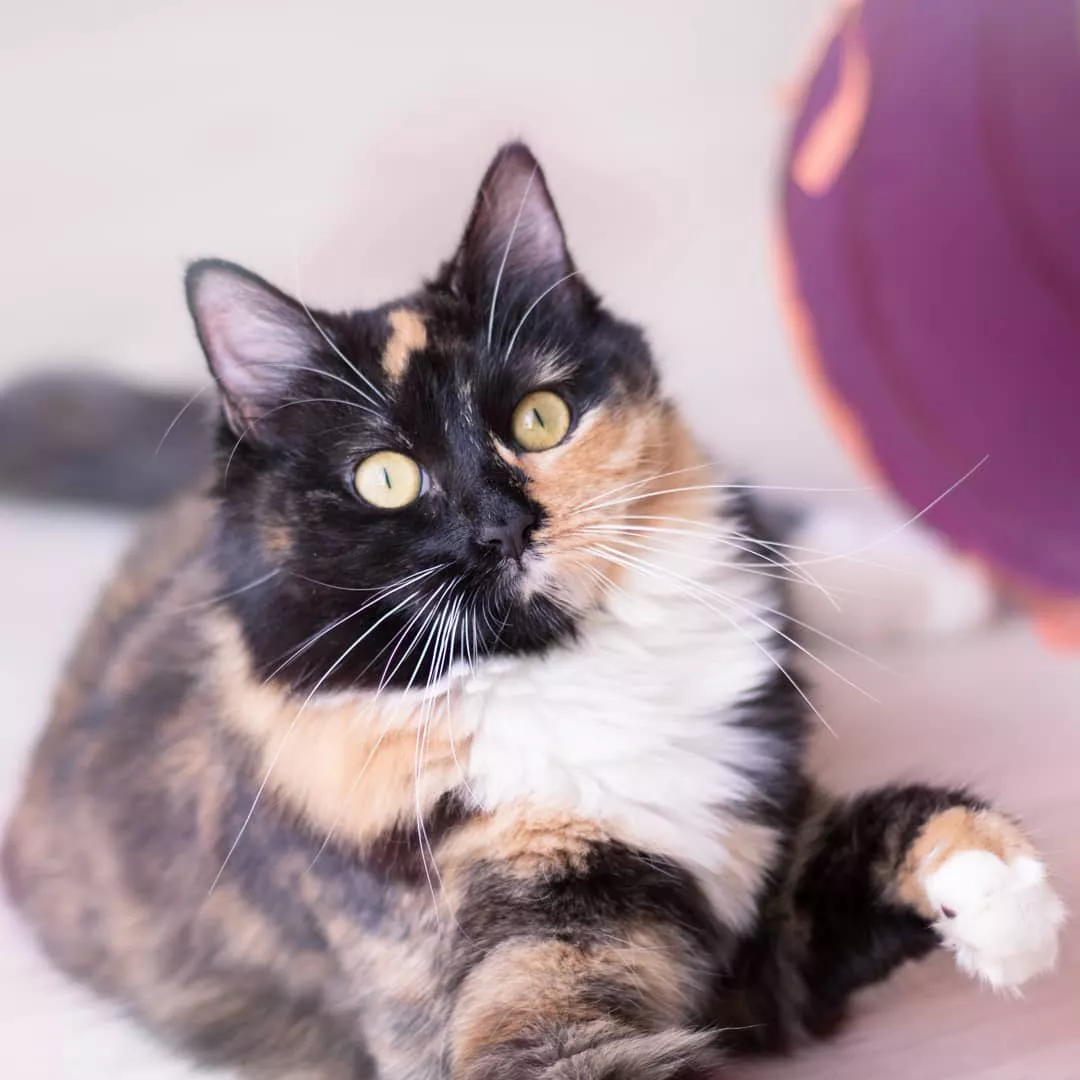
Although tortoiseshell cats aren’t a specific breed, some people believe they have a specific temperament.
In a study conducted by the University of California, Davis, Veterinary Medical Teaching Hospital, researchers pondered the link between a domestic cat’s coat color and their behavior. Tortoiseshell cats, along with calicos and “torbies,” were the main focus of the study.3
After the study was published, speculation spread that tortoiseshell cats have a distinct, somewhat sassy temperament, which was quickly coined “tortitude.” Anecdotally, many tortie parents agreed that their cats were high-energy, sassy, and even slightly aggressive.
But the study’s researchers actually didn’t find a distinct link between coat color and behavior, temperament, or personality.3
Maybe “tortiude” was just confused with regular old cases of catitude.
03 of 08
Tortoiseshell Cats Are in Many Breeds
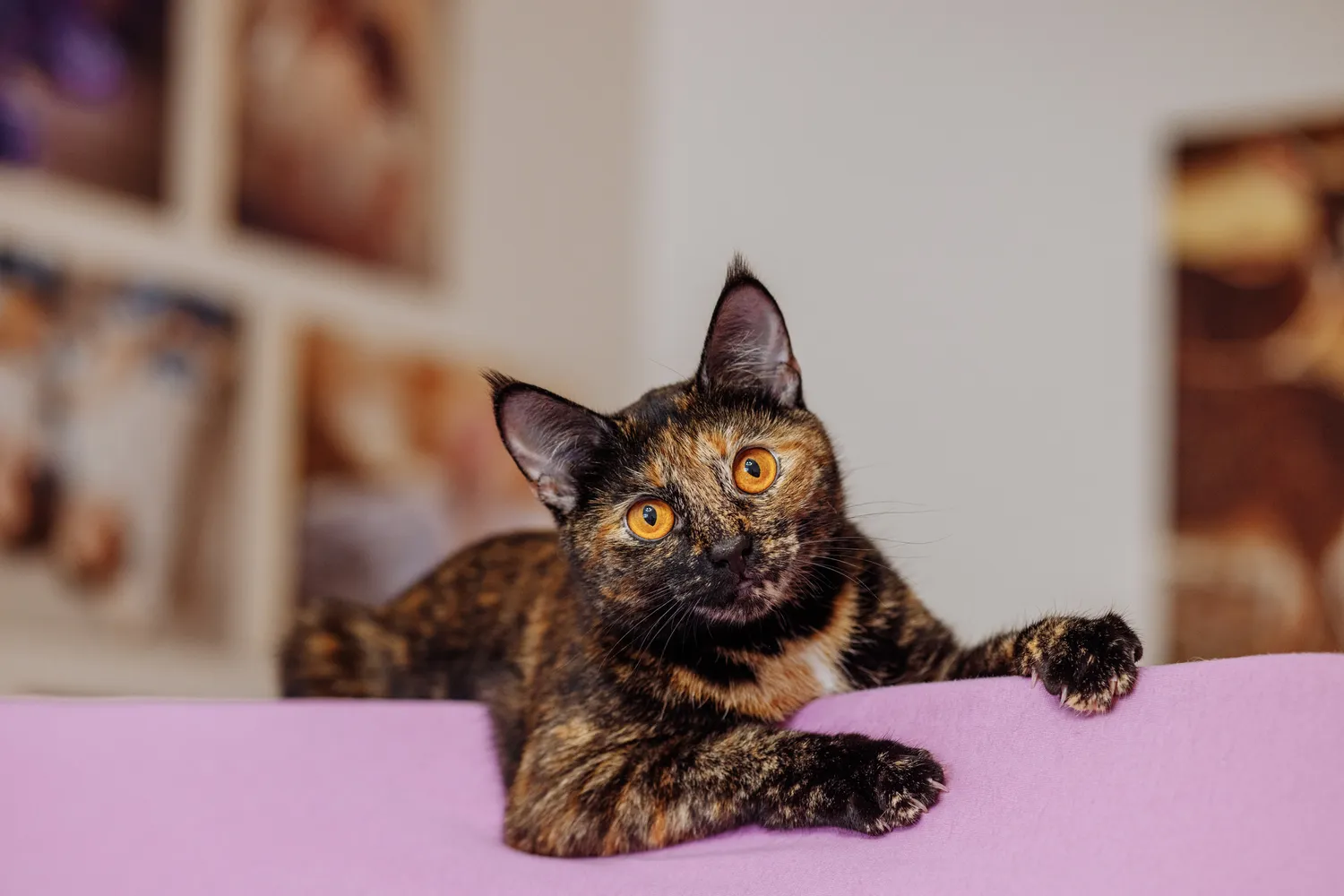
Mixed breed and purebred cats can sport the tortoiseshell coat pattern, including:
American Shorthair
British Shorthair
Cornish Rex
Persian
Maine Coon
04 of 08
Tortoiseshell Cats Are Considered Good Luck
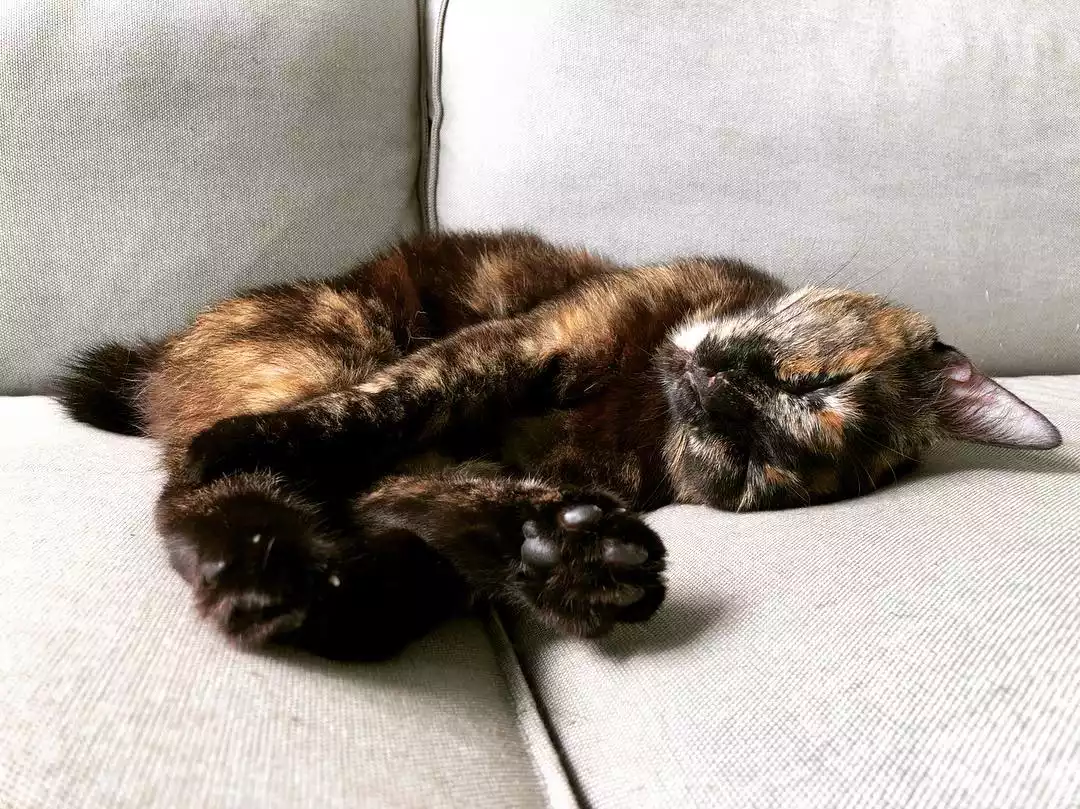
Across the internet, you’ll find plenty of auspicious legends about tortoiseshell cats. They’re considered to be signs of good luck in several countries, though the backstories are mostly mythical.
In Japan, people believe tortoiseshell cats can protect ships from ghosts and shipwrecks.4
English folklore says rubbing a tortoiseshell cat’s tail on a wart will cure the affliction, but only, potentially, in the month of May.4
In the United States, tortoiseshell cats are believed to be “money cats” that will bring good fortune into the home.
An extremely rare male tortie joining your home? That’s more good luck in Scotland and Ireland.
05 of 08
They’re Named After Tortoiseshell Material
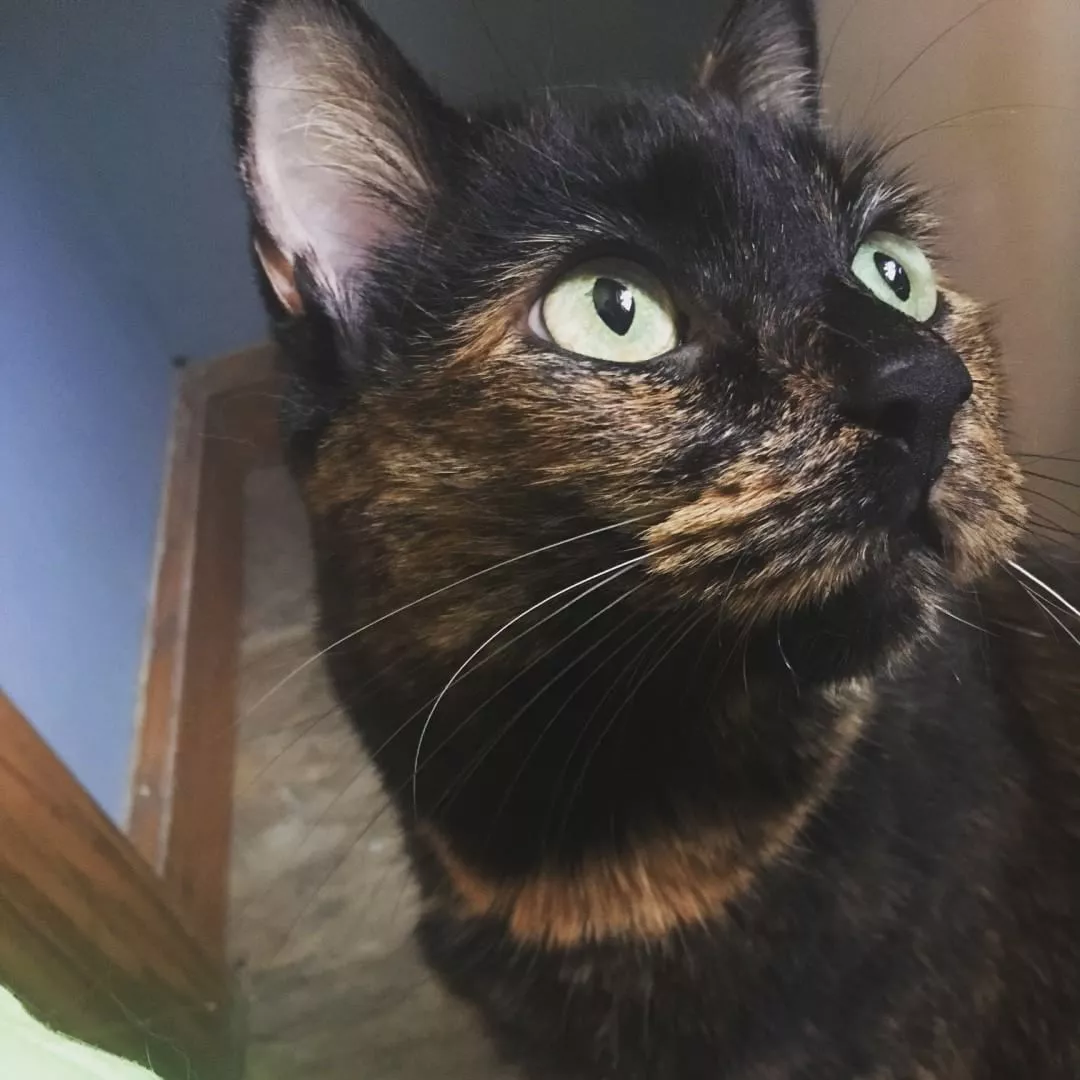
Tortoiseshell—a material from real tortoises—was used to produce high-end jewelry, eyeglasses, and home décor before the 1970s. Tortoiseshell cats were named after this material because their coats resemble its colors and pattern.
Since tortoise populations were decimated worldwide because of such high demand, the use of the material was banned by the CITES treaty and synthetic tortoiseshell was developed.
06 of 08
Tortoiseshell Cats Can Also Be “Torbies”
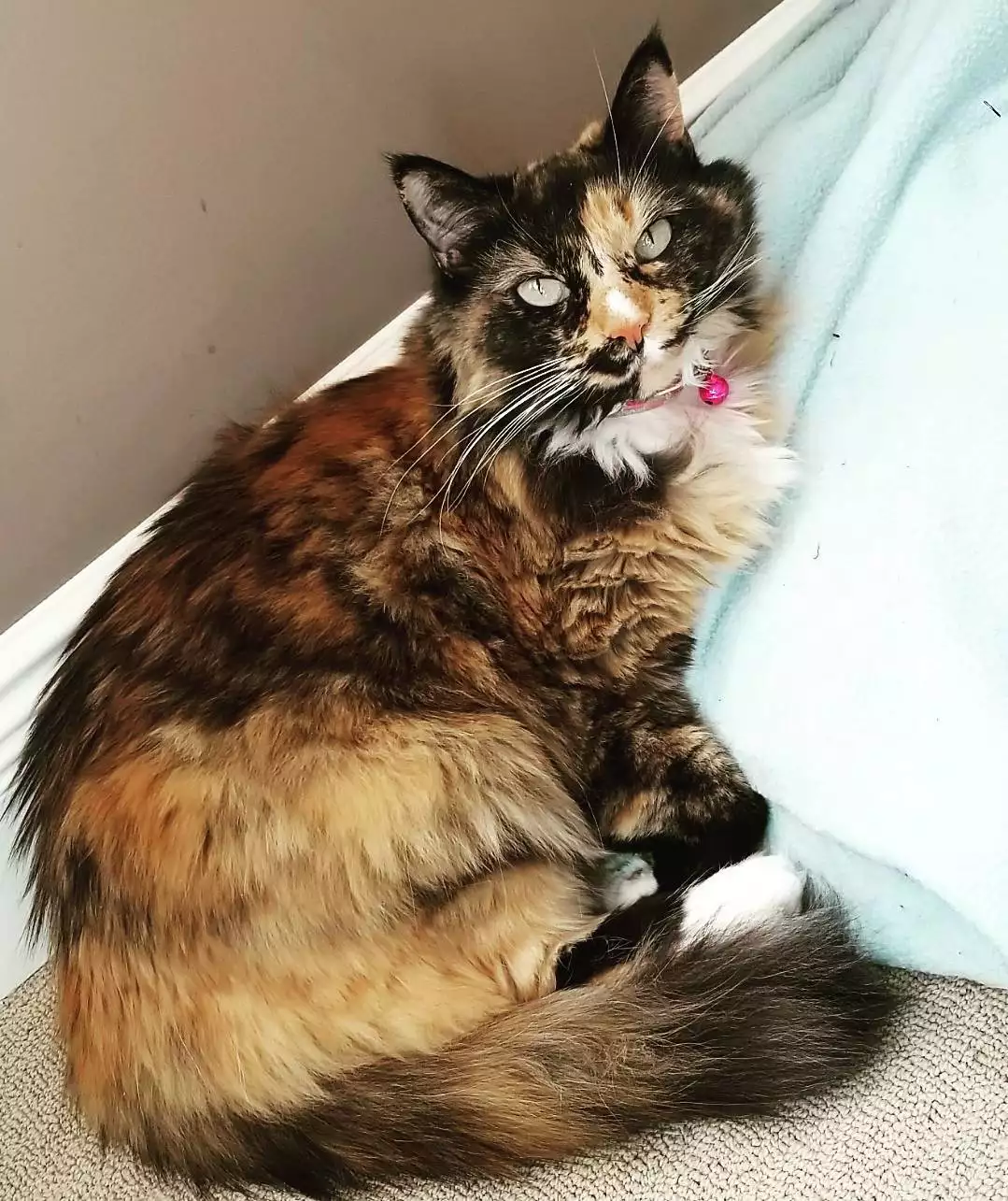
When you cross a tortoiseshell cat’s coloring with a tabby’s stripes, you get a “torbie.” You may also hear them being referred to as “tortoiseshell tabbies” or “striped torties.” They have gorgeous, colorful coats with distinctive stripes with lots of variation.
07 of 08
President Ronald Reagan Owned Tortoiseshell Cats
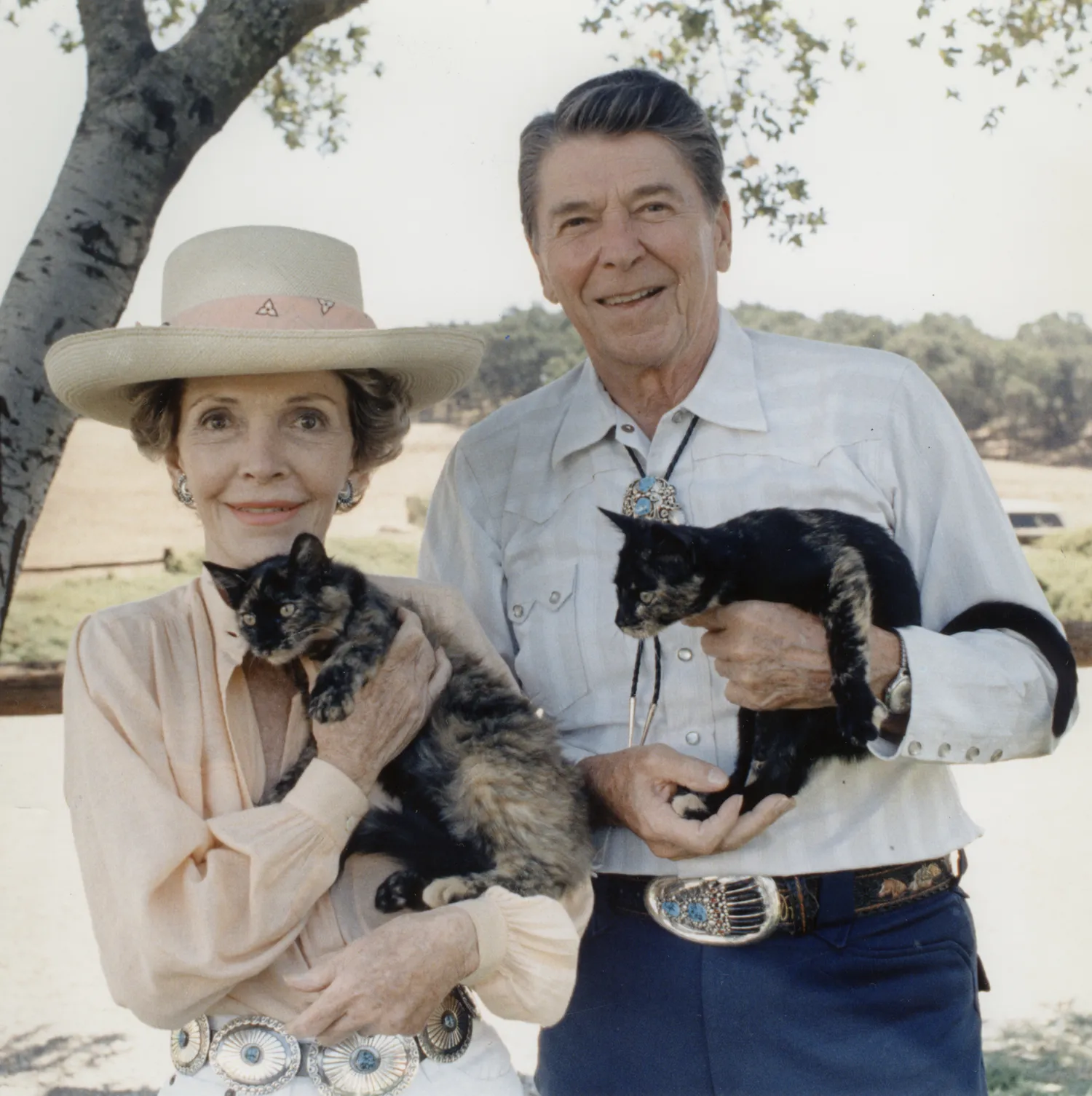
President Ronald Reagan and First Lady Nancy Reagan didn’t keep tortoiseshell cats Cleo and Sara at the White House in the 1980s. Instead, the two kitties stayed at their California ranch.
08 of 08
Tortoiseshell Cats Have Two Types of Fur
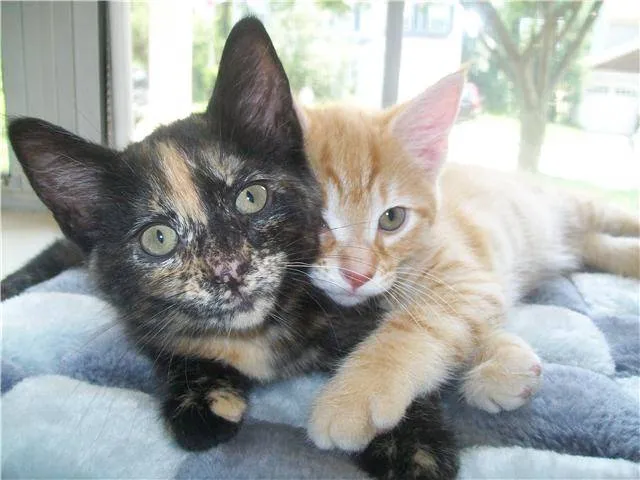
Although tortoiseshell coats are most commonly a combination of ginger and black, they can also have hints of cream, orange, or gold. The colors are either “bridled” (look like they’re woven together) or “patched” (form in large patches all over the body).
In addition, their coats can be chimera or mosaic, with mosaic being much more common because chimera happens when two embryos fuse in the womb. The chimera pattern features a different color on each side of the face, with the two colors separated clearly along a line. The mosaic pattern’s colors are mixed or swirled together all over the face and body.



