British Shorthair: Cat Breed Profile, Characteristics & Care
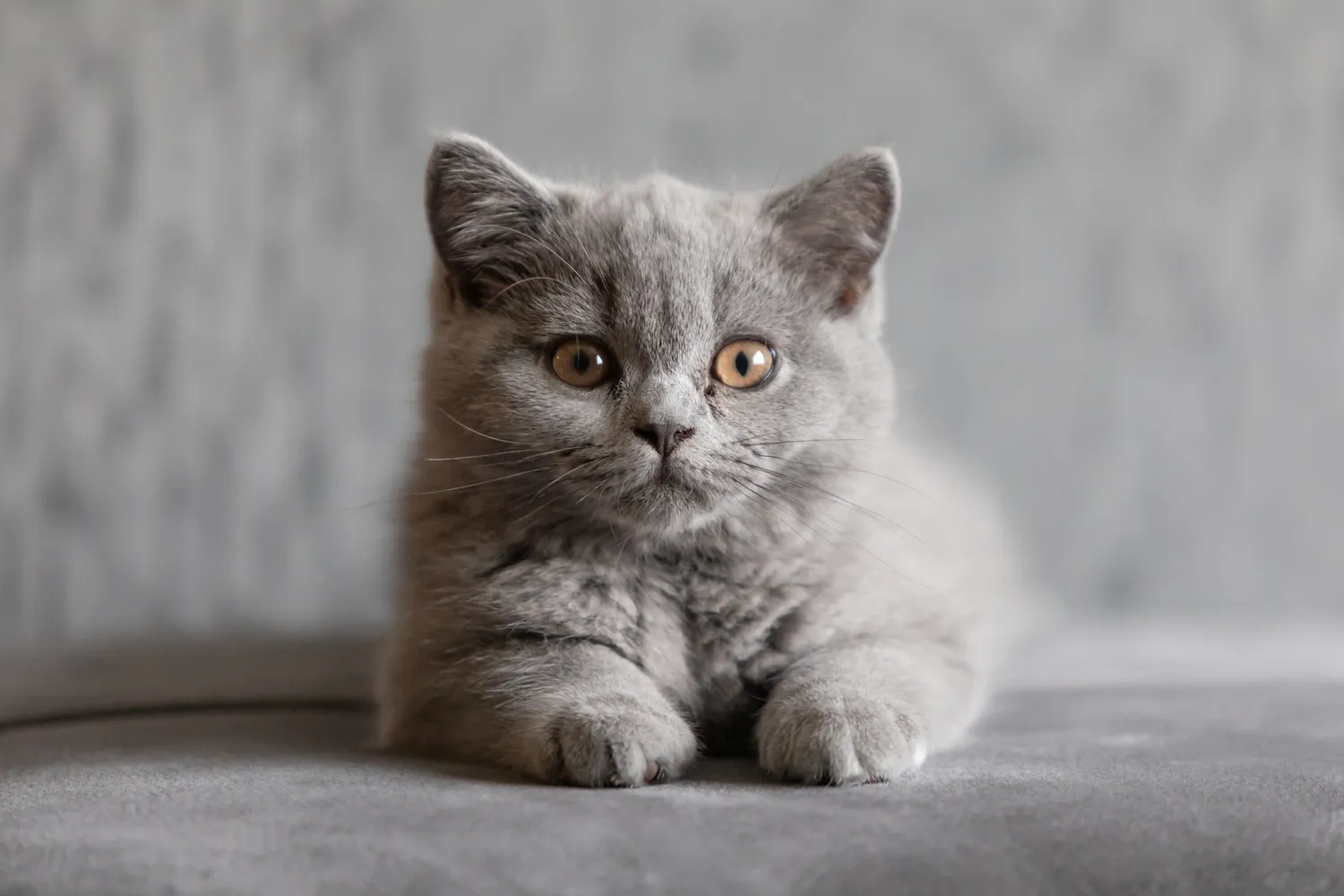
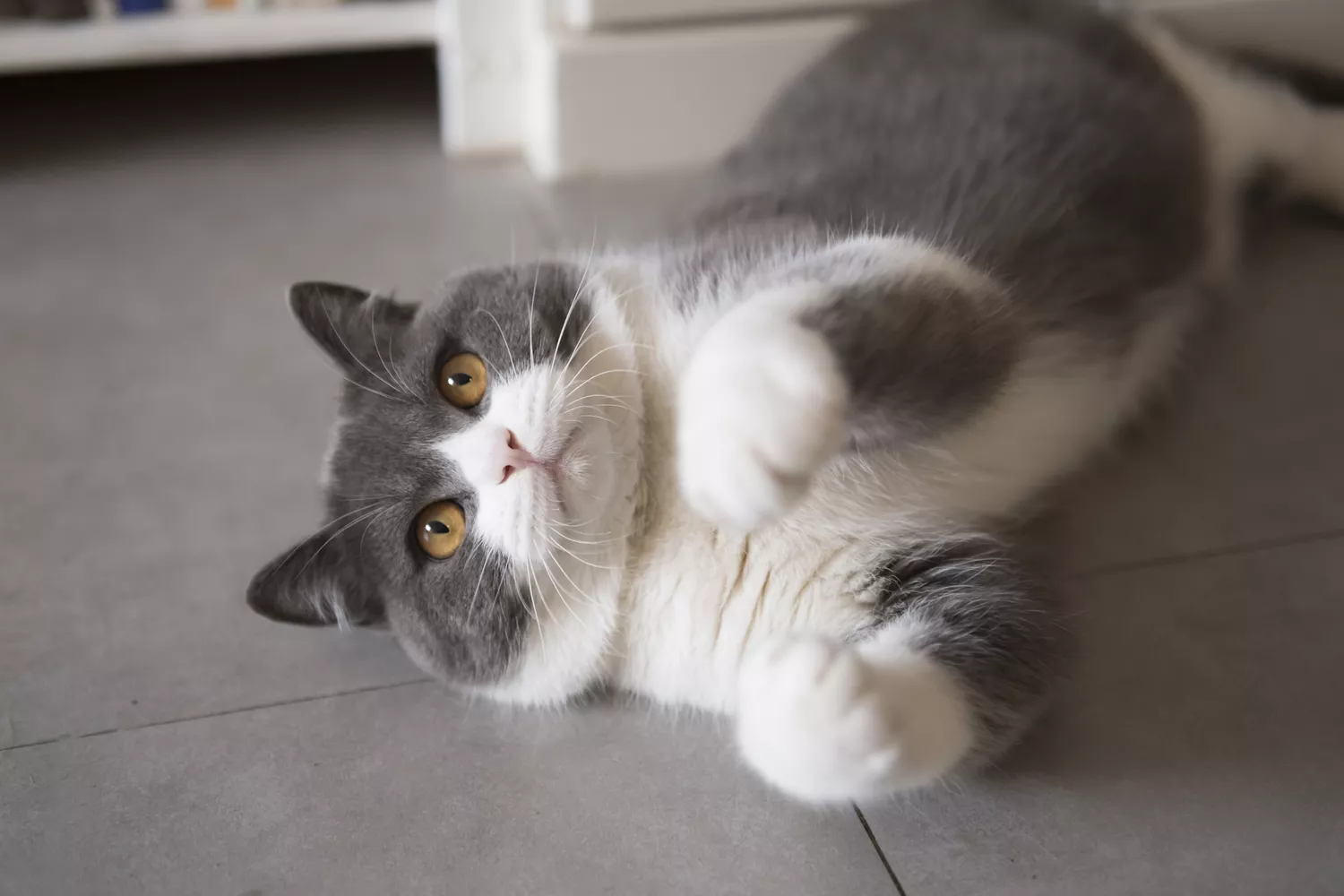
The British shorthair is a medium-to-large-sized cat with a short, dense coat and a distinctive rounded head and face that make them look like a cuddly teddy bear. These cats tend to be sweet and affectionate without being needy or clingy.
Learn more about the British shorthair, including the breed’s characteristics, history, and care needs.
British Shorthair Characteristics
The British shorthair is slow to mature, both physically and mentally. These cats generally don’t achieve their final size and weight until somewhere between 3 and 5 years old. British shorthairs may continue to display kittenish energy and playfulness until they reach maturity, but once fully mature, this breed is calm and well-behaved.
They make wonderful family cats. The breed has an easygoing personality and generally gets along with everyone, including kids and other animals living in the house.
British shorthairs are active without being hyper, tend to be quiet, and can live happily in almost any size house, including apartments.
History of the British Shorthair
The British shorthair is possibly the oldest cat breed in Great Britain. The most agreed-upon theory of this breed’s development is that British shorthairs started out as shorthaired street cats, but breeders refined and standardized the cats, likely crossing them with Persians and Russian blues, until they resembled the British shorthair we know and love today.
British shorthairs were among the breeds exhibited at England’s first organized cat show in 1871.1 Back then, the breed was called the British blue because blue (gray) was a very common color in the breed early on. Although blue British shorthairs are still popular today, they come in many different colors and patterns.
The breed was first brought to the United States in the early 1900s, but they were called domestic shorthairs.
The British shorthair was formally recognized by The Cat Fanciers' Association in 1980. Today, this popular breed can be found throughout the world.
British Shorthair Care
The British shorthair is a delight to have in the home, and is not a difficult cat to care for. Like all cats, they benefit from regular exercise through play and a consistent brushing routine to keep their coat smooth.
Exercise
British shorthairs are playful well into adulthood, but they are not hyper or excessively active. They can get plenty of exercise by exploring the house and playing with you a few times a day.
Engage your British shorthair with feather wands, toy mice, and any other favorite toys.
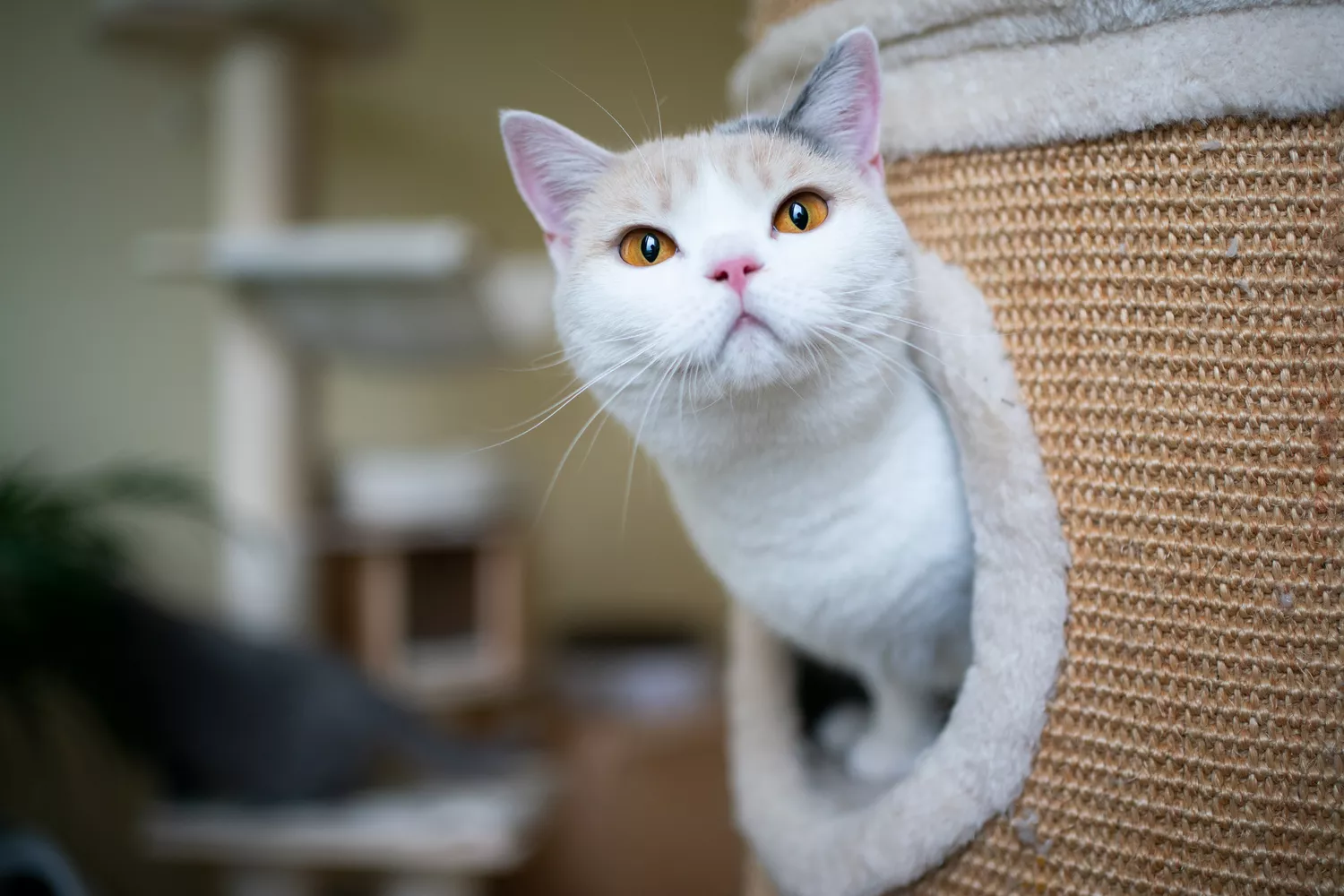
Make sure your cat has plenty of things to climb and perch upon like cat trees, cat-friendly bookshelves, and kitty condos.
Cats can also get exercise and enrichment through scratching. Set up several acceptable scratching places in the house, including vertical scratchers (such as tall posts or cat trees) and horizontal scratchers (such as cardboard or sisal scratchers that lie flat on the ground).
Shedding
The British shorthair doesn’t shed excessively, but rather moderately. You should expect to find some fur around the house or on your clothes.
These cats also shed more seasonally, such as during the spring and fall.
Grooming
As the breed name suggests, the British shorthair has a short coat that needs only minimal grooming.
Brush about once a week using a soft slicker brush, and more frequently during periods of seasonal shedding to remove loose hair before it ends up all over the house.
Trim the nails every two to three weeks and check inside the ears weekly. If you see a little debris in the ears, use a feline ear cleaner to clean the ears using a cotton ball (never use a cotton swab). If your British shorthair’s ears look red or excessively dirty, make an appointment to see your veterinarian.
Brush your cat’s teeth regularly, such as several times a week, to help keep their teeth and gums healthy. Only use cat-safe toothpaste; never use human toothpaste on a cat.
Common Health Problems
British shorthairs are a notably healthy breed and are rarely affected by genetic disease. Among genetic and general illnesses, they are most prone to:
Heart disease: This breed can develop heart problems—specifically hypertrophic cardiomyopathy, which causes the left ventricle to thicken, thus inhibiting the heart’s ability to function properly.
Cataracts: This causes the lens of the eye to become cloudy, impacting vision. Surgery can fix it.
Polycystic kidney disease: This is an inherited condition, so cats are born with it. It causes cysts to form on the kidneys. There is no cure, but there are treatments.
Dental disease: Like many cats, British shorthairs are prone to developing teeth and gum problems, such as gingivitis, periodontal disease, and tooth resorption. Signs of dental disease include bad breath, changes in eating habits, and excessive drooling.
Of course, any cat can become sick, injured, or develop a health condition. For that reason, it’s important to visit your veterinarian at least once a year for a physical exam to ensure your cat is healthy and to stay on top of any developing health concerns.
Appearance
The British shorthair has a compact, well-balanced, and powerful body. Females are slightly smaller than males.
The British shorthair is a big cat—not massive like the Maine coon or Siberian cat, but some males can weigh as much as 17 pounds (females usually top off at 12 pounds or less).
One of the hallmarks of the breed is the round head, with round cheeks, a firm chin, medium-sized ears, and large, round eyes.
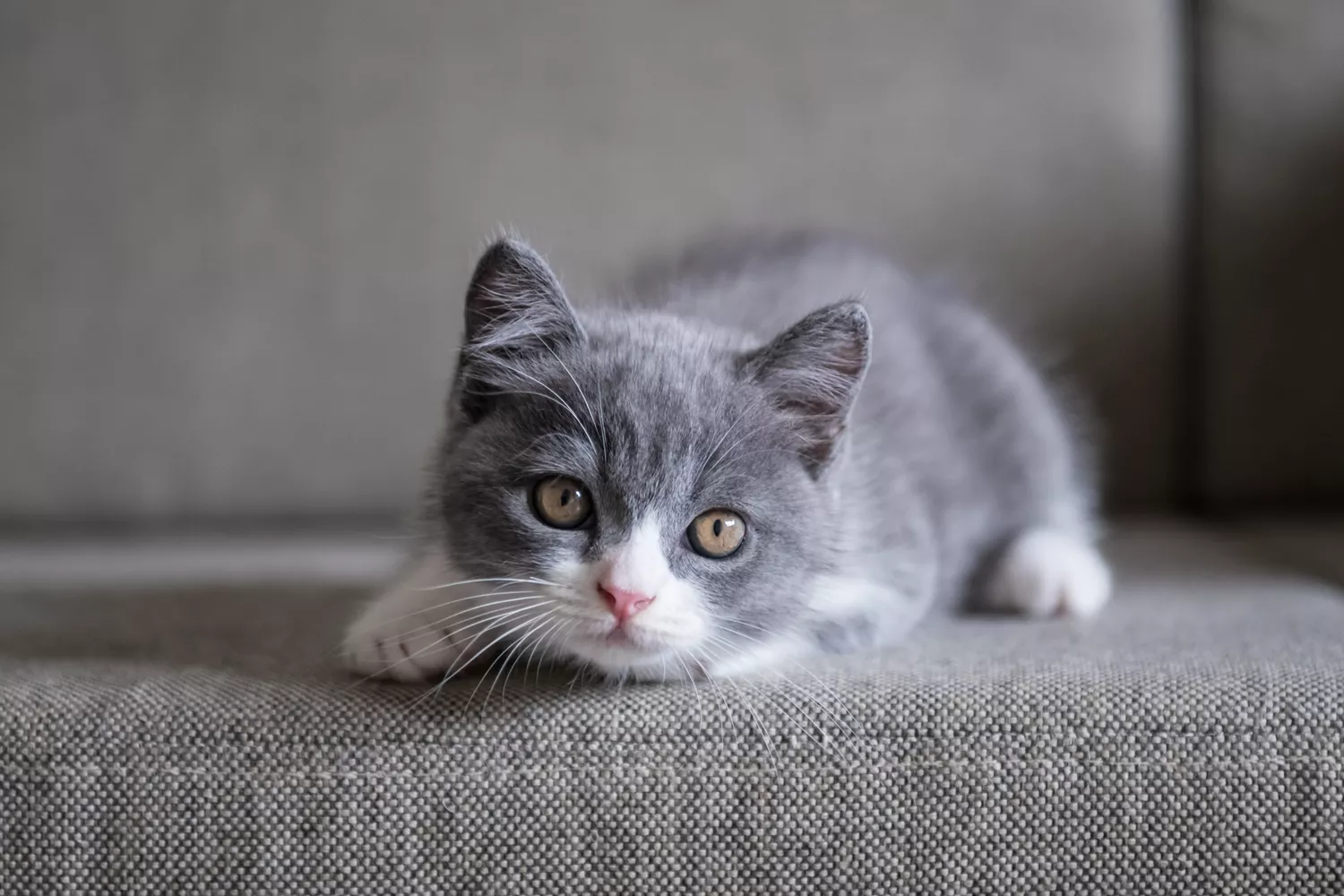
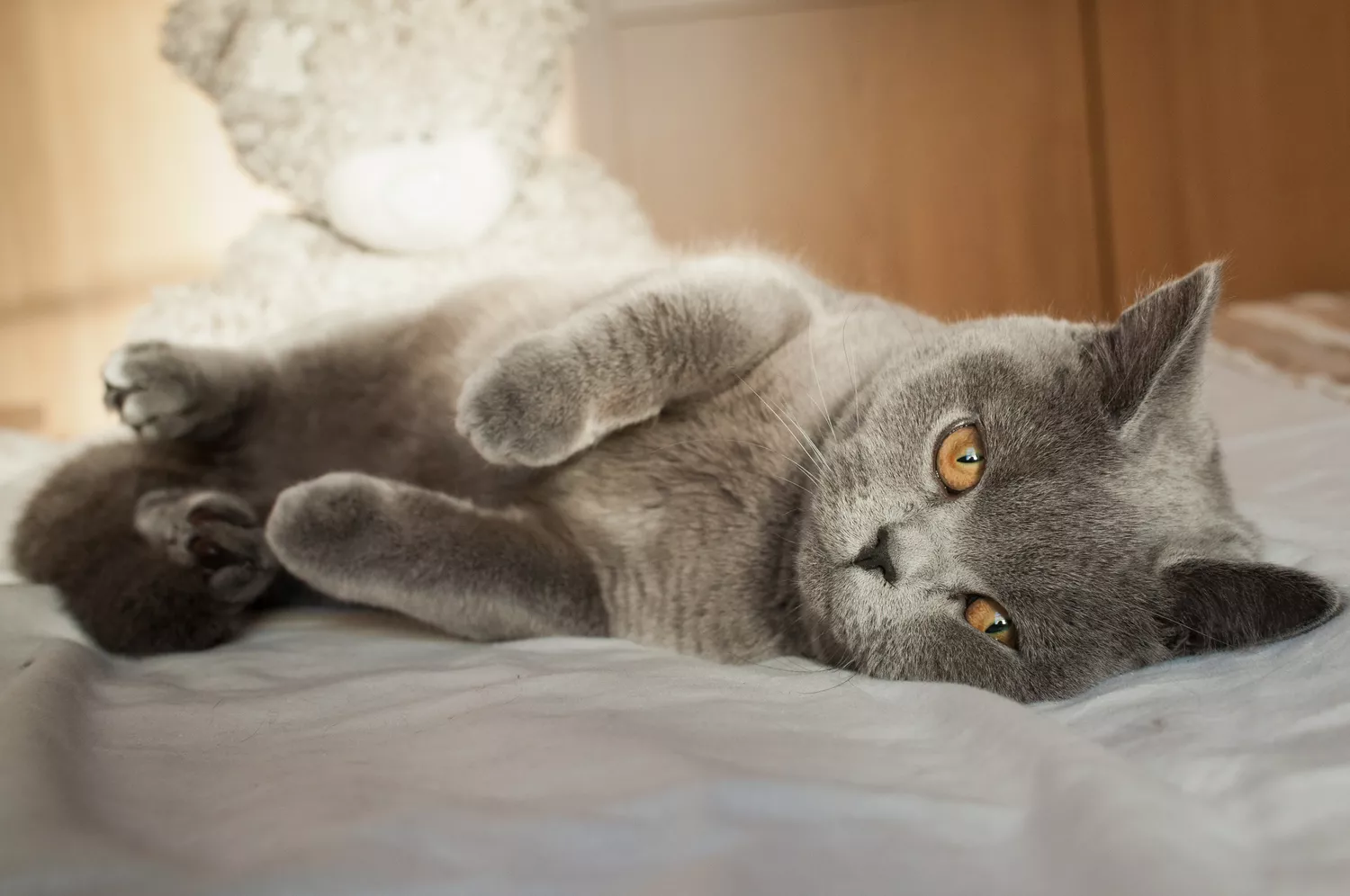
The British shorthair has a short, dense single coat with no undercoat. Although blue British shorthairs are common, the breed can come in many different colors and patterns.
Diet and Nutrition
British shorthairs are solidly built, but it’s best to keep them at a lean, healthy weight in order to prevent weight-related health issues, such as diabetes and heart disease, which can affect any cat but may be compounded by excess weight.
Feed your adult British shorthair measured meals twice a day (three times a day for young kittens), but don't leave food out all day as it can lead to overeating and weight gain.
Always have fresh water available for your pet.
If you have questions or concerns, talk to your veterinarian for advice about the best food for your cat.
Where to Adopt or Buy a British Shorthair
For a purebred British shorthair, you can expect to spend between $1,000 and $3,500.
The British shorthair is a popular cat breed, so it may not be hard to find these cats for sale from breeders.
British shorthairs rarely end up in animal shelters, but you can ask local British shorthair breeders if they know of any adult British shorthairs in need of new homes.
A fun way to meet British shorthair breeders and see cats of many different breeds is by attending a local cat show. Newbies are very welcome at cat shows, and breeders enjoy educating people about their breed.
Here are some resources to start your search:
The Cat Fanciers' Association
The International Cat Association
Petfinder
Rescue Me!
British Shorthair Overview
British shorthairs are affectionate without being needy and are accepting of strangers, though they may be a bit aloof until they get to know you better. They are wonderful companions for gentle and considerate children and tend to get along well with other friendly household pets.
Pros of British Shorthairs
Calm and laid-back
Affectionate but not needy
Gets along well with children and other pets
Cons of British Shorthairs
Short coat sheds moderately
Doesn’t love being held or carried
Shouldn’t be left alone many hours a day
More Cat Breeds and Further Research
If you like the British shorthair, you might also like these cat breeds:
American Shorthair
Russian Blue
Scottish Fold



