15 Best Condo Dogs for Apartments or Condos
If you live in an apartment or condo and you live in a pet-friendly unit, you might debate getting a condo dog. Many dogs can thrive in small homes, particularly small to medium breeds, although certain large breeds aren't out of the question.
Here are 15 of the best dogs for apartments or condominiums.
01 of 15
Basset Hound

The basset hound is typically a low-key dog. The basset is moderately energetic but tends to get less active with age. Most basset hounds enjoy a daily walk but don't need a ton of exercise.
Breed Overview
02 of 15
Bichon Frise
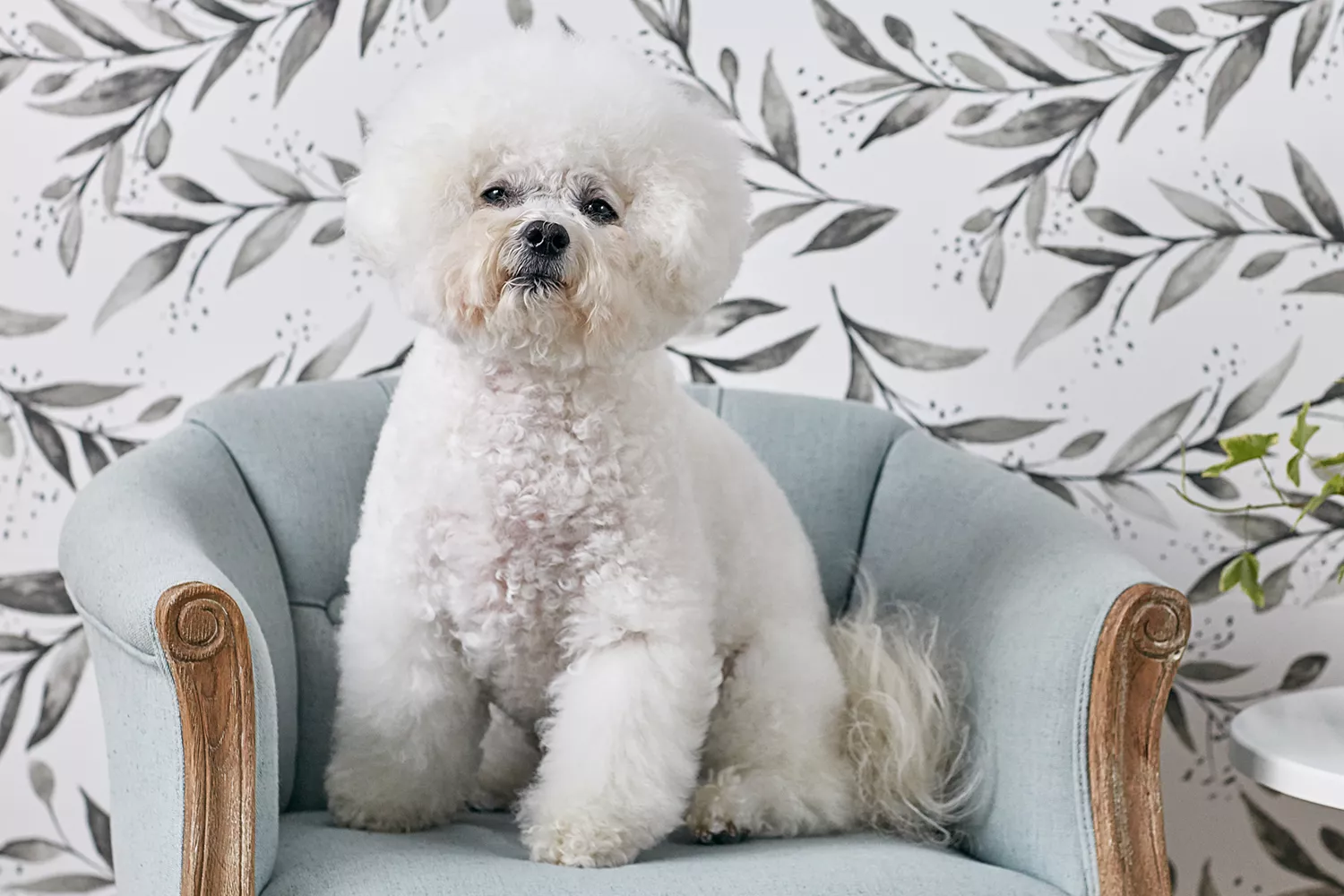
Bichons are a favorite among small-dog enthusiasts. They're typically loyal and happy dogs with a medium energy level. Although many small dogs are known to be yippy barkers, the bichon isn't too noisy. Daily play sessions and walks should be enough to fulfill a bichon's exercise needs.
Breed Overview
03 of 15
Bulldog
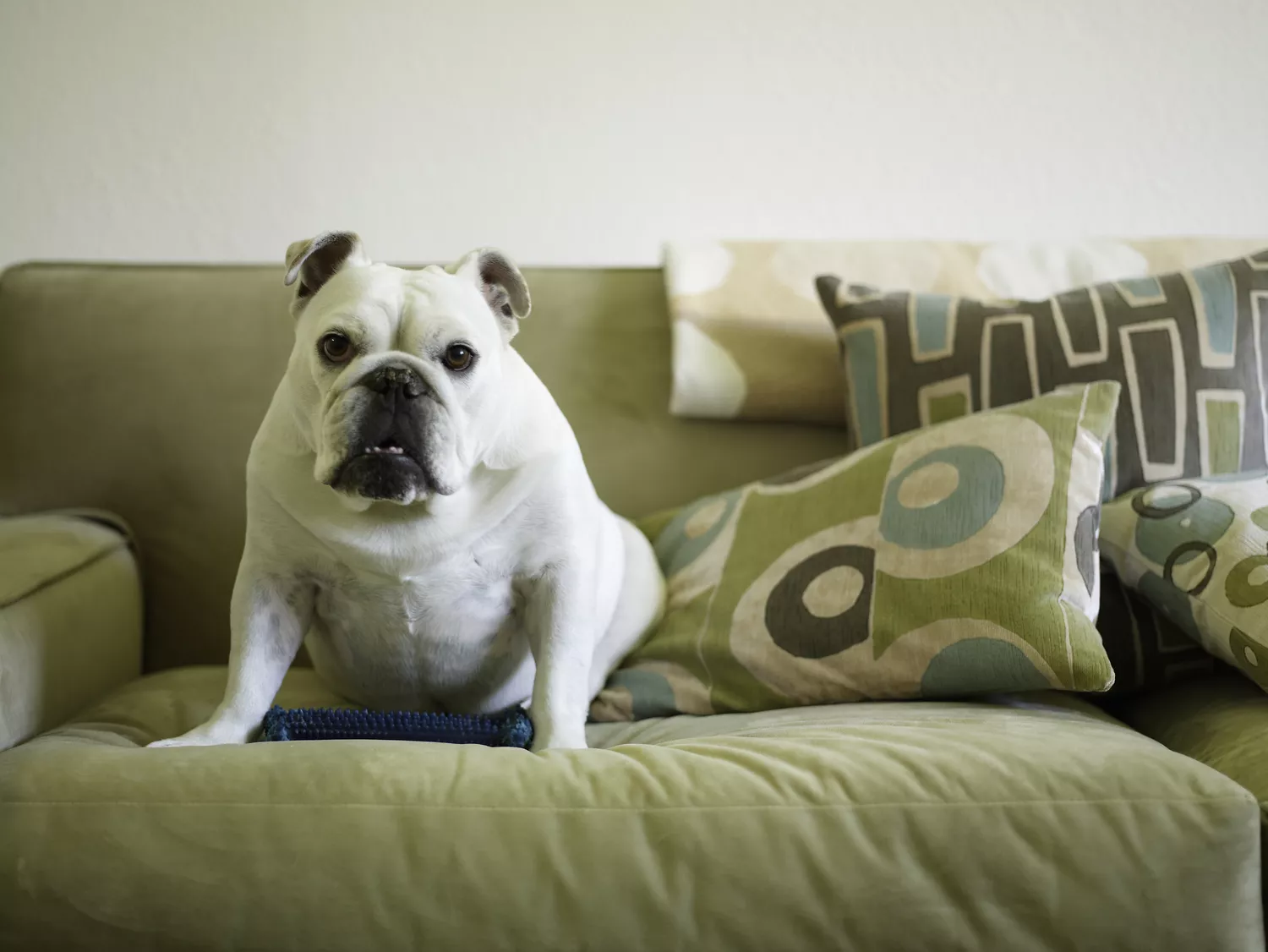
Medium-sized bulldogs have a moderate energy level. Regular exercise is necessary, but the breed has a pretty low tolerance for activity. A daily walk or two and some games are usually enough. Bulldogs are generally loyal, jovial companions. They're typically fairly quiet—as long as you don't mind some snoring.
Breed Overview
04 of 15
Cavalier King Charles Spaniel
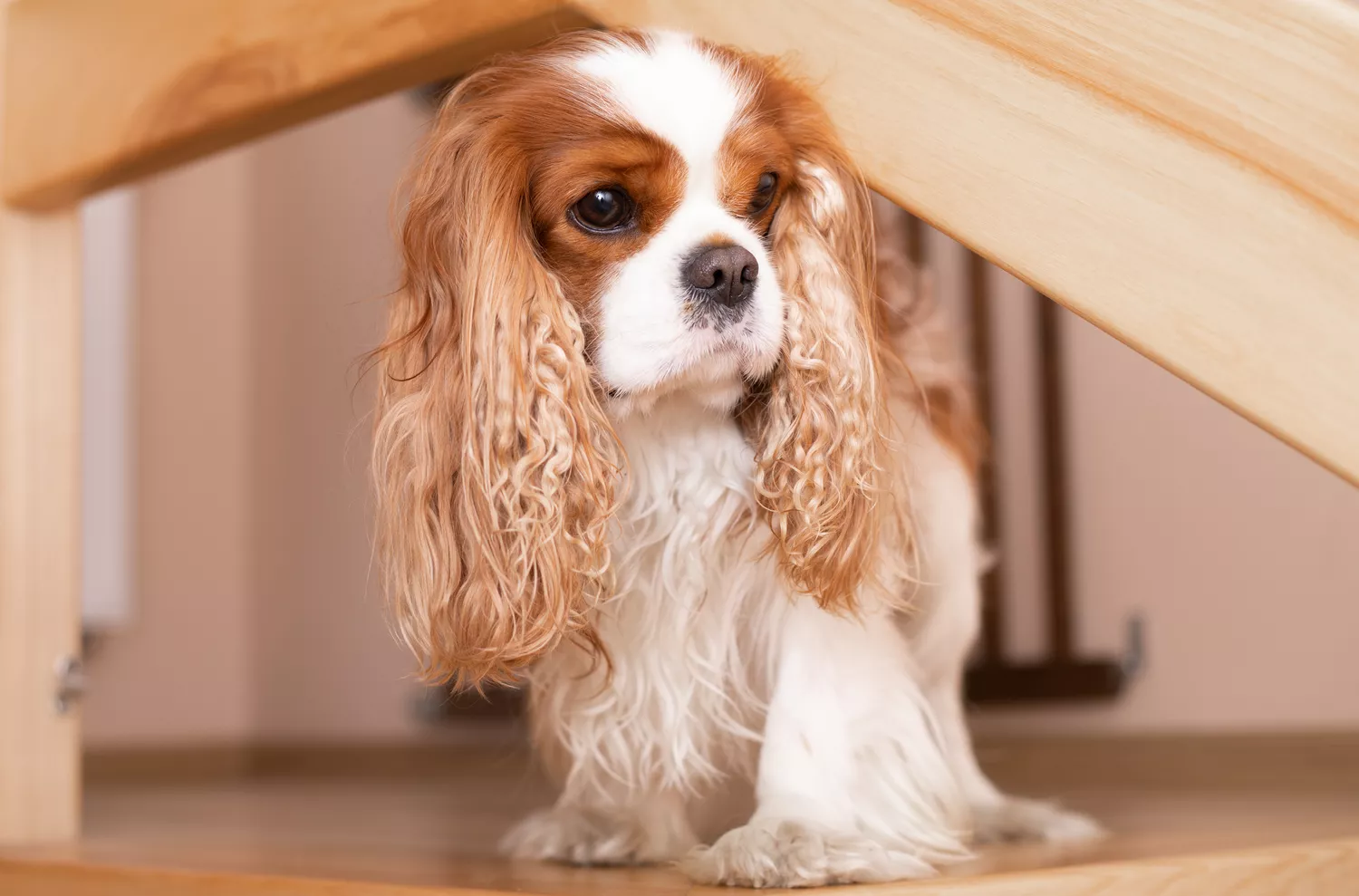
The Cavalier King Charles spaniel is typically upbeat and happy-go-lucky, yet calm and gentle. This dog has a medium energy level, benefitting from daily walks and games. But what they really thrive on is companionship. This dog can be moderately vocal but is generally happy to quietly snuggle on the couch.
Breed Overview
05 of 15
Chihuahua
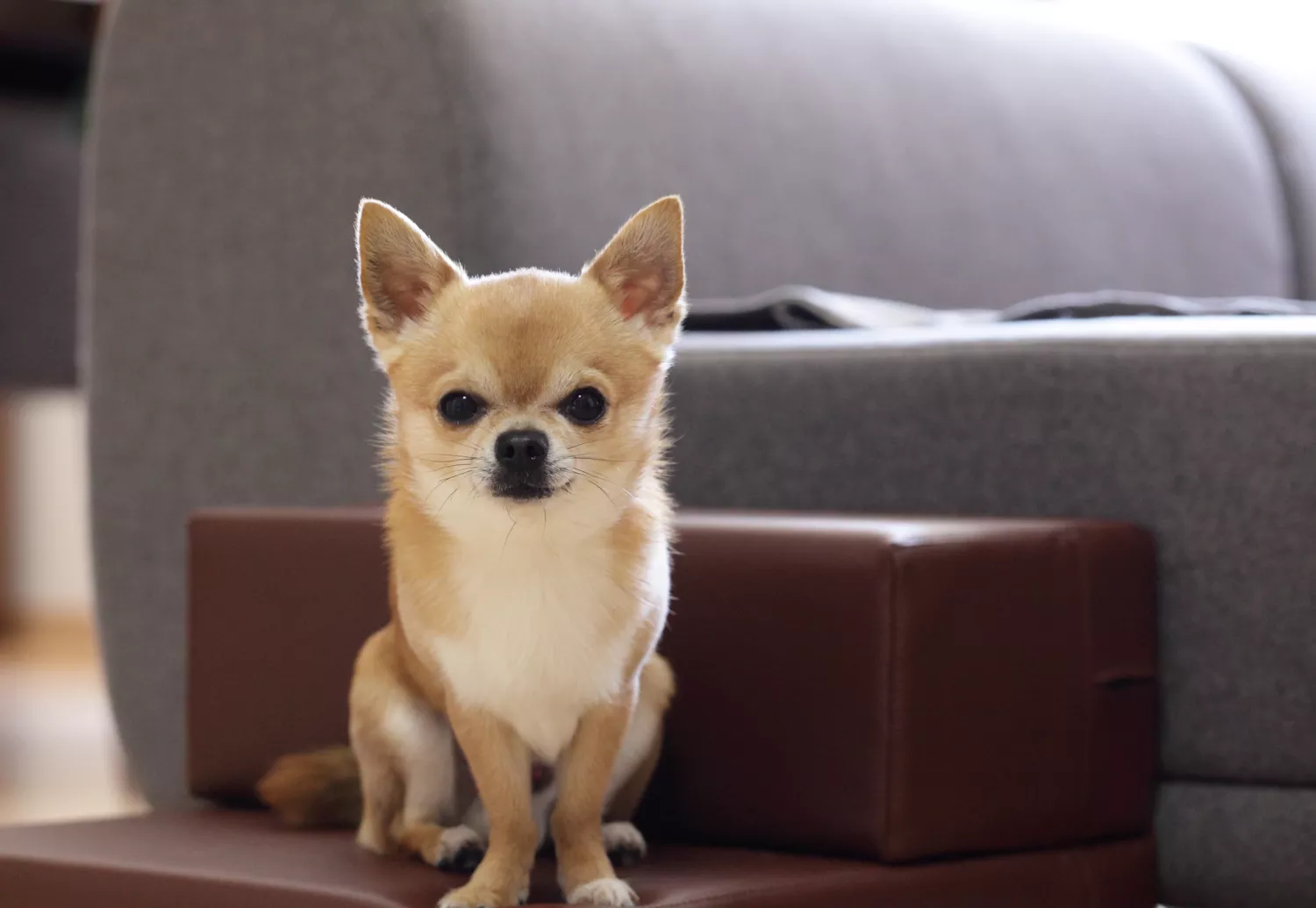
Chihuahuas pack lots of personality into a tiny frame. The breed has a medium to high energy level, requiring daily walks and play, but the petite size means a small apartment is adequate space. Some Chihuahuas can be a bit vocal, especially when they hear potential intruders, but with adequate training you can curb barking.
Breed Overview
06 of 15
Chinese Crested

The Chinese crested tends to be alert and affectionate, enjoying spending time with family. Their small size and medium energy level make these dogs another great option for apartments. Despite their delicate appearance, they are strong athletes. Dog sports and puzzle games are ideal to exercise their minds and bodies.
Breed Overview
07 of 15
Greyhound
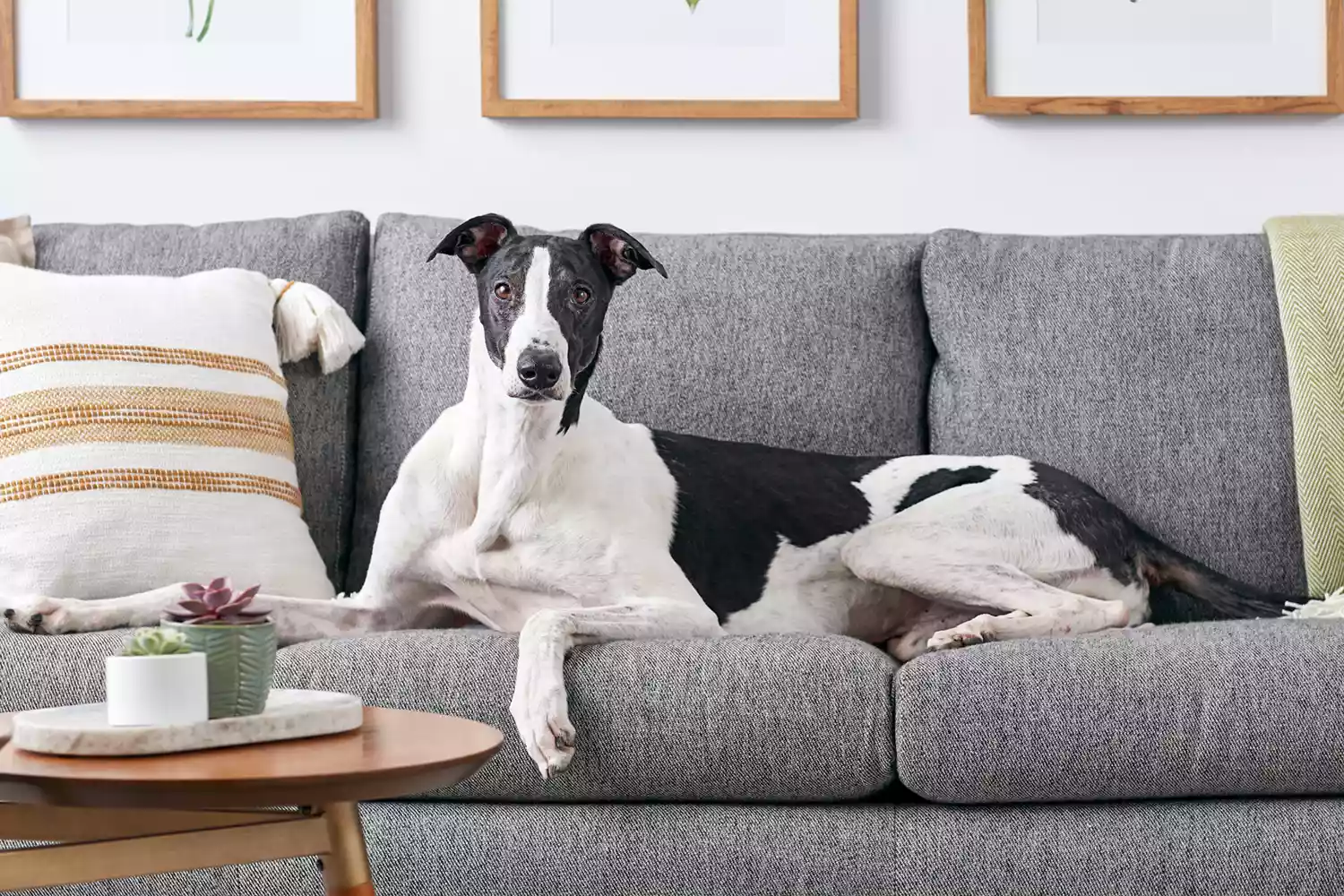
You might know them for racing, but greyhounds are couch potatoes at heart and make good condo dogs. Although they enjoy a good run, they don't have enough endurance to need more than daily walks. These dogs tend to be highly affectionate and might loudly complain when left alone. Training for separation anxiety can help.
Breed Overview
08 of 15
Maltese
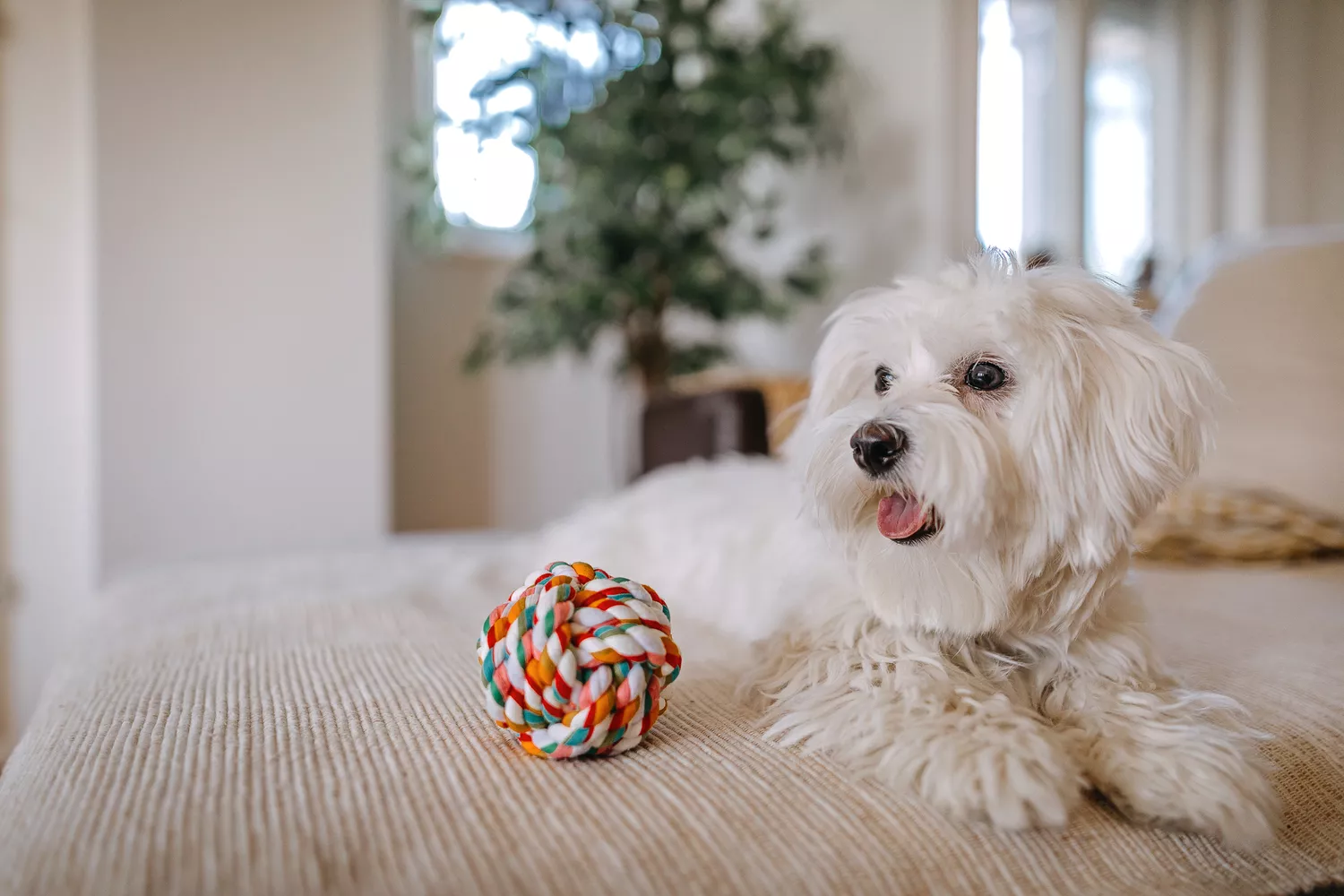
Playful yet gentle, the Maltese is a delight. They only require basic daily exercise, including a walk or two and playtime. In addition, the breed is less likely to be vocal compared to many other small dogs. This condo dog loves nothing more than sitting in your lap and showering you with affection.
Breed Overview
09 of 15
Poodle

Poodles of all sizes (toy, miniature, and standard) can do well in apartments. These dogs are intelligent and have moderate to high energy levels. Some poodles might need extra exercise to keep them happy in a small home. But fortunately, they tend to be disciplined and obedient with proper training.
Breed Overview
10 of 15
Shih Tzu

The shih tzu is a happy, affectionate, and playful little condo dog that only needs basic daily exercise and general training. These dogs tend to become closely bonded with their favorite humans. But if you must leave them at home, they'll likely be happily relaxing while they await your return.
Breed Overview
11 of 15
Italian Greyhound
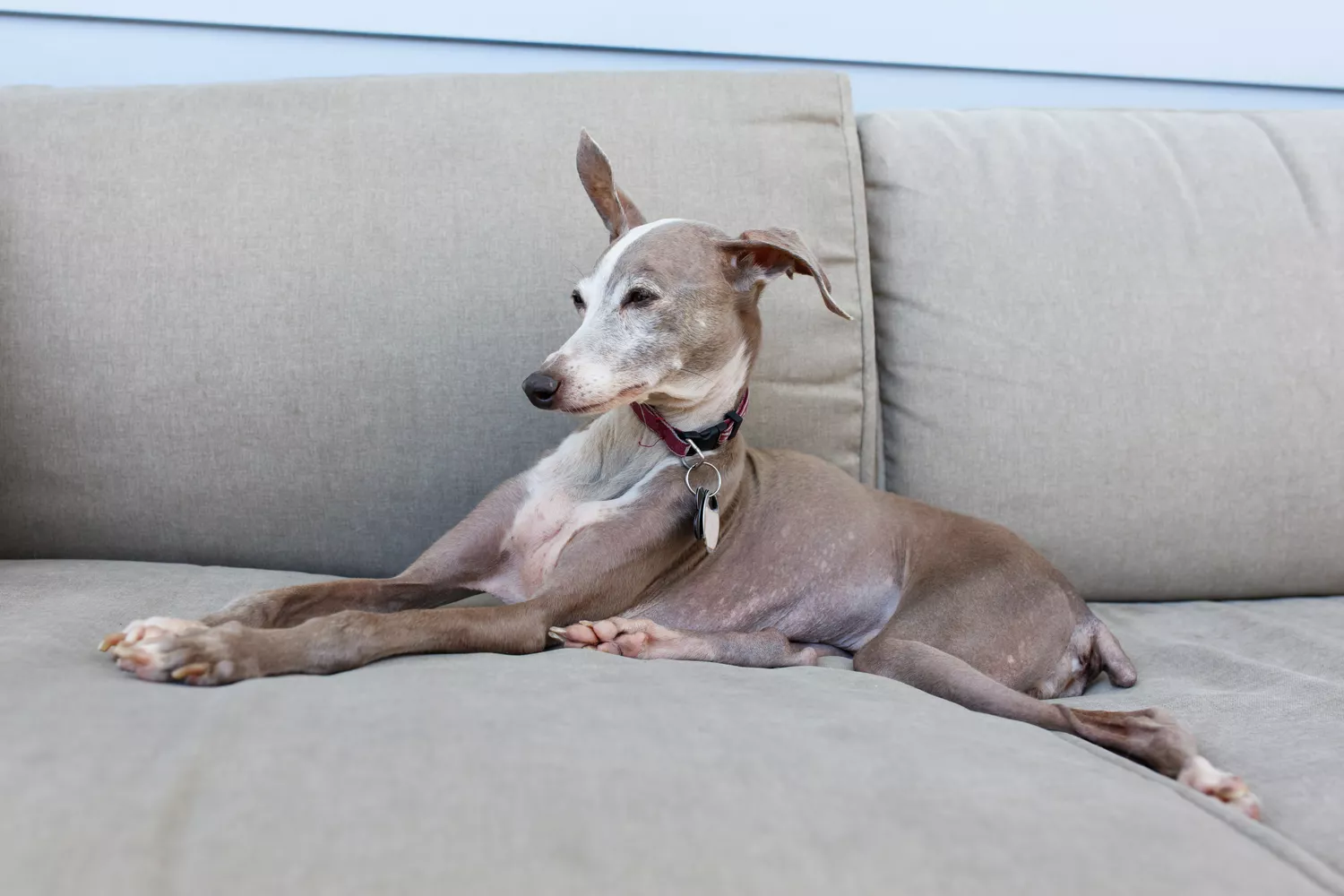
Italian greyhounds are miniature versions of greyhounds. They have similar qualities in a smaller package, but they weigh ten pounds versus 60 pounds. They are a little more manageable for new dog parents or those who gravitate towards smaller dog breeds. They are loving, cozy cuddlers but still like the occasional chance to go for sprint.
Breed Overview
12 of 15
French Bulldog

Frenchies are popular in the U.S., but they've been a top dog in the French countryside since the 1800s. These dogs only need a daily brisk walk each day to keep them in shape. These dogs keep quiet too; they rarely bark. For these reasons, they’re good condo dogs.
Breed Overview
13 of 15
Pug

Pugs are content to hang out at home. These love bugs are comical, loving, good-natured, and playful. The pug is a little dog with a big personality, so they are ideal for those who want a compact but active companion dog. The even-tempered demeanor of this breed also makes it a good choice for families with children.
Beware not to overwork this dog, as dogs with a flat face are prone to overheating in extreme temperatures.1 They are opportunistic eaters, so do not overfeed this breed for fear of this dog getting obese.
Breed Overview
14 of 15
Havanese

This playful, affectionate Cuban dog can thrive in an urban environment, smaller living quarters, or palatial estates. This 10-pound dog can adapt to living almost anywhere. Havanese dogs should get daily exercise, but do not need a lot of it. These dogs are content to cuddle on your lap or play indoors.
Breed Overview
15 of 15
Boston Terrier
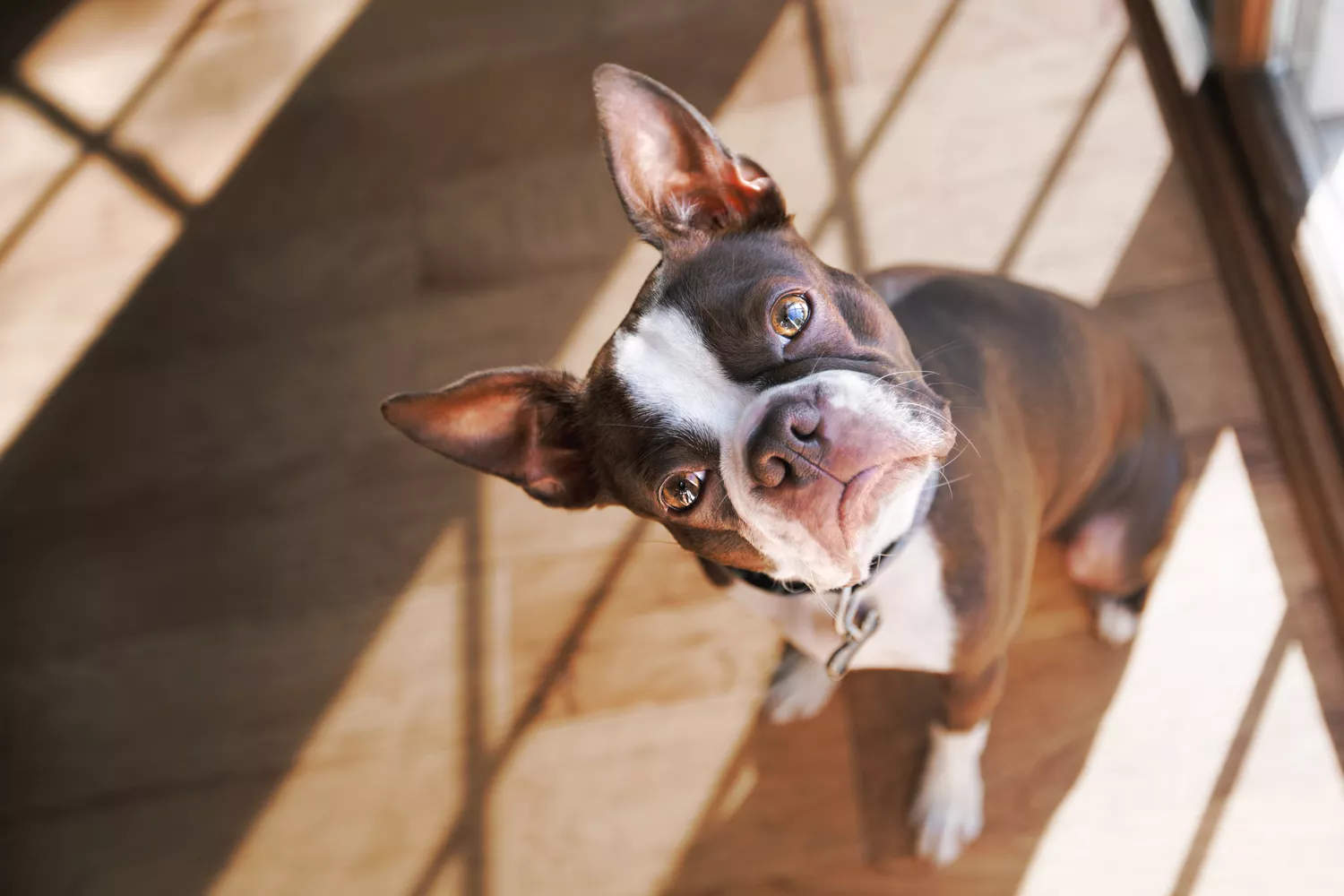
Boston terriers do not have extensive exercise requirements, but they do need some mental stimulation, enrichment, and attention. If they feel neglected, they can develop problem behaviors.2 They should still get at least one or two daily walks and might enjoy a canine agility course. Apartment and city living should be adequate for this breed.
Breed Overview
Breed Characteristics
Dogs that make the best apartment or condo dwellers are breeds that are generally quiet and have low to medium energy. Smaller dogs tend to fit better in these homes, although some toy breeds tend to be yippy breeds and are too noisy for homes that have close neighbors.
Breeds to Avoid
If you're on the hunt for a condo dog breed that can adapt well to apartment living, some dogs don't cut it. Dogs that need a lot of room to run, such as dalmatians, and herding dogs like German shepherds or briards will feel too shut-in and get bored easily. They require a lot of regular exercise and mental stimulation.
Another apartment no-no is an excessive barker or howler, such as a noisy beagle or a Finnish spitz, the king barking dog of the canine world. Finkies have the unique ability to bark up to 160 barks per minute.3



