10 Worst Dog Breeds for Allergies: Avoid These Triggers
Certain dog breeds are more prone to trigger allergic reactions in people. On the other hand, some breeds are considered hypoallergenic and may be a better choice for those with allergies. Let’s explore why certain dogs should be avoided by allergy sufferers.
Many people think that less hair on a dog means fewer allergies. However, it’s not the hair that’s the problem but the proteins in their dander, saliva, and urine. All dogs produce dander, which is dead skin that flakes off. Dander attaches to dog hair, so heavily shedding breeds leave more dander in the home. Breeds that drool a lot can also spread more saliva, causing issues for allergy sufferers.
The following 10 popular dog breeds are most likely to trigger allergic reactions in people.
Find Out Which Big Dog Breeds Don’t Shed (Some Are Hypoallergenic!)
01 of 10
Basset Hound
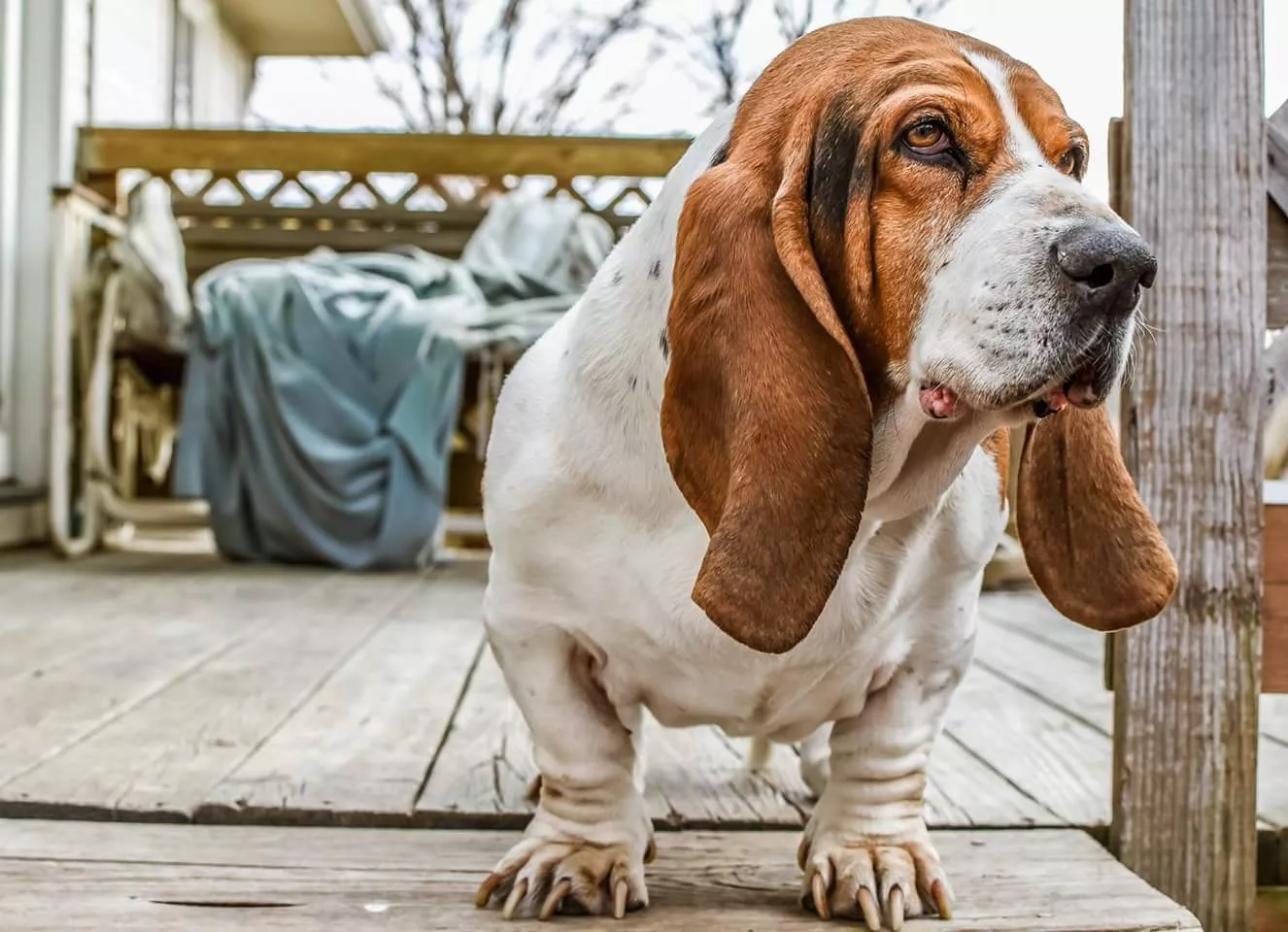
Basset hounds are sweet, lovable, and mild-mannered but have a stubborn streak. While they are popular, they aren’t ideal for allergy sufferers. They have large jowls and skin folds and drool a lot, increasing saliva exposure on furniture and skin. Additionally, despite their short coats, bassets shed heavily, leaving more hair and dander in the home.
Breed Overview
02 of 10
Doberman Pinscher
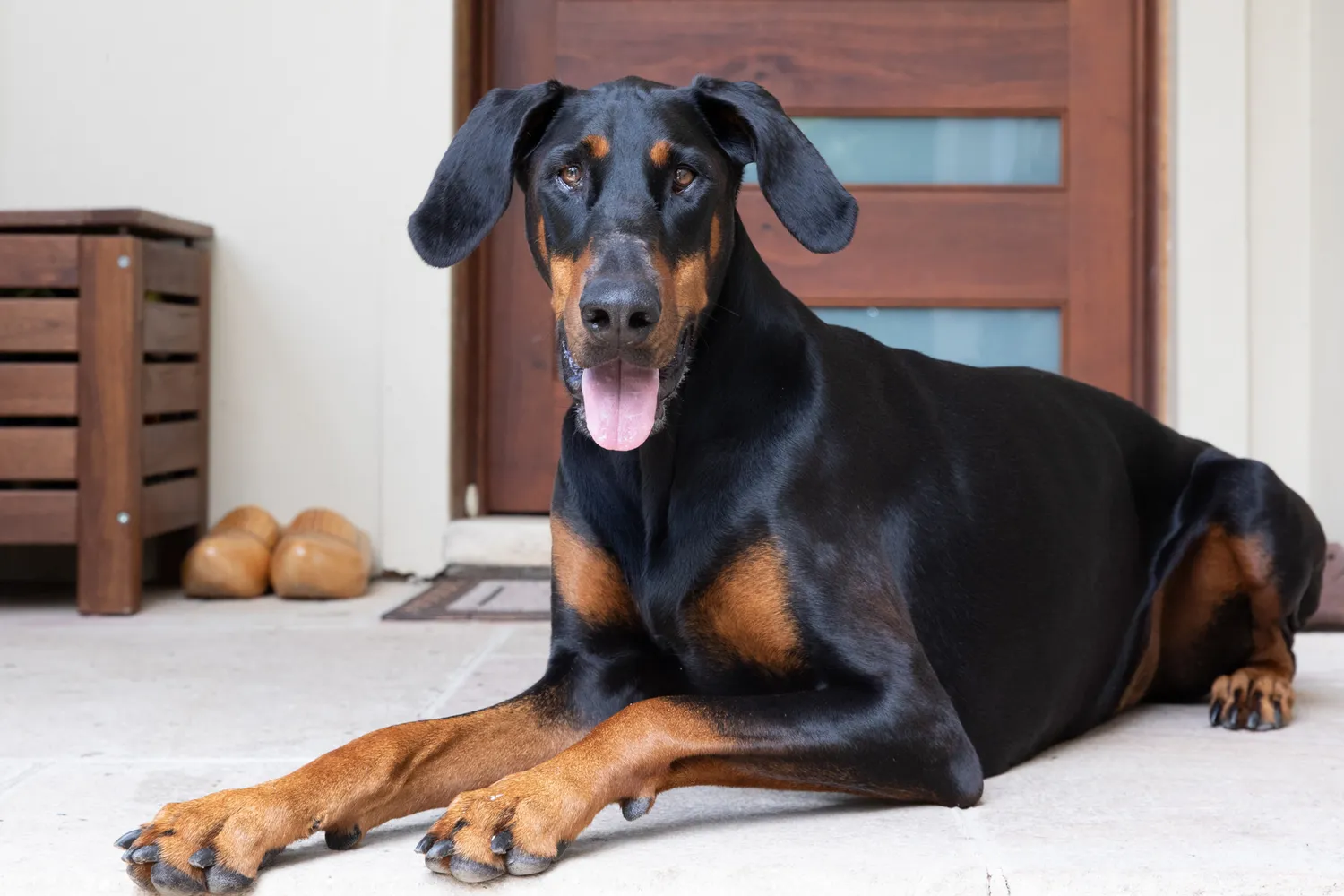
If you are a big dog lover looking for a smart and trainable protector, a Doberman would be a perfect choice—as long as you don’t have allergies. This breed frequently triggers flare-ups. These dogs have a thin, single coat, and their shedding is moderate rather than excessive, but they’re big dogs with more hair and dander. Dobies are also prone to allergies and skin sensitivities, more than your average breed. Dog skin allergies mean dry and flaky skin and larger amounts of dander deposits around the house.
Breed Overview
03 of 10
German Shepherd
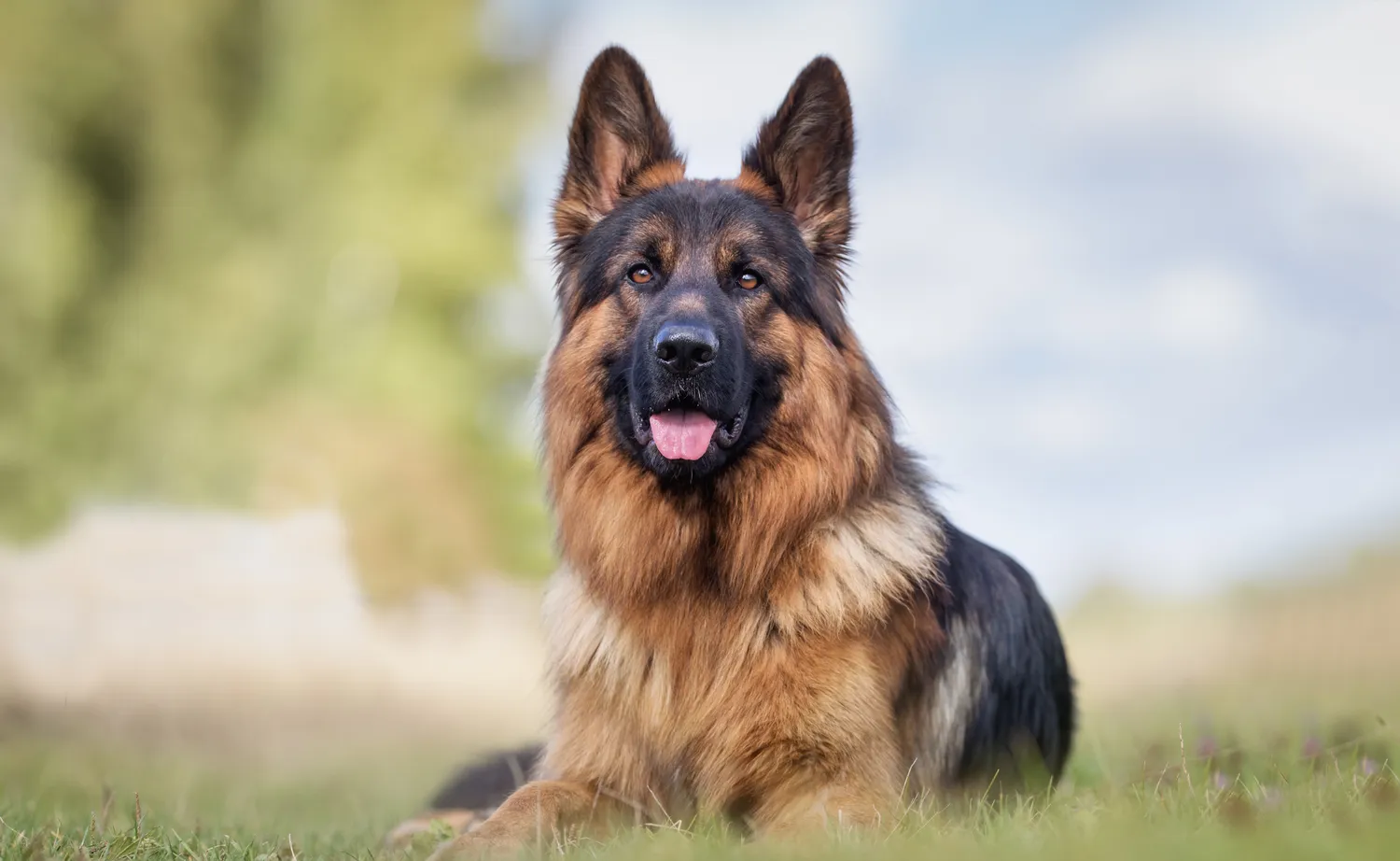
German shepherds are one of the most enduringly popular breeds. They’re smart, eager to please, devoted, and brave. Unfortunately, this dog has been known to trigger bad allergic reactions. They’re one of the most excessive shedders, regardless of whether you get a long- or a short-haired one. Their hairs get everywhere, especially when they drop their coat twice a year. This big dog sheds masses of hair, which inevitably results in a lot of dander in the environment.
Breed Overview
04 of 10
Siberian Husky
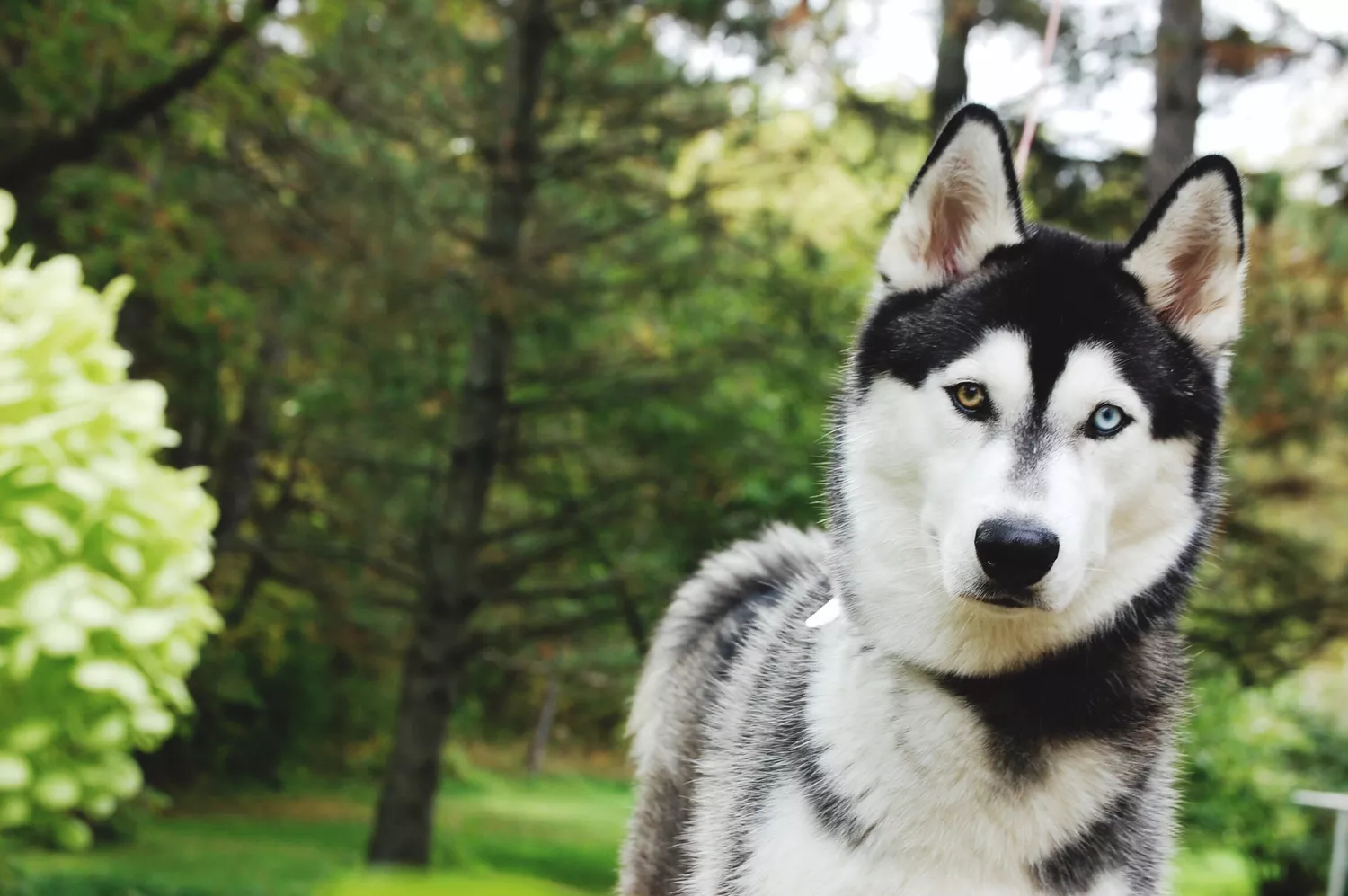
Huskies are another prevalent breed. Strikingly beautiful, athletic, and friendly, they are well-suited to very active households but can be problematic if there is a person with allergies in the home. Huskies and other double-coated breeds are known for depositing masses of hair around the home. Their thick layers of fur keep them warm in their native Arctic homelands. These dogs often top the list of excessive shedders.
Breed Overview
05 of 10
Labrador Retriever
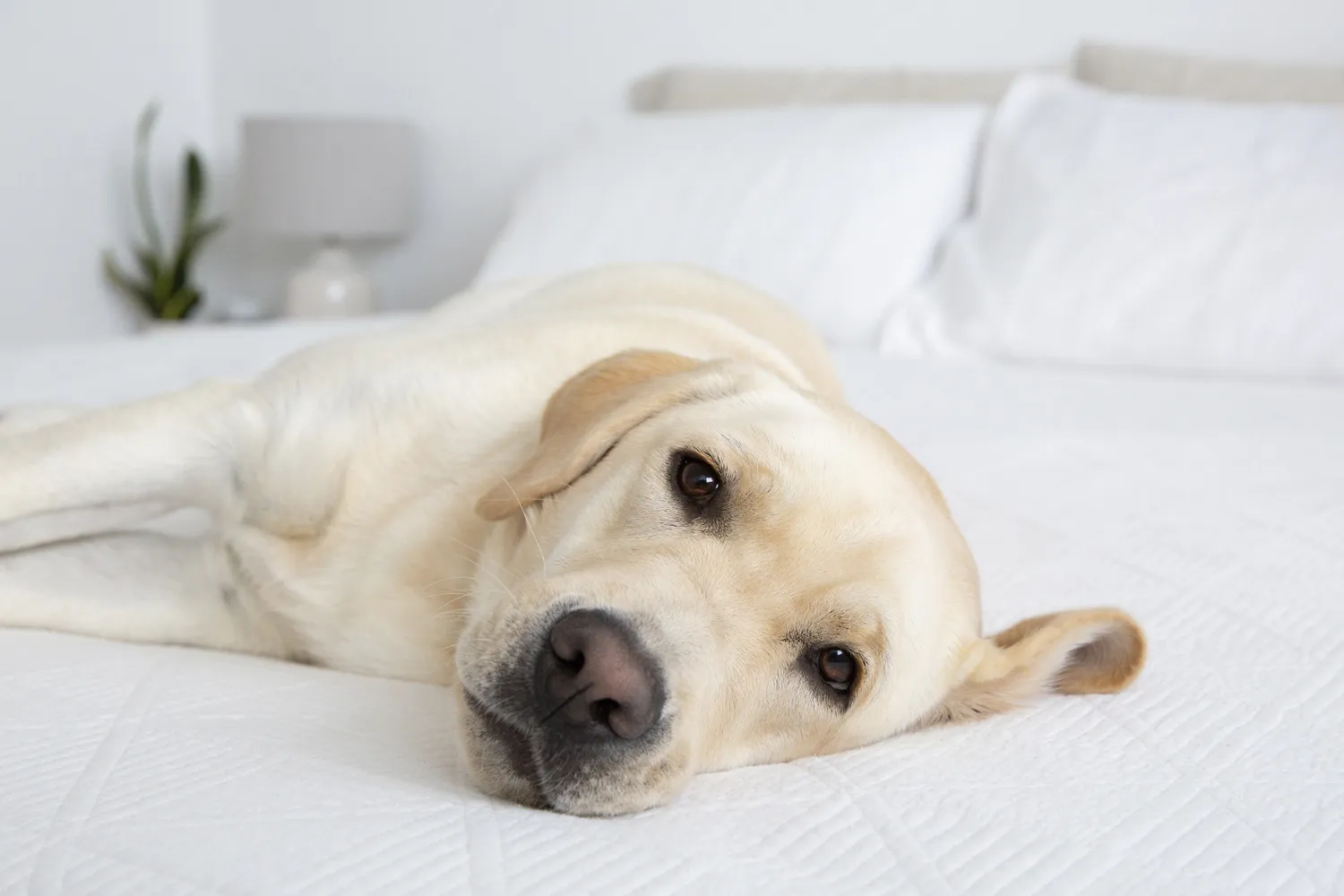
The Labrador retriever tops the American Kennel Club’s list of most popular breeds almost every year. These dogs are smart, loyal, wonderful family pets. Sadly, however, they are known for frequently triggering human allergies. Their double coat may be relatively short, but it’s dense and sheds profusely. They’re also known for often suffering from dry, flaky skin. The silver lining is that if you let your water-loving Lab swim frequently, it may reduce the dander concentration level in the home’s air, potentially decreasing the frequency of allergy flare-ups.
Breed Overview
06 of 10
Pekingese
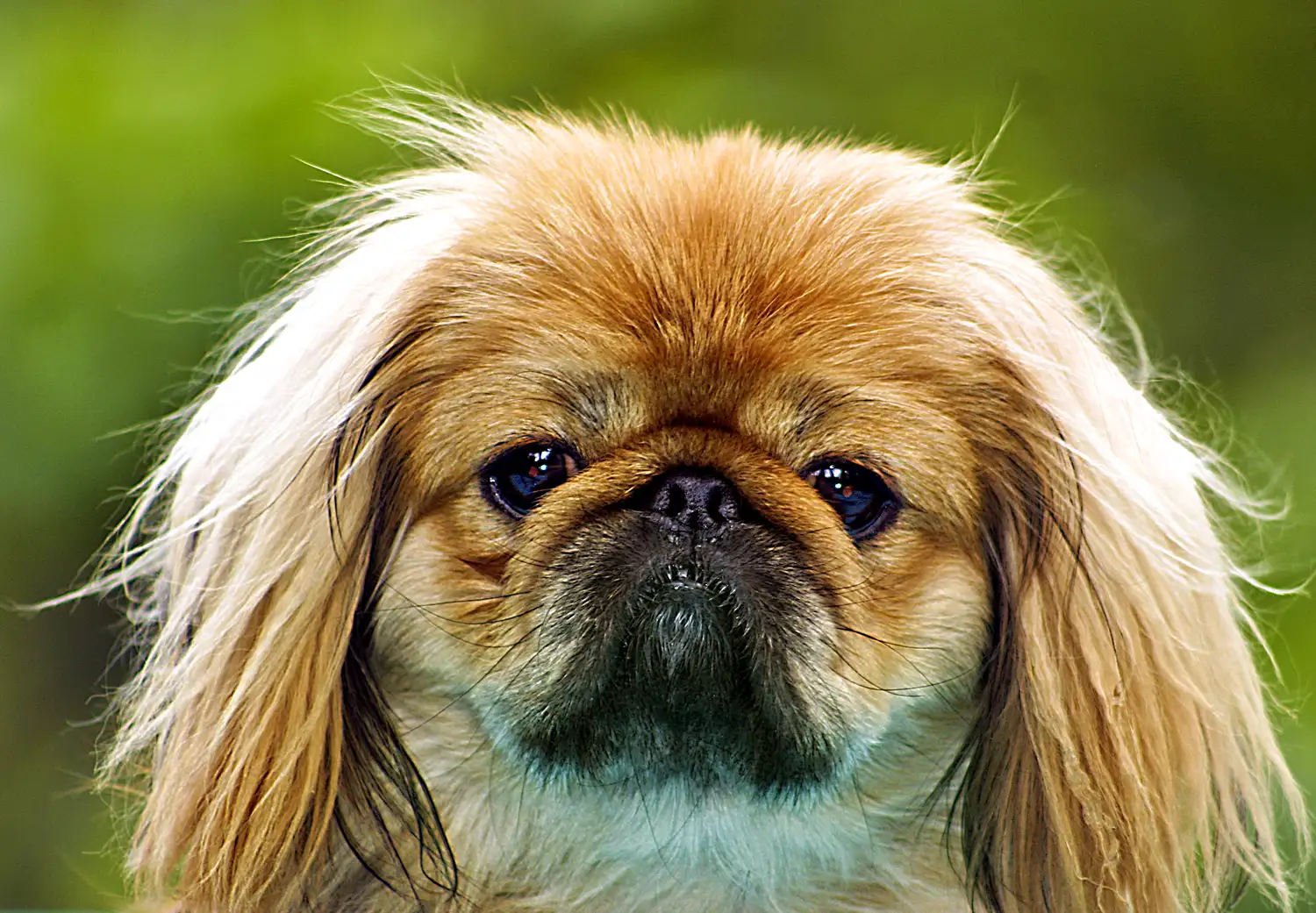
Pekingese fans love this breed for their affectionate, loyal, and spirited personalities. Their long shedding coat presents a problem for people with allergies, though, and the breed is known for being rather stubborn when it comes to housetraining. Dander and saliva aren’t the only allergy triggers; dog urine is, too. If your Peke is marking around the house, this behavior increases the chances of allergy flare-ups. A good enzymatic stain and odor remover will be necessary for your cleaning arsenal to neutralize traces of urine.
Breed Overview
07 of 10
Pug
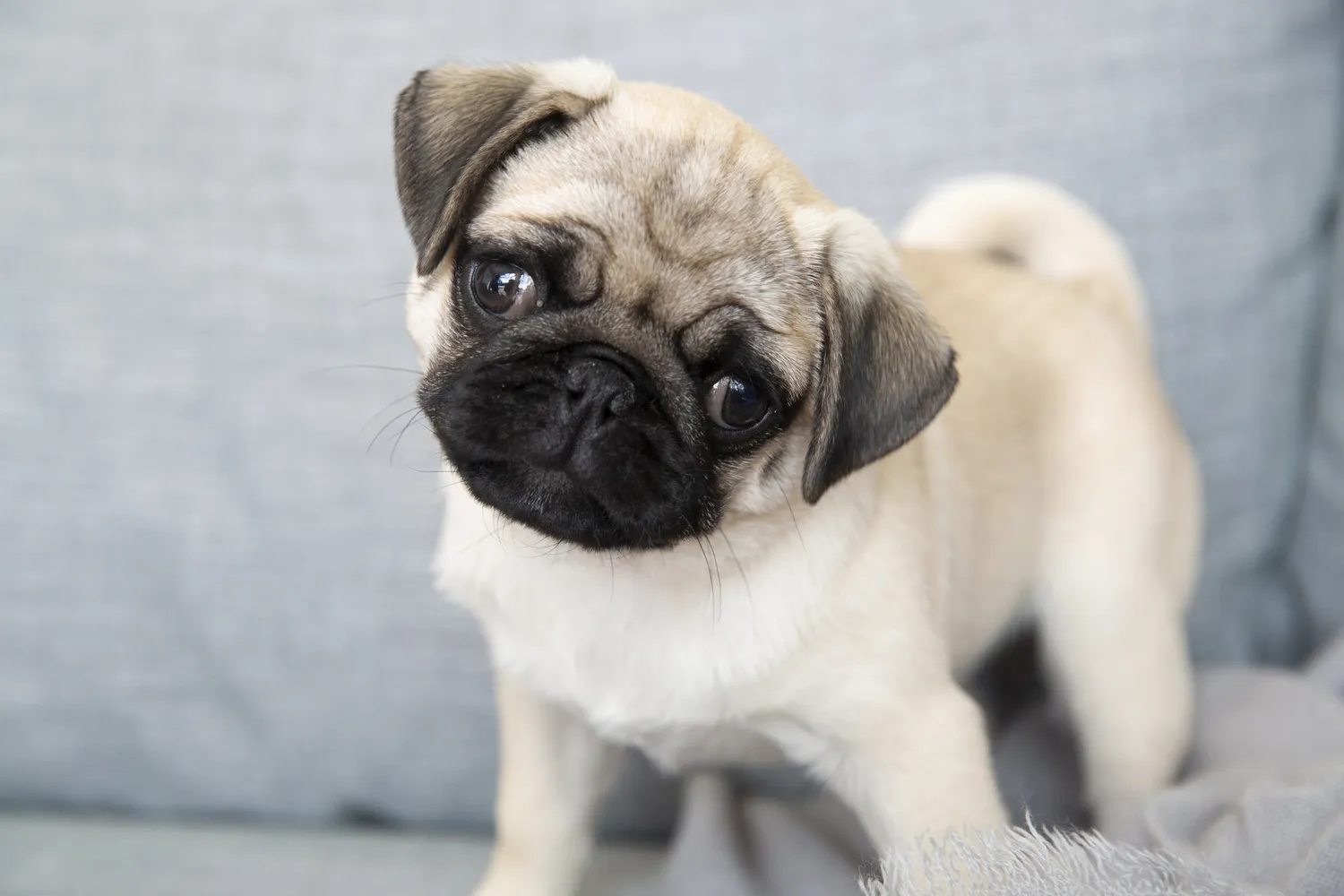
Pugs are small, short-coated dogs that shed year-round. Their wrinkled, flat snout is prone to gathering a lot of slobber around their jowls. Pugs are also prone to having sensitive skin and are susceptible to allergies, resulting in dry skin and more dander. Their skin folds can contribute to the development of bacterial infections, too. If your pug is itchy and uncomfortable, they are more likely to rub up against soft furnishings and carpets.
Breed Overview
08 of 10
Saint Bernard
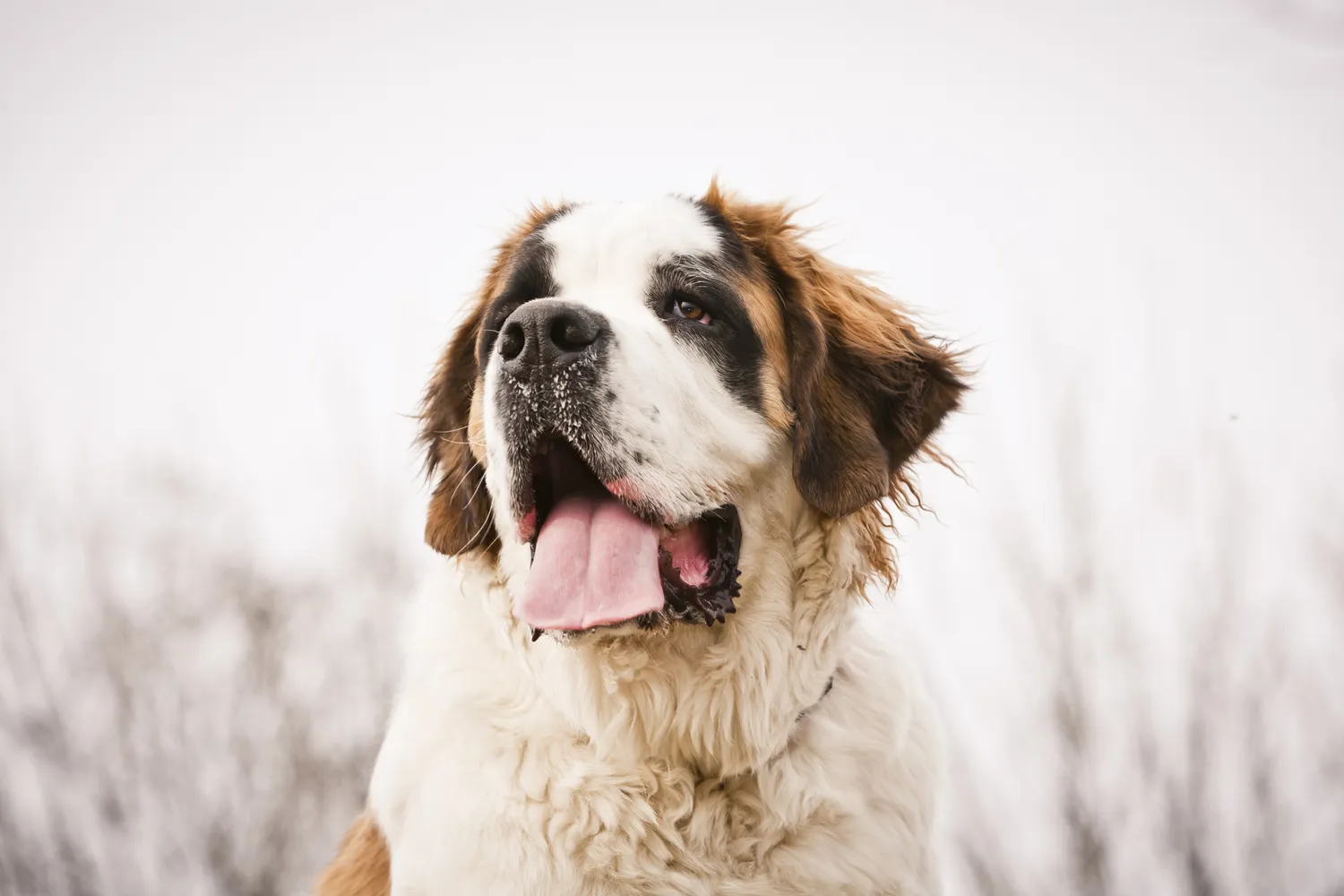
Saint Bernards are sometimes called nanny dogs because of their gentle and loyal temperament, especially with families. Still, they are the triple whammy when it comes to potentially triggering allergies. They’re a giant breed. The bigger the dog, the more dander produced. This breed sheds a lot, circulating dander all over the home. And, when it comes to dog drool, few dogs will beat Saint Bernards in this department. Saliva gets everywhere with this breed.
Breed Overview
09 of 10
Cocker Spaniel
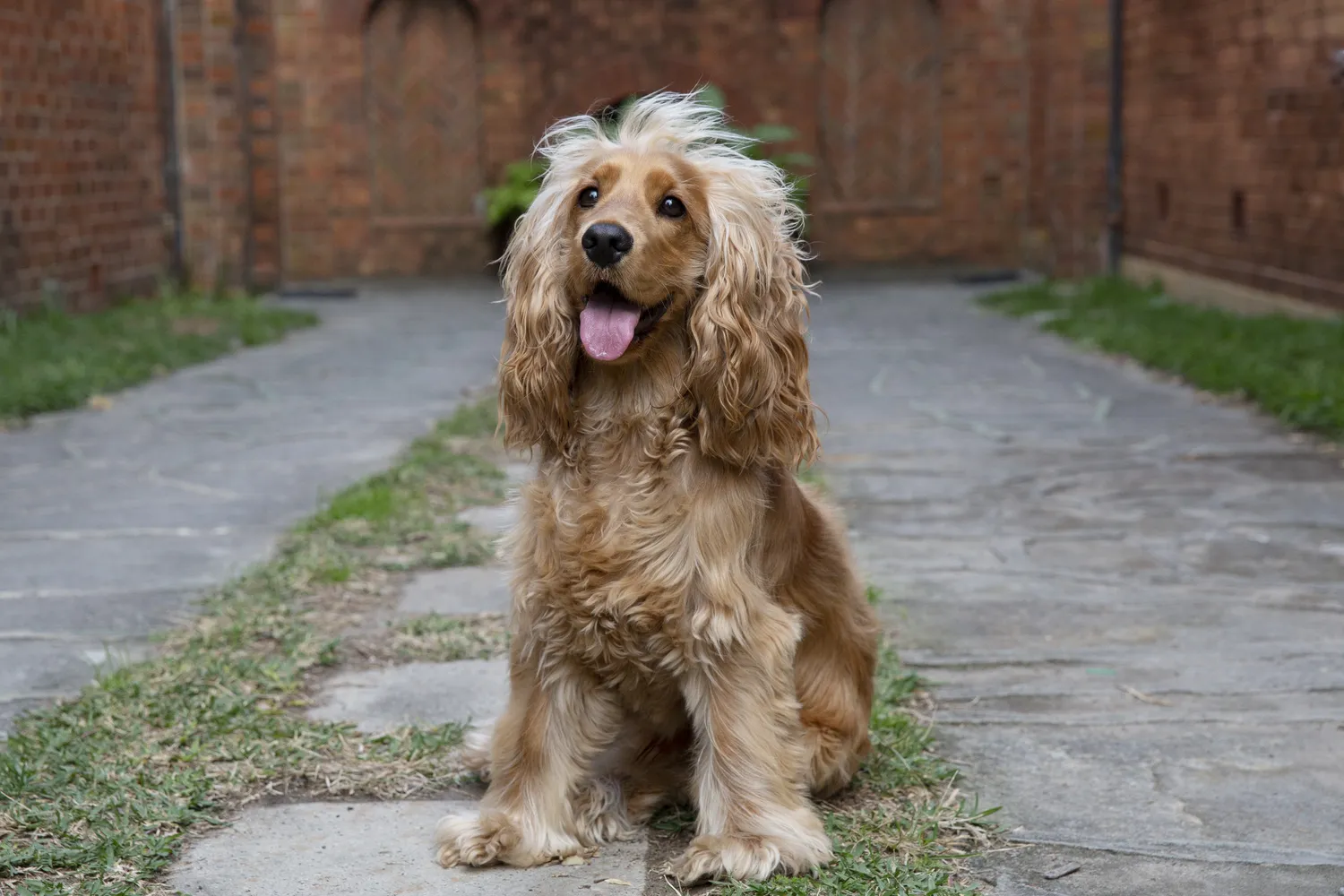
Cocker spaniels (and other spaniel breeds) were bred as bird-hunting dogs. Over time, they evolved into the perfect mid-sized family dog, except if you have allergies. These dogs have stunning, long-haired coats that shed dander from their fur, and they tend to drool, too. This breed is also prone to skin allergies, which can ultimately lead to even more dander getting spread into the air.
Breed Overview
10 of 10
Boxer
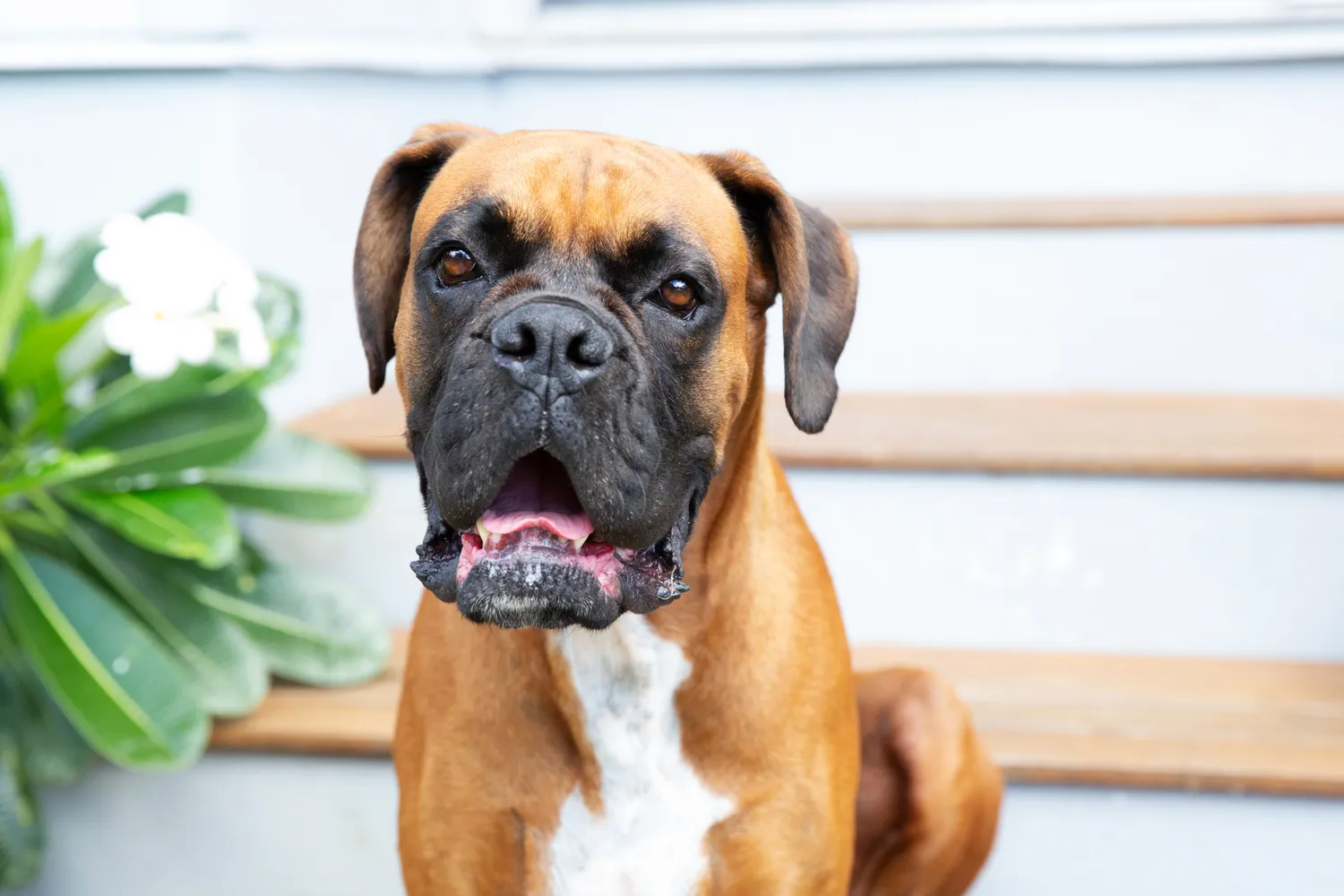
Boxers are energetic and well-matched for families with playful, young children. They drool a lot and lick their fur and skin often, leaving dried-on saliva on their coat. Boxers shed their dander-laden, short-haired hair year-round. These are all red flags for allergy sufferers.
Breed Overview
Breeds to Consider
You know the dogs you should avoid if you have allergies, but what if you have mild allergies and wish to consider less problematic dogs? Before you get a dog, look into curly-haired breeds or visit the home of a poodle, bichon frise, or Portuguese water dog; these breeds do not drool much, if at all, and shed less than others.



