The Ultimate Guide to Types of Dogs: Find Your Perfect Breed from Over 340 Breeds
Dog breeds vary in ancestry, look, size, purpose, and temperament, creating diverse types of dogs. Some are bred solely for companionship, while others are developed for hunting, herding, or competing.
Sporting Group dogs were bred to be hunters best sidekicks. They help find, flush, catch, or retrieve feathered game like pheasants and ducks. Hunters rely on these dogs to retrieve upland game birds or waterfowl
The Sporting Group includes four main types: spaniels, pointers, retrievers, and setters.
Sporting Group
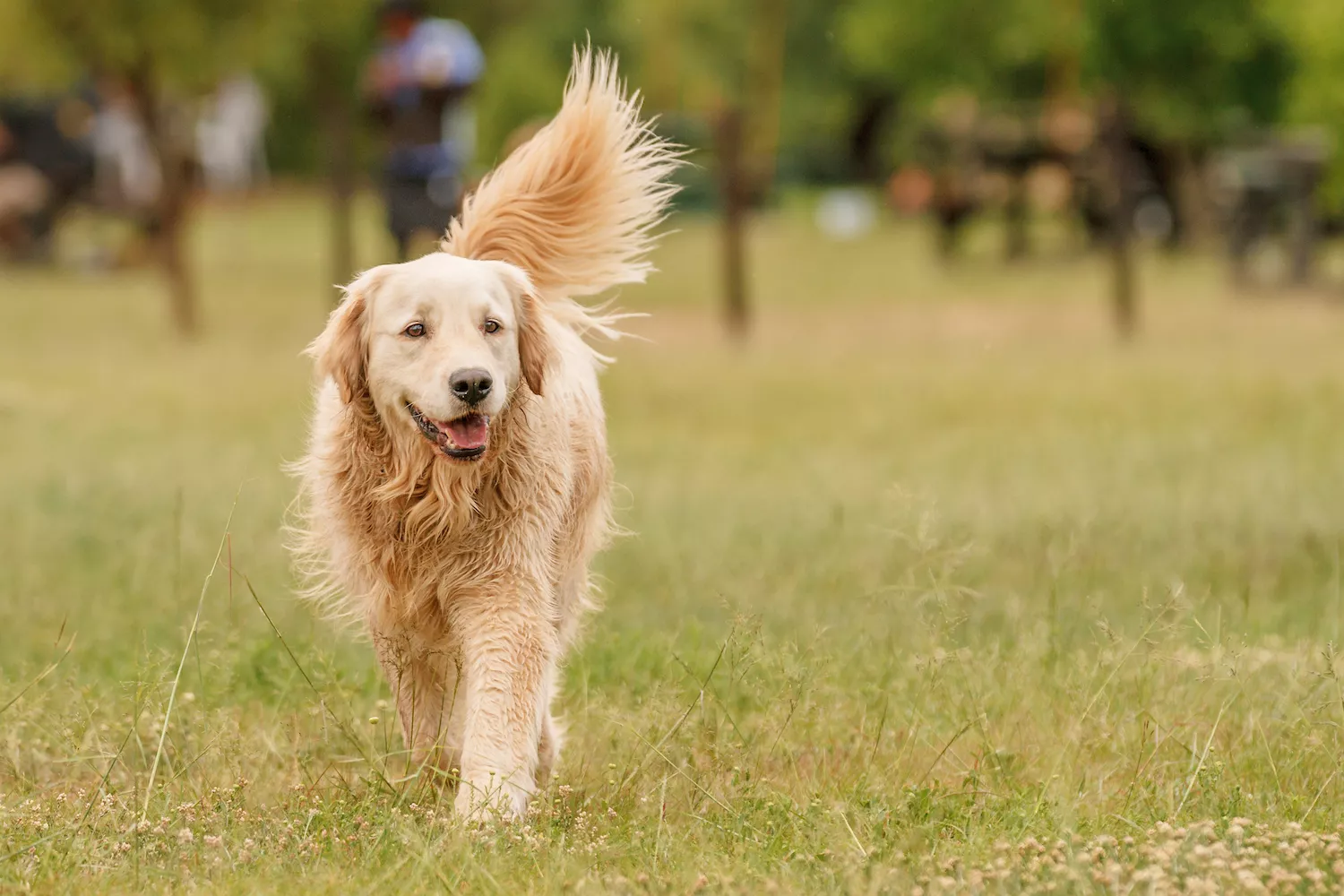
Dogs in the Sporting Group were bred to be a hunter’s best sidekick; their purpose is to assist with finding, flushing, catching, or retrieving feathered game such as pheasants or ducks. Human hunters rely on these canines’ help with retrieving upland game birds or waterfowl.
There are four basic types of sporting dogs: spaniels, pointers, retrievers, and setters.
Some of the breeds in this group, such as retrievers, are especially adept at swimming and specialize in waterfowl like ducks, while setters, spaniels, and pointing breeds are known experts in hunting quail, pheasant, and other game birds in the grasslands.
All the Sporting Group dogs are naturally active and alert with stable temperaments. They also make lovable, well-rounded pets, and are the perfect addition to active families because they require plenty of exercise and time spent outdoors.
American water spaniel
Barbet
Boykin spaniel
Bracco Italiano
Brittany
Chesapeake Bay retriever
Clumber spaniel
Cocker spaniel
Curly-coated retriever
English setter
English springer spaniel
Field spaniel
Flat-coated retriever
German shorthaired pointer
German wirehaired pointer
Golden retriever
Gordon setter
Irish setter
Irish water spaniel
Labrador retriever
Lagotto Romagnolo
Nederlandse Kooikerhondje
Nova Scotia duck tolling retriever
Pointer
Spinone Italiano
Sussex spaniel
Vizsla
Weimaraner
Welsh Springer spaniel
Wirehaired pointing griffon
Wirehaired vizsla
Hound Group
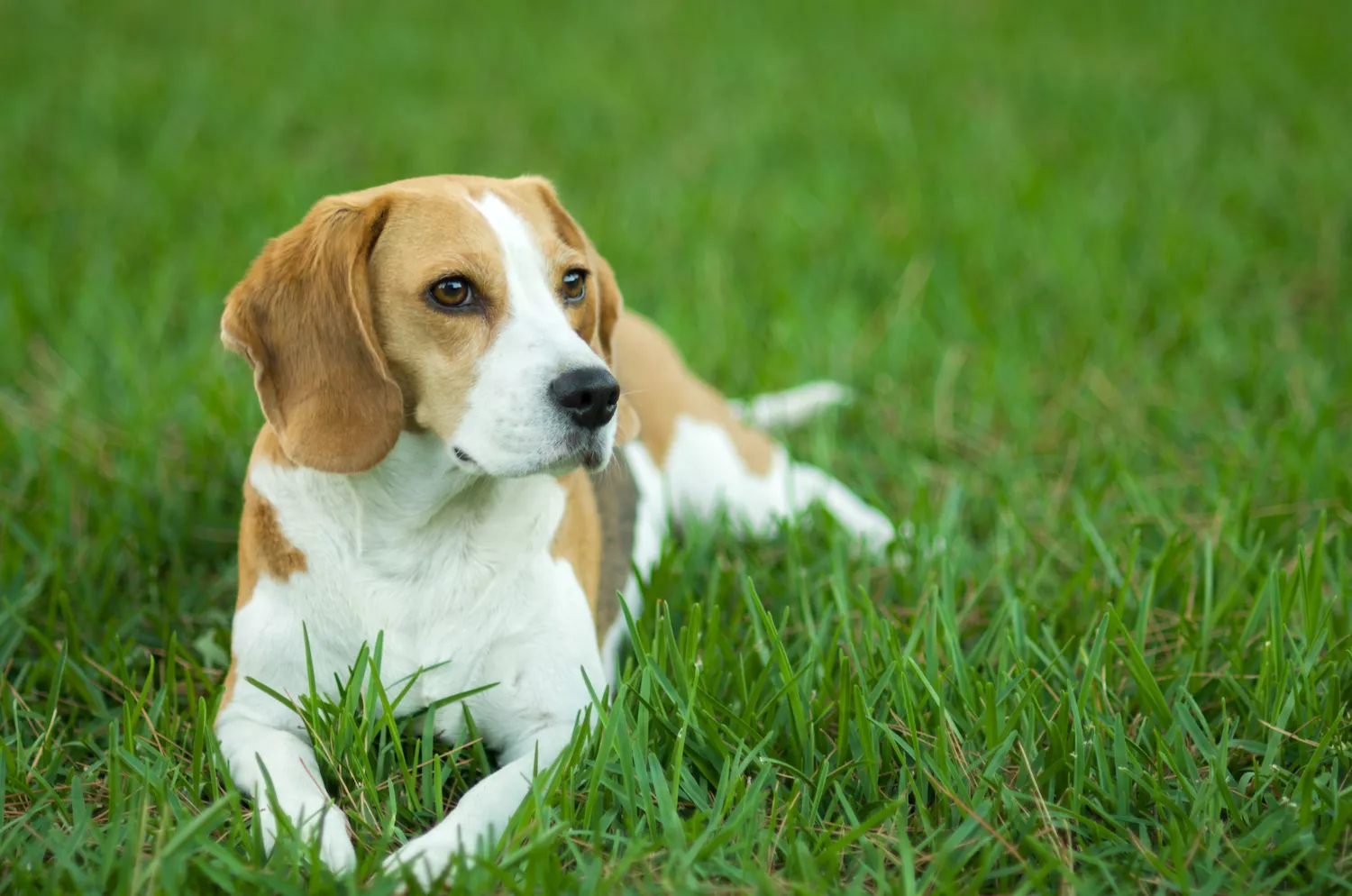
In 1930, the AKC introduced the Hound Group to include dogs that were specifically bred to pursue warm-blooded quarry, such as rabbits, raccoons, or even antelope, in contrast to the sporting breeds, which generally hunt birds.
Though hounds all share their astute hunting skills, this group encompasses a diverse array of breeds, some of which rely more heavily on scent to track game and some of which rely more on vision and speed.
At home, they’re generally charming, affectionate dogs who make loyal companions who are occasionally prone to a stubborn streak).
Afghan hound
American English coonhound
American foxhound
Azawakh
Basenji
Basset hound
Beagle
Black and tan coonhound
Bloodhound
Bluetick coonhound
Borzoi
Cirneco dell’Etna
Dachshund
English foxhound
Grand Basset Griffon Vendéen
Greyhound
Harrier
Ibizan hound
Irish wolfhound
Norwegian elkhound
Otterhound
Pharaoh hound
Plott hound
Portuguese Pondengo Pequeno
Redbone coonhound
Rhodesian ridgeback
Saluki
Scottish deerhound
Sloughi
Treeing Walker coonhound
Toy Group
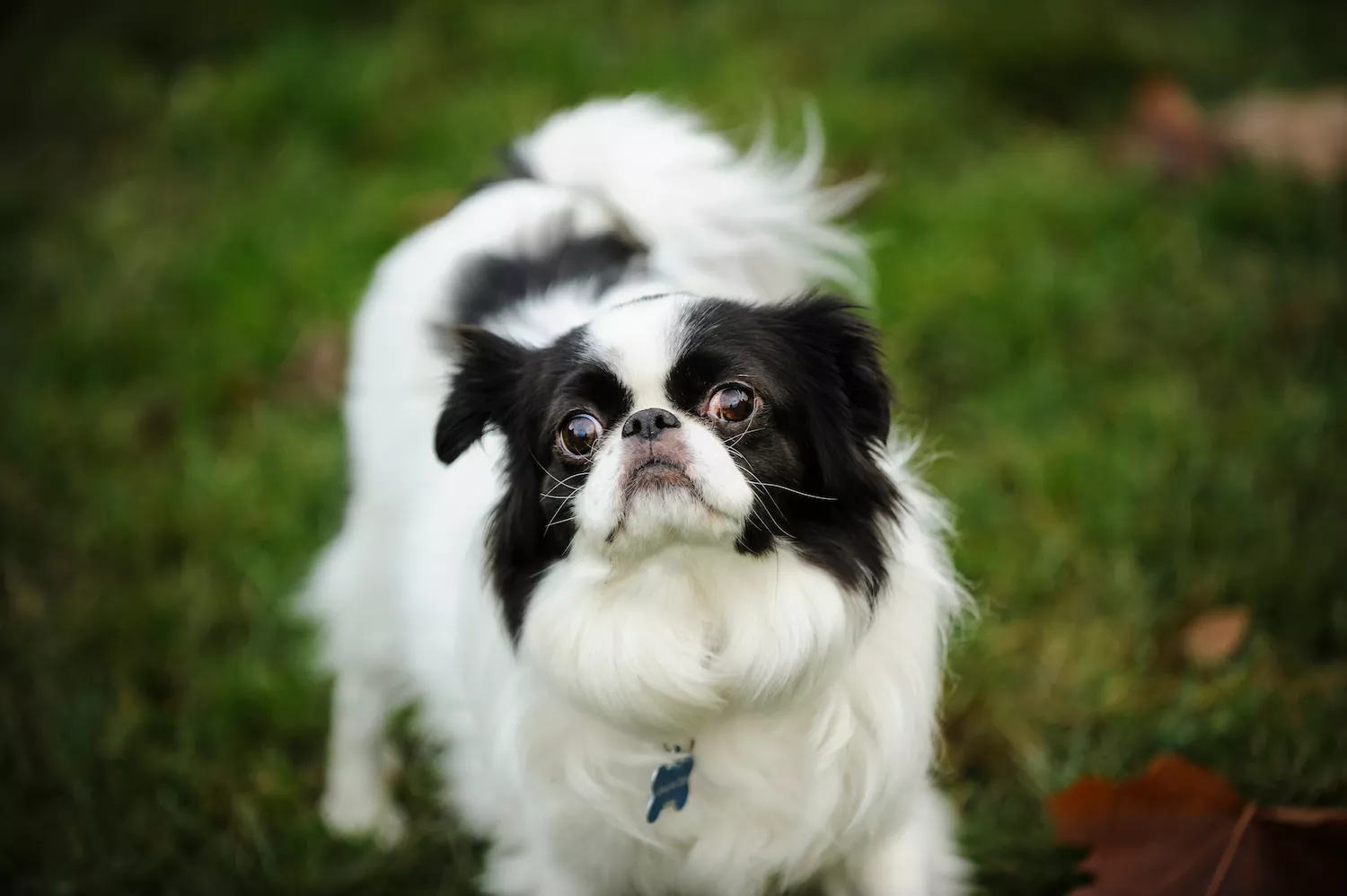
While they might resemble adorable toys, the dogs in the Toy Group are just as much canine as their larger cousins in the other breed groups. In existence for centuries, the toy breeds were bred for the purpose of serving as companions for their families.
These small, easily portable dogs can be most often found sitting in the lap of their humans—or being carried around in arms, purses, or bags. Ideal for apartment living or anyone with limited space, these dogs still have big personalities. They are intelligent, sociable, and full of energy.
Affenpinscher
Brussels griffon
Cavalier King Charles spaniel
Chihuahua
Chinese crested
English toy spaniel
Havanese
Italian greyhound
Japanese chin
Maltese
Miniature pinscher
Papillon
Pekingese
Pomeranian
Toy poodle
Pug
Russian toy
Shih tzu
Silky terrier
Toy fox terrier
Yorkshire terrier
Non-Sporting Group
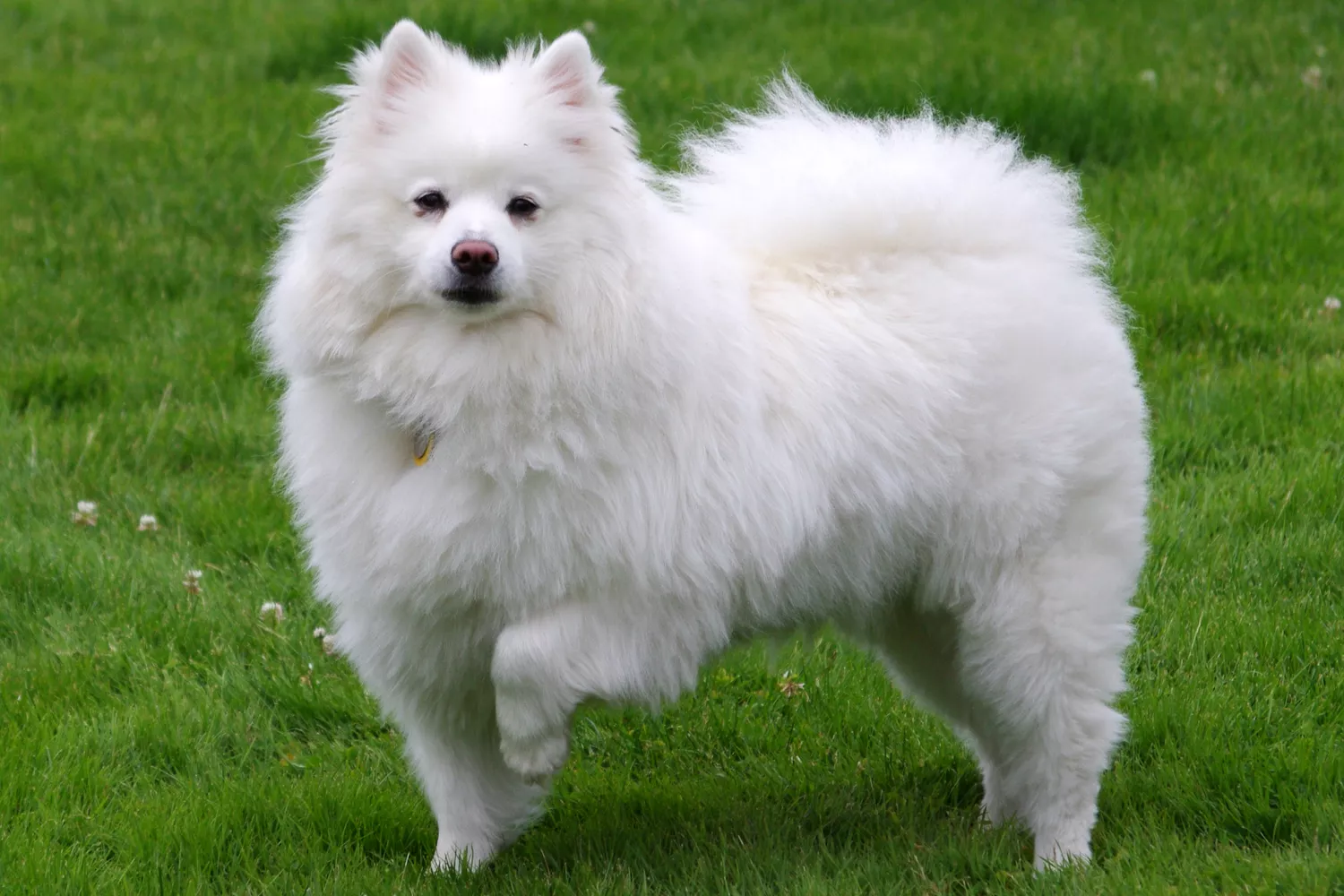
A group for dogs that don’t quite fit anywhere else, the Non-Sporting Group encompasses a variety of breeds. These pups run the gamut in size, function, and history.
Most of these dogs make generally good house dogs and watchdogs, but with breeds ranging from the French bulldog to the poodle, their differences are so vast that it makes it difficult to generalize their individual traits.
American Eskimo dog
Bichon frise
Boston terrier
Bulldog
Chinese shar-pei
Chow chow
Coton de Tulear
Dalmatian
Finnish spitz
French bulldog
Keeshond
Lhasa apso
Löwchen
Norwegian lundehund
Poodle
Schipperke
Shiba Inu
Tibetan spaniel
Tibetan terrier
Xoloitzcuintli
Working Group
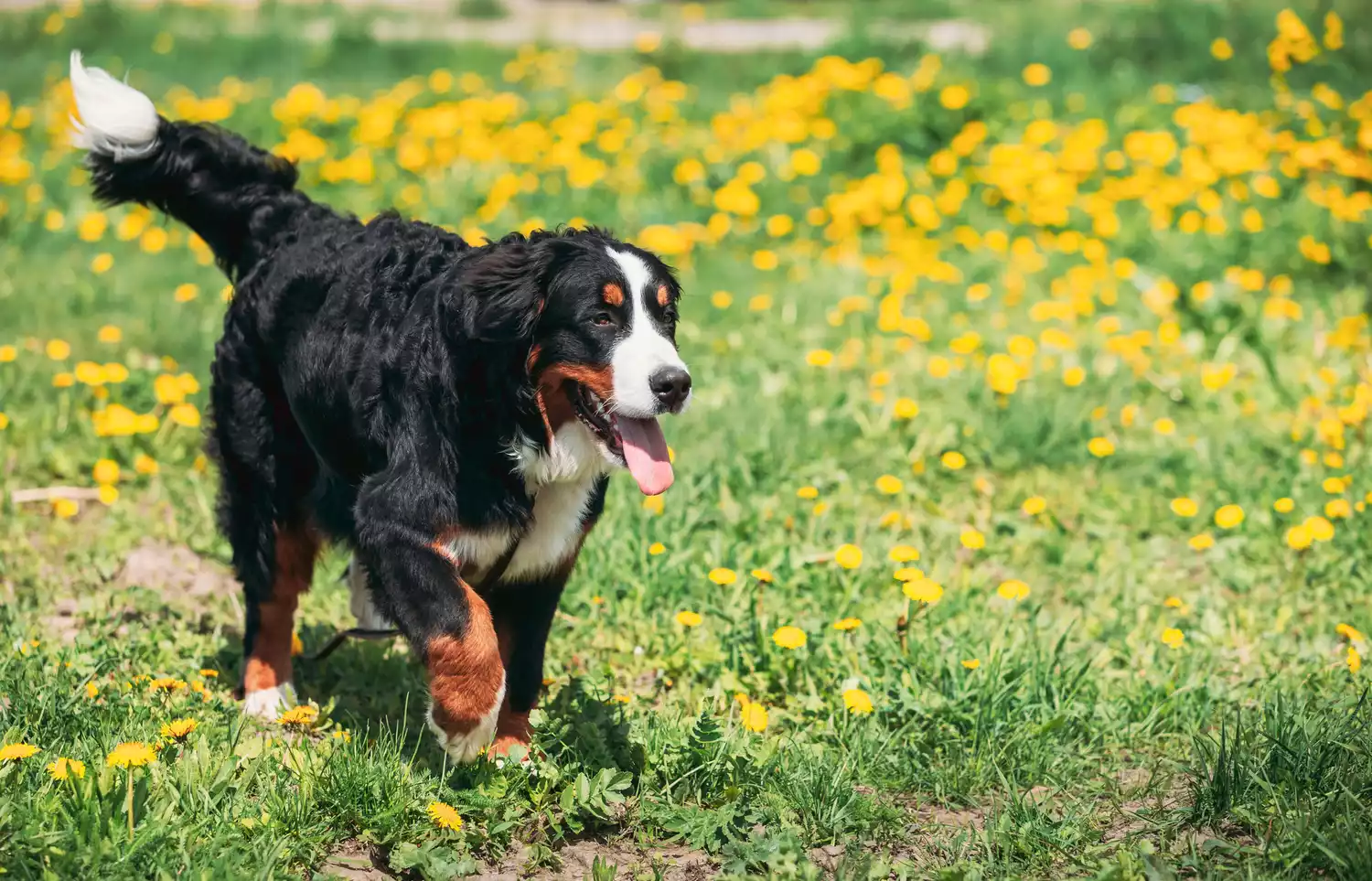
Working Group dogs were bred to perform specific jobs related to guarding property, rescuing, and drafting. Arguably the hardiest breeds in the canine community, they make dependable, loyal pets with incredible intelligence and energy.
However, because of their large sizes, powerful bodies, and protective personalities, it is very important to properly socialize and train dogs in these breeds.
While the appearances and jobs of the dogs in this group vary, most are powerful and intelligent, and can be relied on to perform rescues and any other tasks to protect their families.
Akita
Alaskan malamute
Anatolian shepherd dog
Bernese mountain dog
Black Russian terrier
Boerboel
Boxer
Bullmastiff
Cane corso
Chinook
Doberman pinscher
Dogo Argentino
Dogue de Bordeaux
German pinscher
Giant schnauzer
Great Dane
Great Pyrenees
Greater Swiss mountain dog
Komondor
Kuvasz
Leonberger
Mastiff
Neapolitan mastiff
Newfoundland
Portuguese water dog
Rottweiler
Saint Bernard
Samoyed
Siberian husky
Standard schnauzer
Tibetan mastiff
Herding Group
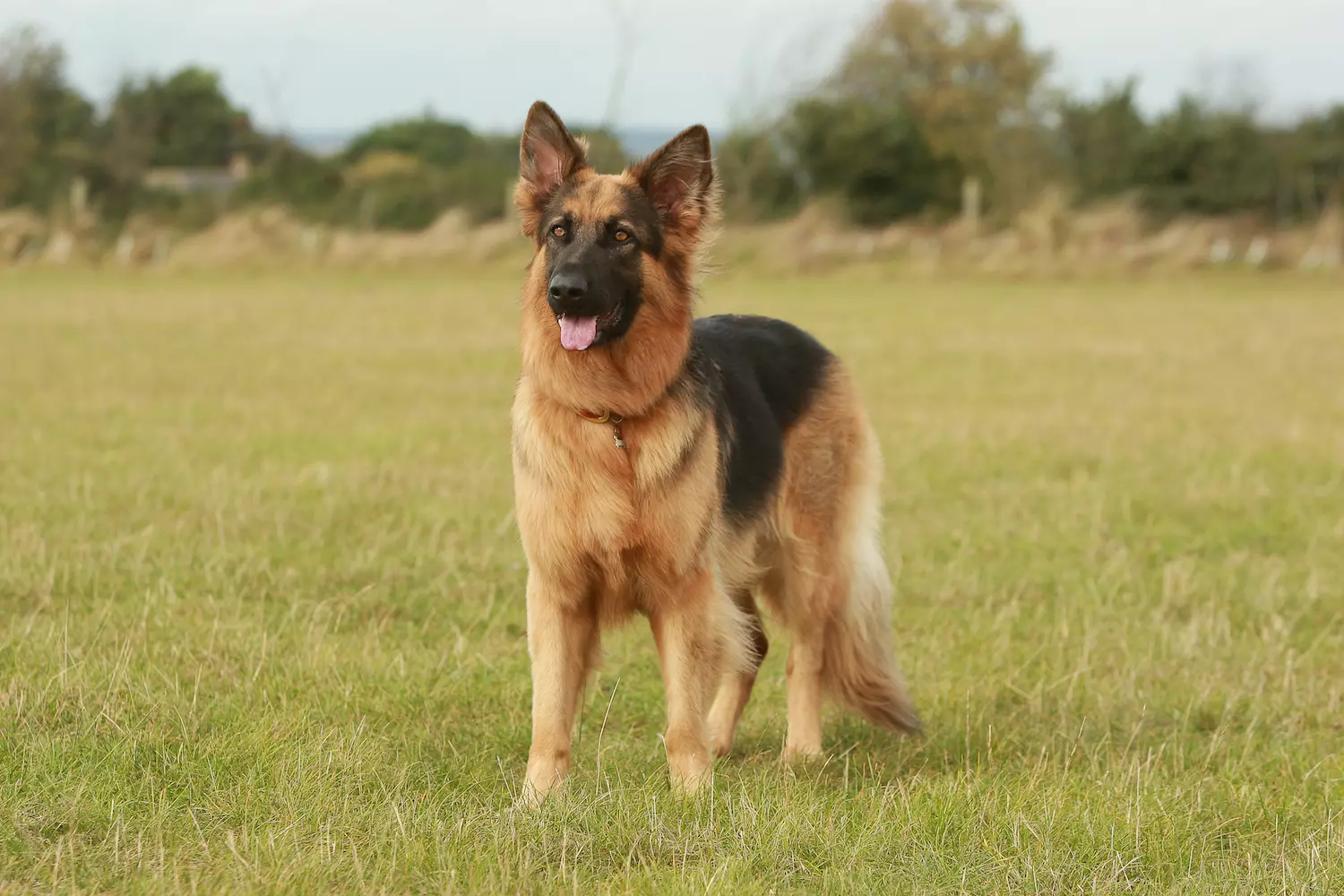
The Herding Group includes the breeds with possibly the most straightforward task: they herd, gather, and protect livestock. These four-footed shepherds work closely with their humans, often relying on hand signals along with spoken commands to perform their duties. Today, many herding breeds are also used as service dogs, police dogs, or in the military.
The intelligence and natural responsiveness of these dogs makes them highly trainable. Additionally, they tend to be affectionate and loyal companions. Most of these breeds are happiest in homes that can provide lots of exercise, structure, and clear instruction about expected behavior.
Australian cattle dog
Australian shepherd
Bearded collie
Beauceron
Belgian Laekenois
Belgian Malinois
Belgian sheepdog
Belgian Tervuren
Bergamasco sheepdog
Berger Picard
Border collie
Bouvier de Flandres
Briard
Canaan dog
Cardigan Welsh corgi
Collie
Entlebucher mountain dog
Finnish lapphund
German shepherd
Icelandic sheepdog
Miniature American shepherd
Mudi
Norwegian buhund
Old English sheepdog
Pembroke Welsh corgi
Polish lowland sheepdog
Puli
Pumi
Pyrenean shepherd
Shetland sheepdog
Spanish water dog
Swedish vallhund
Terrier Group
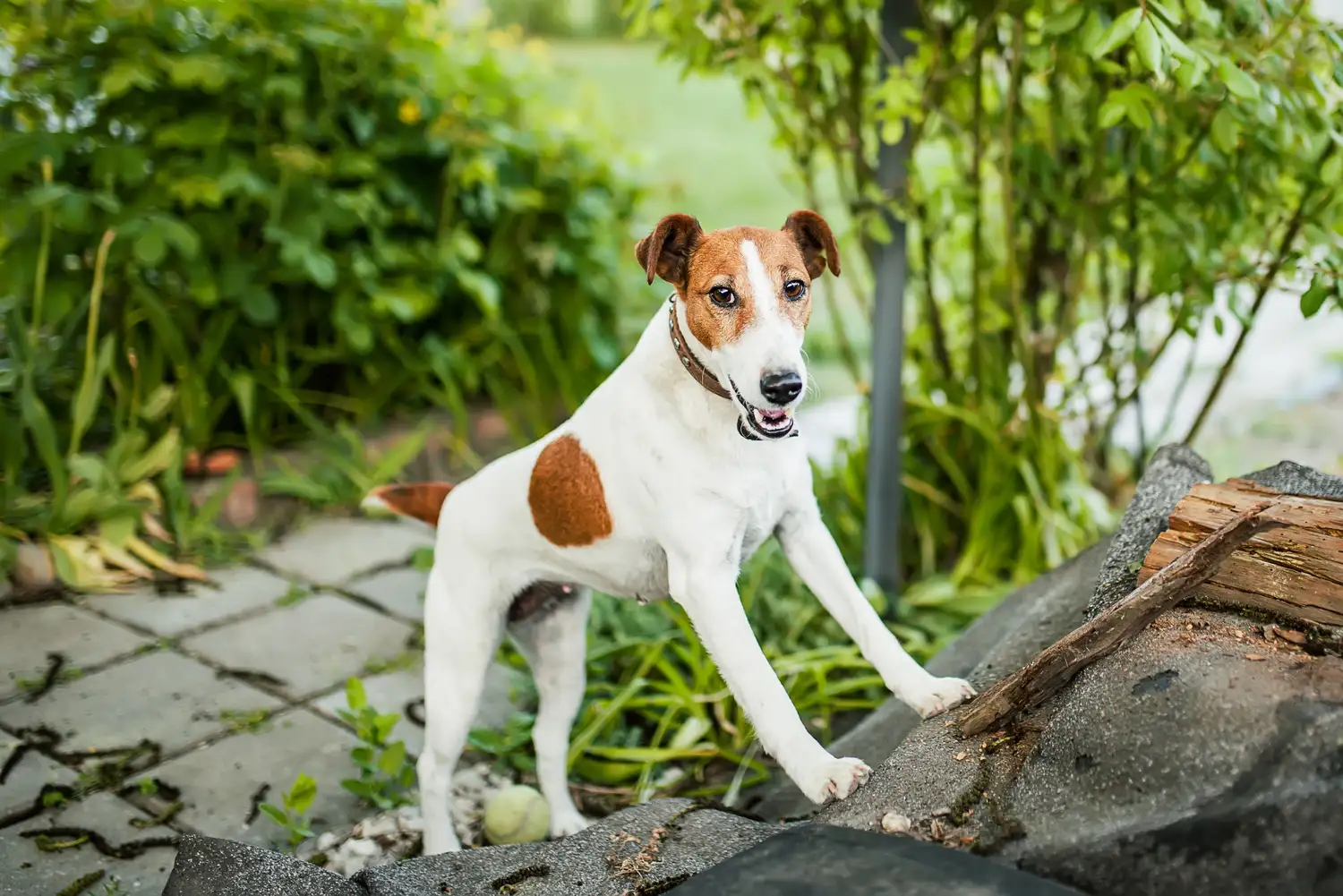
The vast majority of the dogs in the Terrier Group originated in the British Isles and evolved with particular duties based upon the geography of their specific area, including killing vermin, guarding their family’s home or barn, or hunting small animals (rats, otters, and badgers).
All these dogs share self-confidence and courage, as they are determined to do what it takes to locate their quarry, no matter the terrain. Dogs in the Terrier Group tend to be energetic and feisty. While they do make lovable pets, they tend to have strong personalities and some breeds may require special grooming.
Airedale terrier
American Staffordshire terrier
Australian terrier
Bedlington terrier
Border terrier
Bull terrier
Cairn terrier
Cesky terrier
Dandie Dinmont terrier
Glen of Imaal terrier
Irish terrier
Kerry blue terrier
Lakeland terrier
Manchester terrier
Miniature bull terrier
Miniature schnauzer
Norfolk terrier
Norwich terrier
Parson Russell terrier
Rat terrier
Russell terrier
Scottish terrier
Sealyham terrier
Skye terrier
Smooth fox terrier
Soft coated wheaten terrier
Staffordshire bull terrier
Welsh terrier
West highland white terrier
Wire fox terrier
Mixed-Breed and Hybrid Dogs

Not all kinds of dogs will receive AKC recognition because the registry doesn’t consider mutts, hybrid dogs, and ultra-rare dogs in the United States. That leaves out doodle-type breeds and other mixed-breed pups you can find at the shelter.
American pit bull terrier
Bernedoodle
Cavapoo
Chiweenie
Chug
Czechoslovakian Vlca
Goldendoodle
King shepherd
Poochon
Shih-poo
Texas heeler
How to Choose the Right Dog
There are a lot of things to consider when selecting the dog that will be right for you and your family. Here are some characteristics to think about.
Size
Dogs come in all sizes, from tiny toy breeds to giant breeds. Consider whether you can handle a large dog, and if you have the space for one in your home and backyard. When it comes to small dogs, rambunctious children who don’t know how to gently interact with them could end up injuring them accidentally.
Exercise Needs
Some dogs have lower amounts of energy, making them better suited to families that aren’t active, as well as seniors and others who don’t have the ability to give their dog a lot of physical activity daily. On the other hand, if you’re an active person who likes spending time in the great outdoors, a high-energy breed could be right for you.
Behavior Toward Strangers
Some dog breeds are outgoing and will get along with everyone they meet, including strangers. Others, however, are protective or reserved around strangers. Consider how you want your dog to behave when they’re out in public and exposed to people they don’t know. Also think about how you want your dog to react when new people enter your home.
Training and socialization can make a difference in how well dogs react to strangers, regardless of breed.
Your Lifestyle
If you lead a busy lifestyle, you don’t spend a lot of time at home, or you travel a lot, it’s wise to narrow your search to dog breeds that are more independent and don’t mind being alone. Many dog breeds can develop separation anxiety, so they aren’t ideal for busy people.
No matter what, make sure you’ll be able to give a dog the mental and physical stimulation they need for health and happiness. If you aren’t able to give a dog the time and attention they need, this isn’t the right pet for you.



