20 Beautiful White Dog Breeds That Brighten Every Day
White dog breeds with their creamy coats are truly eye-catching pets. Along with their stunning looks, they have charming personalities. From beloved Frenchies to mop-haired Komondors, many breeds can have pure-white fur or pale hues like cream and biscuit. Some evolved their white fur to blend with snowy environments or while protect sheep or those that live in snowy places. For others, a white coat is just a natural, adorable variation.
Are you dreaming of an adorable, fluffy companion at home? Consider these 20 white dog breeds.
Breed Characteristics
White dog breeds are unified by their stunning, snow-colored coats. Beyond their appearance, these dogs vary greatly in size, personality, grooming needs, and exercise requirements. Some, like the Maltese and Bichon Frise, are pint-sized lap dogs. Others, such as the Samoyed and Dogo Argentino, are gentle giants. Their preferences also differ: the Great Pyrenees enjoys being outside to protect his flock of sheep, while the Pomeranian loves being carried around in a handbag.
01 of 20
Samoyed
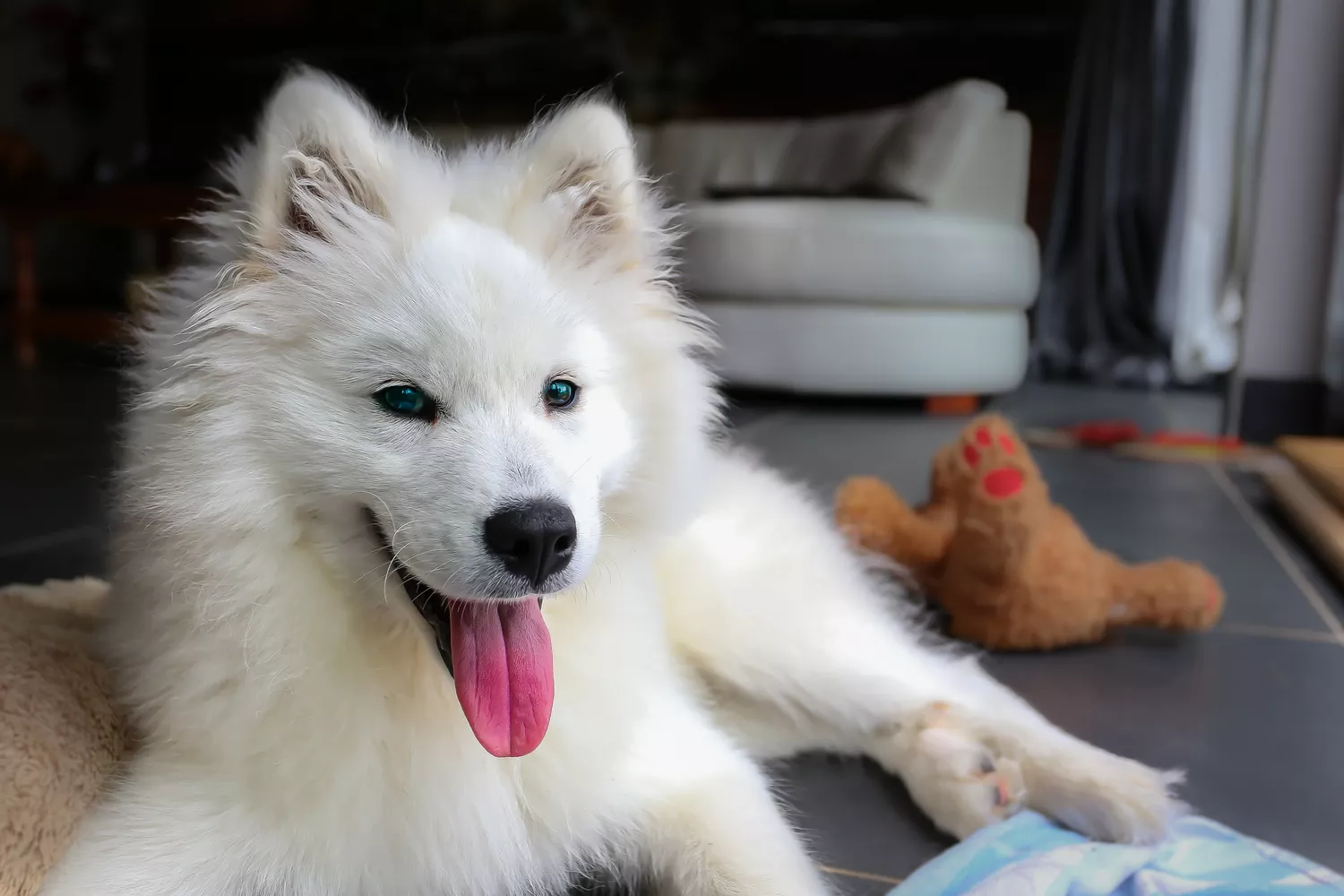
Samoyeds are fluffy and always smiley, a large working breed from Siberia with a bright white, dense coat. They are at home in the snow and love hiking in cold weather due to their thick double coat. After exercise, they enjoy a cozy evening snuggling. Ideal for colder climates, they need ample space to roam, such as a big backyard or regular access to a dog park.
Breed Overview
11 Double-Coated Dog Breeds for Harsh Weather
02 of 20
Maltese
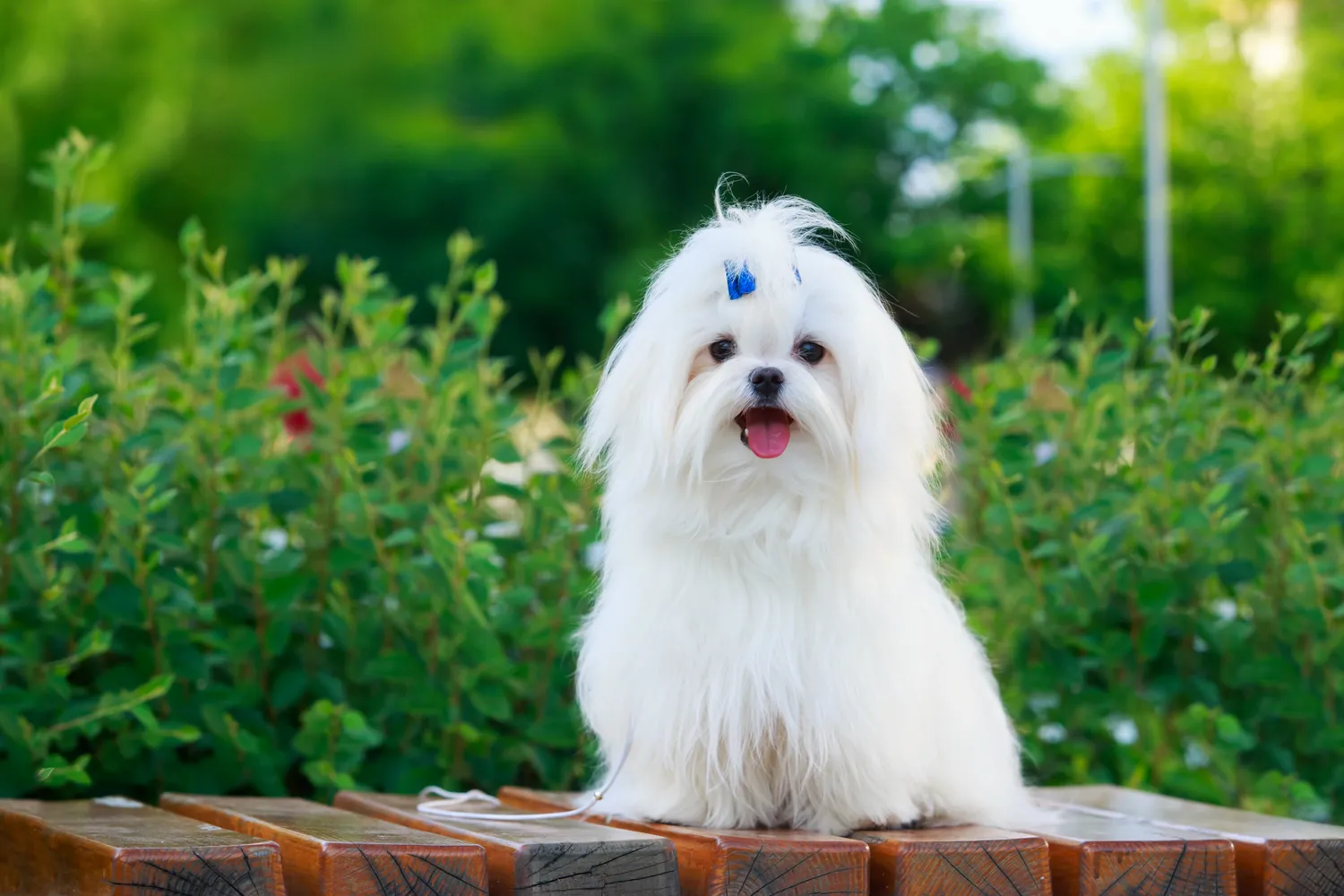
Maltese dogs have silky white coats and big brown eyes, charming everyone they meet. This toy breed, developed thousands of years ago in Malta, is now popular across the Atlantic for its portable size, low-shedding coat, adaptable personality, and moderate energy.
Breed Overview
03 of 20
West Highland White Terrier
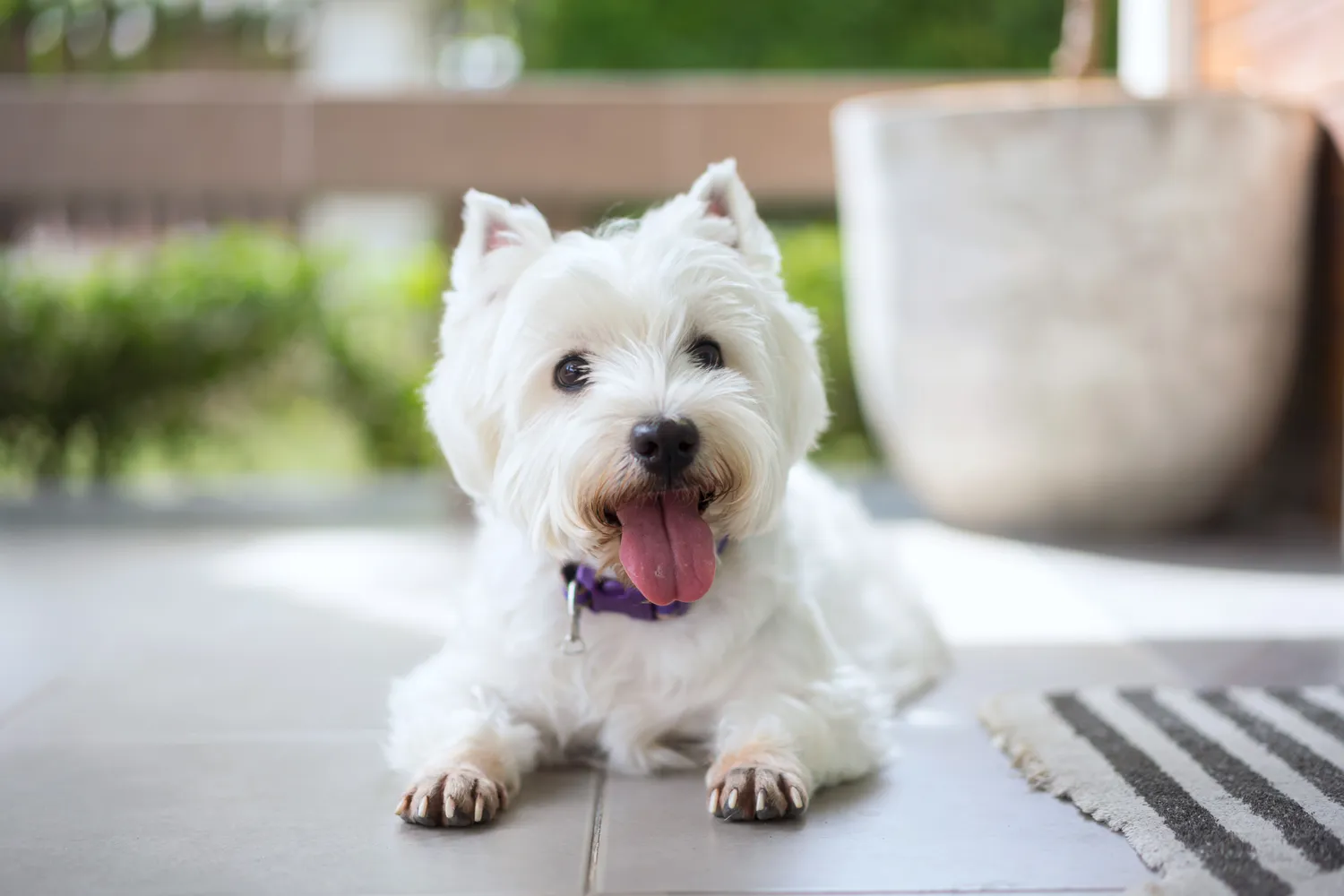
Westies are beloved for their playful, sociable nature, making them favorites among families. Their small size suits various living situations, such as apartments and condos. Originally bred in the Scottish Highlands for hunting and farming, they are now popular companion animals.
Breed Overview
04 of 20
American Eskimo
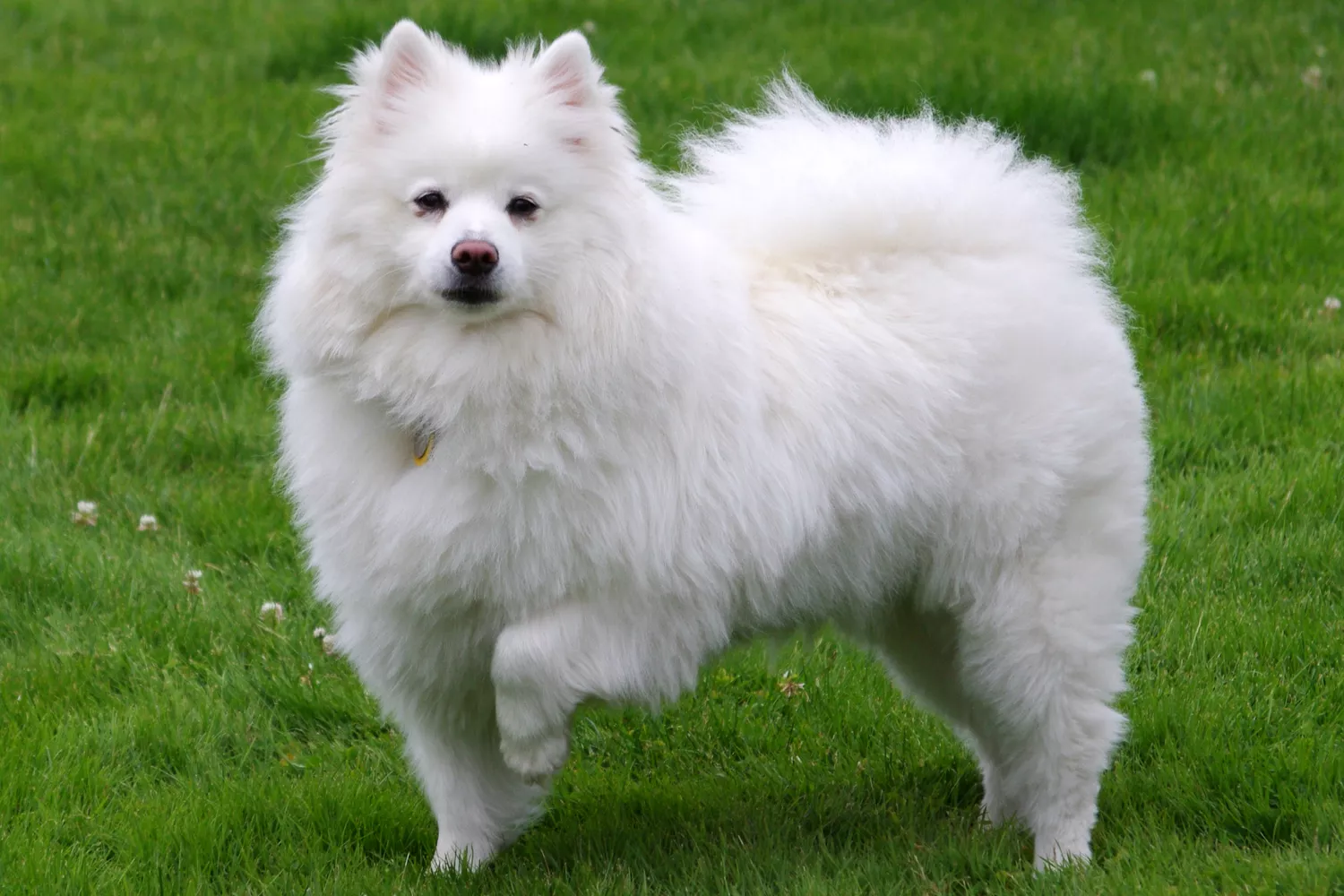
These chatty, snow-white pups, known as Eskies, come in toy, miniature, and standard sizes. Developed in the Midwest as farm dogs, they thrive with physical and mental activities like puzzle toys, training, hikes, and dog park sessions. Their thick double coat requires regular grooming.
Breed Overview
05 of 20
Bichon Frise
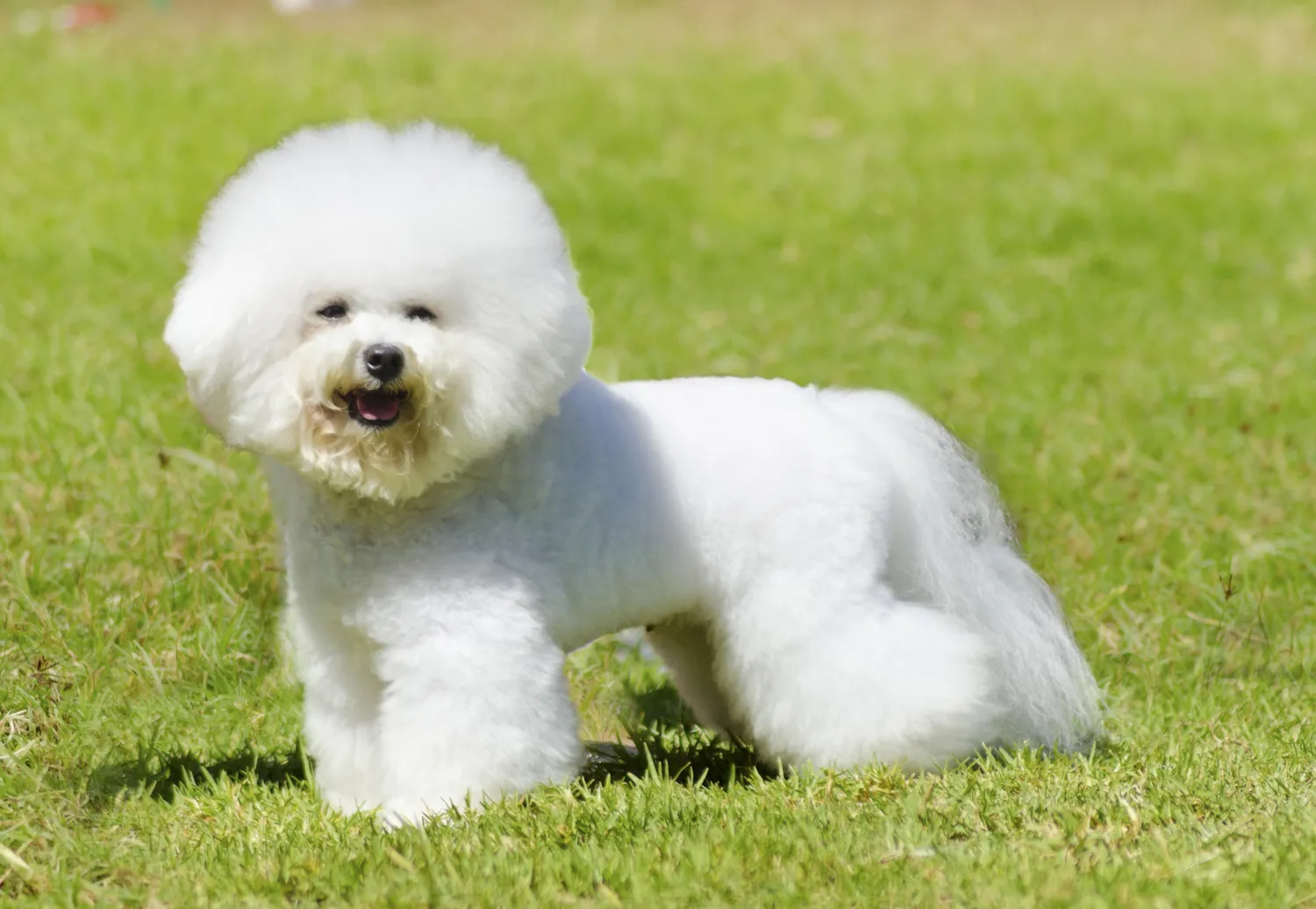
Curly white hair, black button eyes, and a permanently smiley expression make the bichon frise look like an adorable stuffed animal. But these small, non-sporting dogs aren’t content to just sit around looking cute all day. They’d rather be playing with their toys, snuggling on your lap, or frolicking around with your kids instead. Since their bright white coats can easily become matted, bichon frises need regularly scheduled haircuts and brushing sessions.
Breed Overview
06 of 20
Great Pyrenees
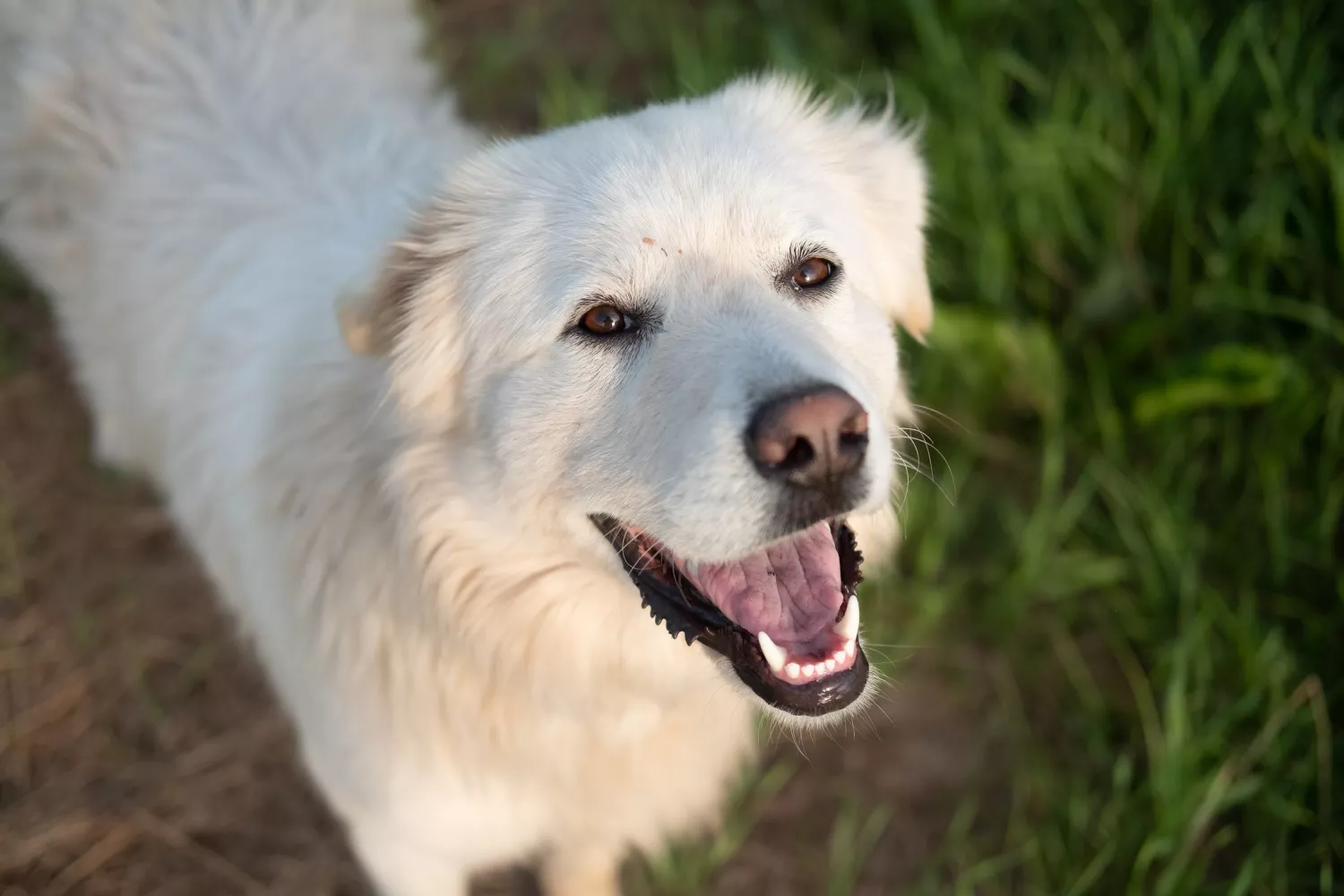
Don’t let the Great Pyrenees’ imposing size fool you—these fluffy white pups are actually big softies. Originally bred to protect livestock, they are large and independent dogs that regularly top the scales at more than 100 pounds. Today, you’ll still find them lounging in fenced fields among flocks of sheep. But you’ll also find them working in search and rescue operations, providing solace to therapy patients, or just hanging out with their human family members at home.
Breed Overview
11 Majestic Facts About Great Pyrenees
07 of 20
Coton de Tulear
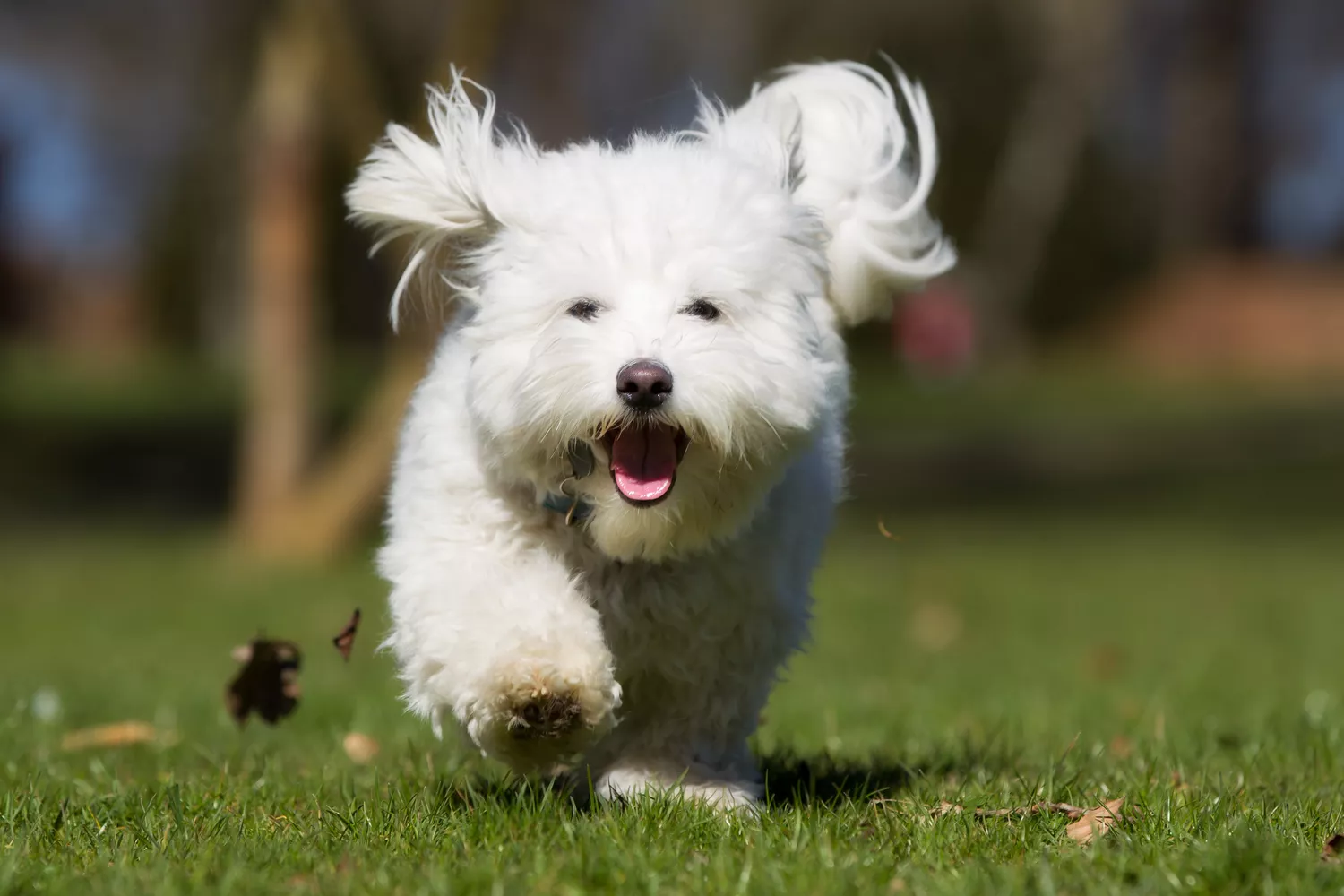
If the coton de Tulear’s coat reminds you a bit of a cotton ball, you’re not alone: Their name is inspired by their soft, cotton-like coat, as well as their home city of Tulear, Madagascar. Related to the Maltese and the bichon frise, the coton de Tulear is known for its sweet, loyal, up-for-anything personality—their absolute favorite pastime is … anything involving their human family members.
Breed Overview
08 of 20
Bolognese
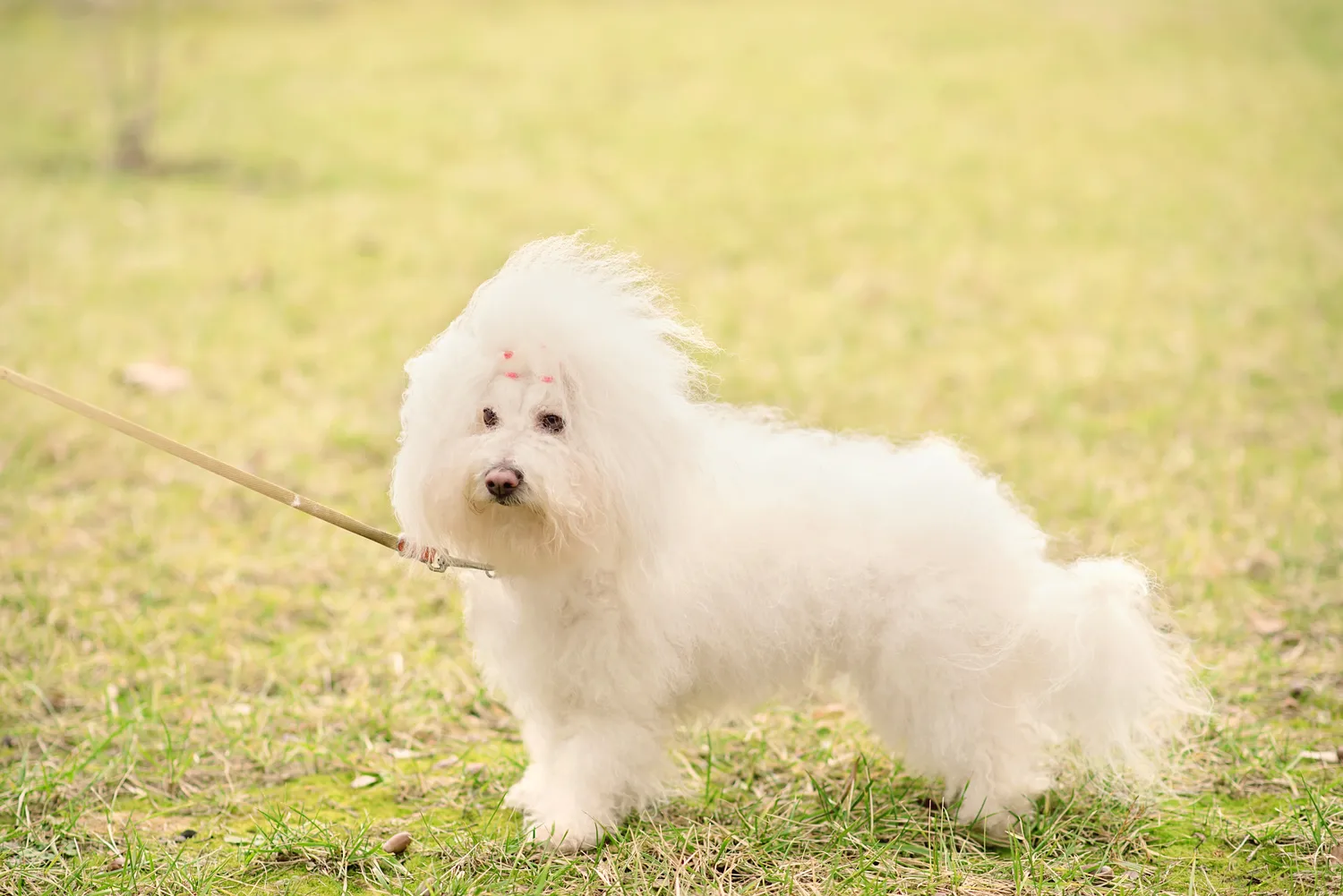
Hailing from Bologna, Italy, the Bolognese has a long heritage that dates back to the 11th century. These dapper, diminutive pups are beloved for their long ruffly coats and their docile demeanor. Bolos adore spending time with their owners—and they’re particularly vulnerable to separation anxiety—so be sure you have lots of free time to dedicate to your pooch before bringing one home.
Breed Overview
09 of 20
Dogo Argentino
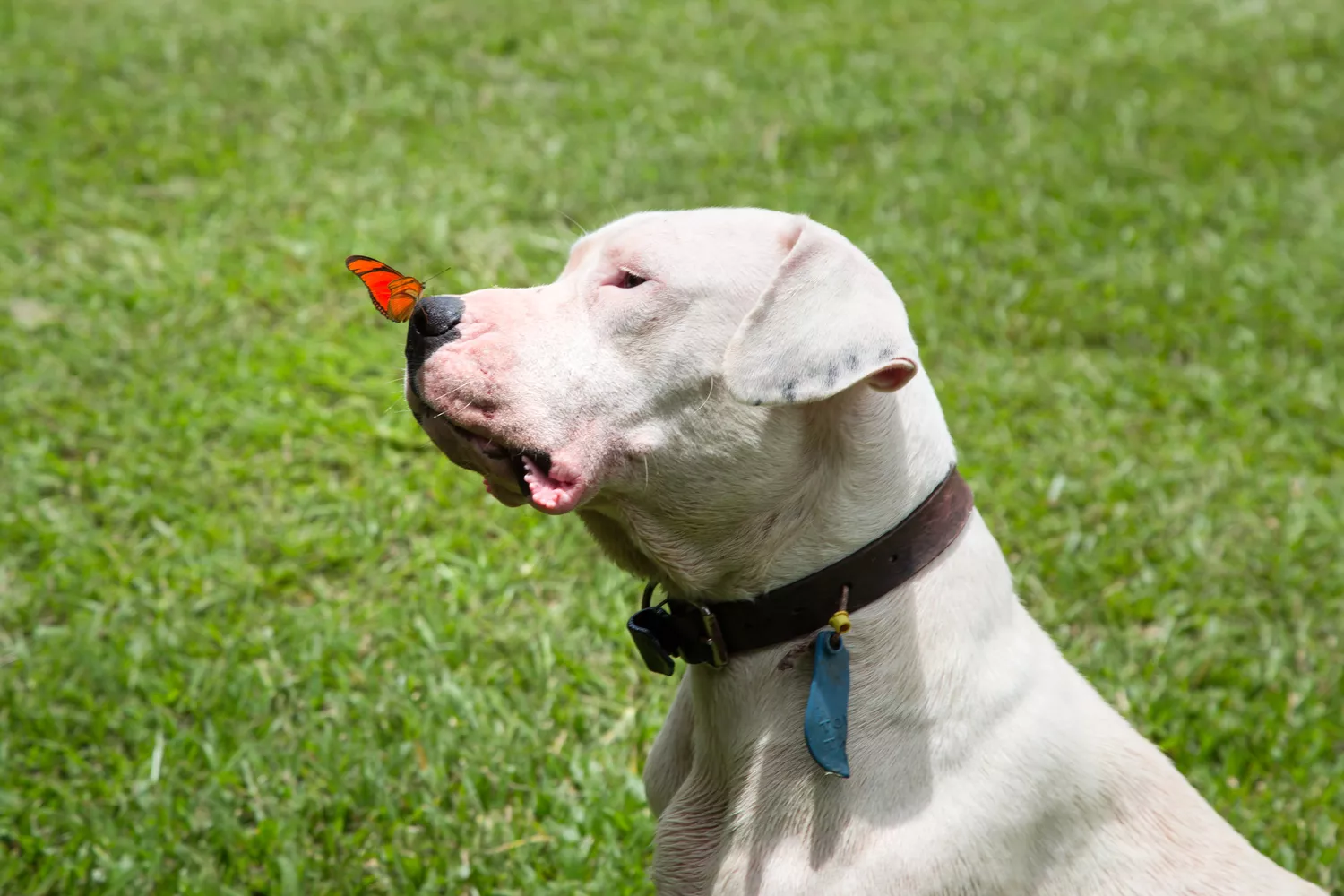
Sturdy and muscular, the Dogo Argentino is a large working breed developed in Argentina in the late 1920s. They’re still fairly rare in the United States—the American Kennel Club only recognized the breed in 2020—but they’re starting to catch on. These athletic, fearless dogs have a lot of energy, so they’re ideally suited for owners who can spend at least an hour a day exercising them. And, since they have a strong prey drive, these pups tend to fare best in households without any other pets. The Dogo Argentino’s short, smooth, white coats are relatively low-maintenance, making grooming a breeze after a good romp around outside.
Breed Overview
10 of 20
Japanese Spitz
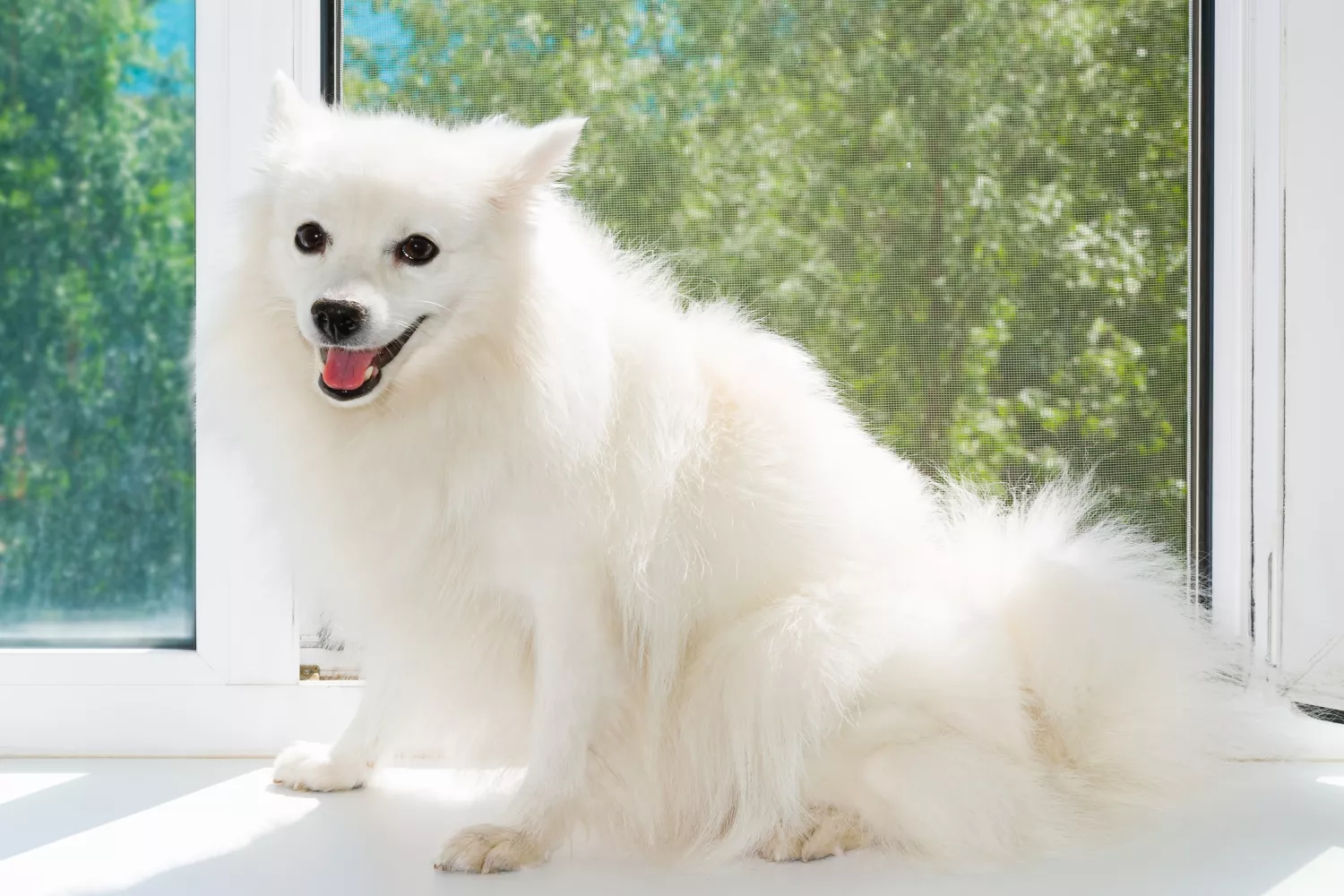
Sweet, smiley, and cheerful, the Japanese spitz is a welcome sight when you return home after a long day of work or school. They have curly tails, perky ears, dark eyes, and wedge-shaped heads, all covered in thick white fur. These happy-go-lucky pooches are generally quiet and they get along well with kids and other pets, which makes them ideal for families. Their year-round grooming needs are fairly minimal, but these non-sporting dogs do “blow” their coats twice a year—so you might want to invest in a heavy-duty pet-friendly vacuum.
Breed Overview
11 Fascinating Japanese Dog Breeds to Discover
11 of 20
Komondor
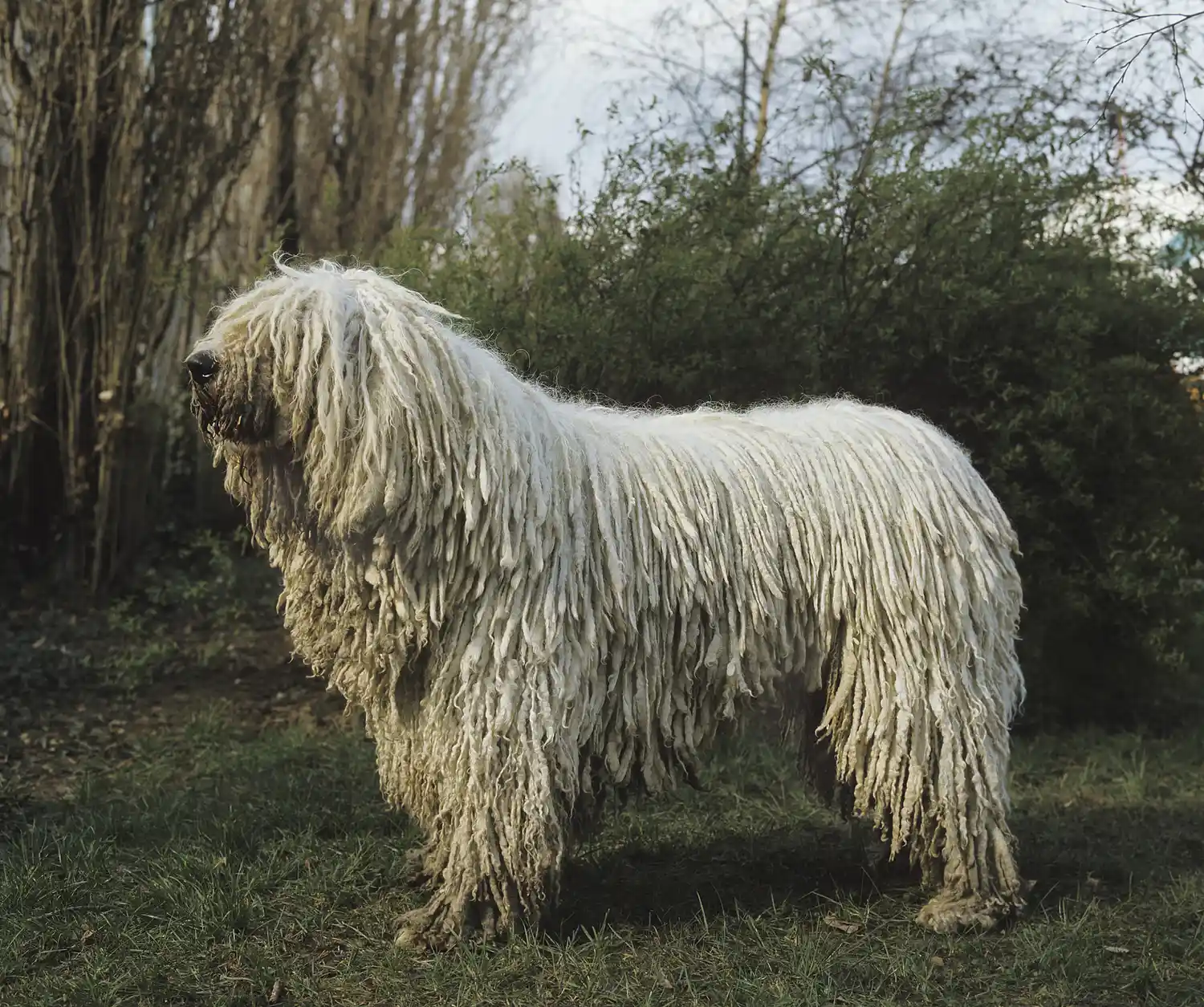
Komondors are nicknamed “mop dogs” for good reason: Their large bodies are covered in white cords of hair that look just like the strands of a mop. This working breed was originally developed in Hungary to be a livestock guardian—and their signature hairdo helps them blend in with the flocks of sheep they’re tasked with protecting. Independent and strong, komondors need early socialization and regular training sessions to be on their best behavior.
Breed Overview
12 of 20
Siberian Husky
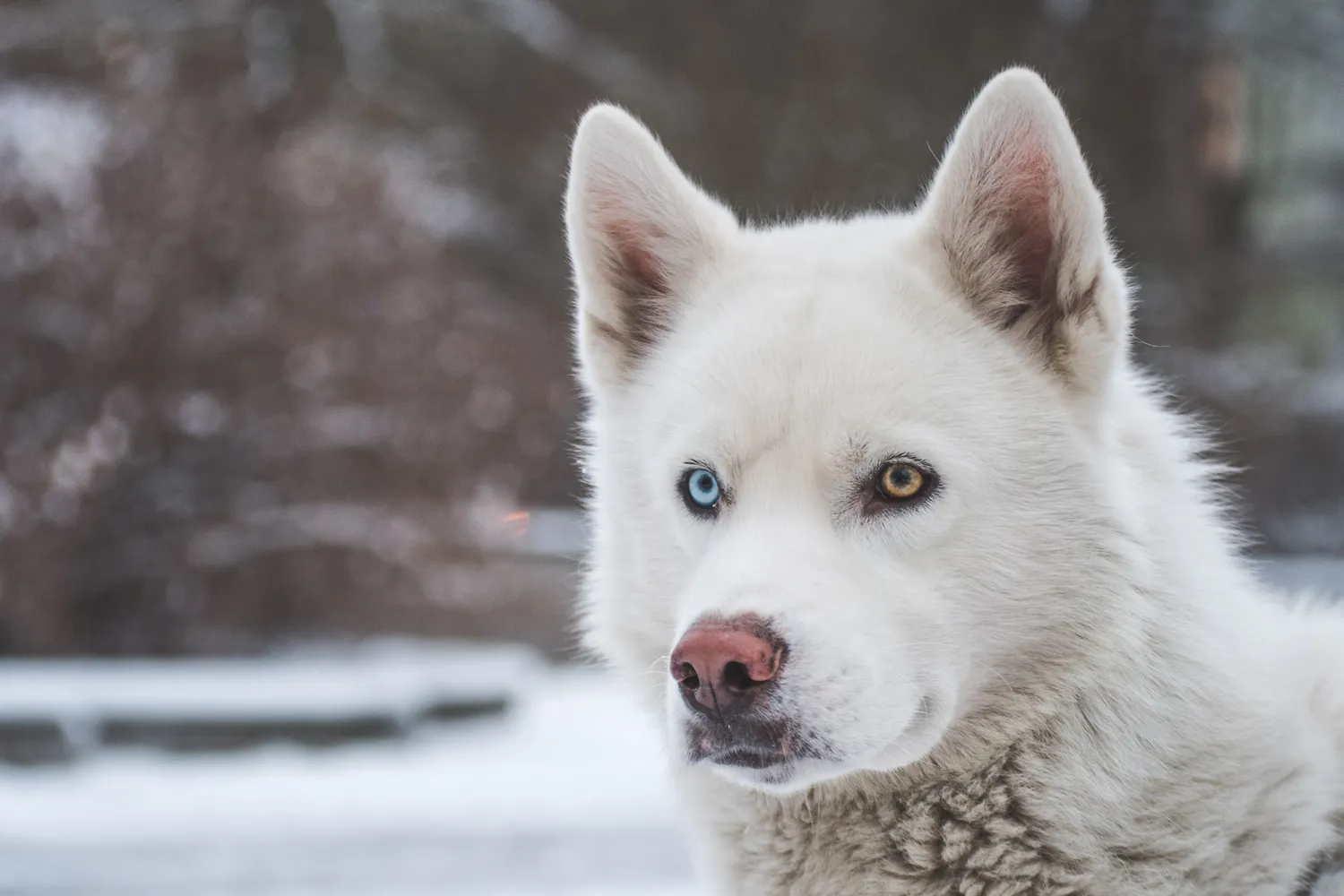
These energetic, courageous dogs were originally bred to pull heavy sleds across snowy landscapes. These days, you’ll find these chatty pups in a wide variety of climates—though they still love cold temperatures and fresh powder. Their thick double coats can be a wide variety of colors—including white, which pairs perfectly with the bright blue eyes that are commonly found in this breed. Siberian huskies generally get along with other dogs, but since they have a strong prey drive, they might be a challenge for households with small mammals.
Breed Overview
13 of 20
Kuvasz
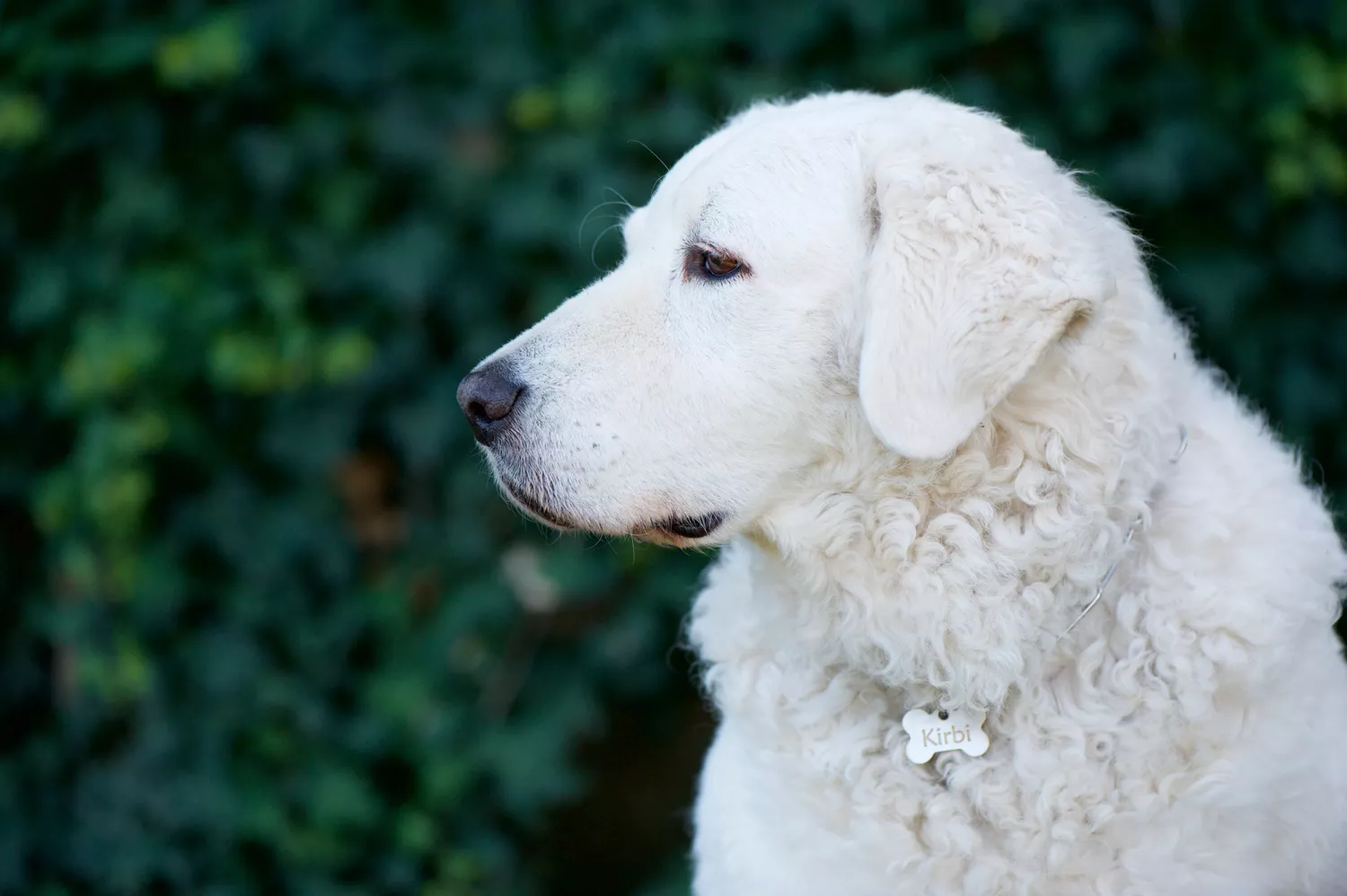
The Kuvasz—or “Kuv” for short—is a large working dog with a long lineage that dates back to at least the Middle Ages. Developed in Hungary as livestock guardians, these protective pups have thick, white double coats to help them withstand the elements. Though the Kuvasz is known for being loyal and calm, this breed has a naturally protective demeanor, so these pooches do best when they’re the only pet in the household.
Breed Overview
14 of 20
Poodle
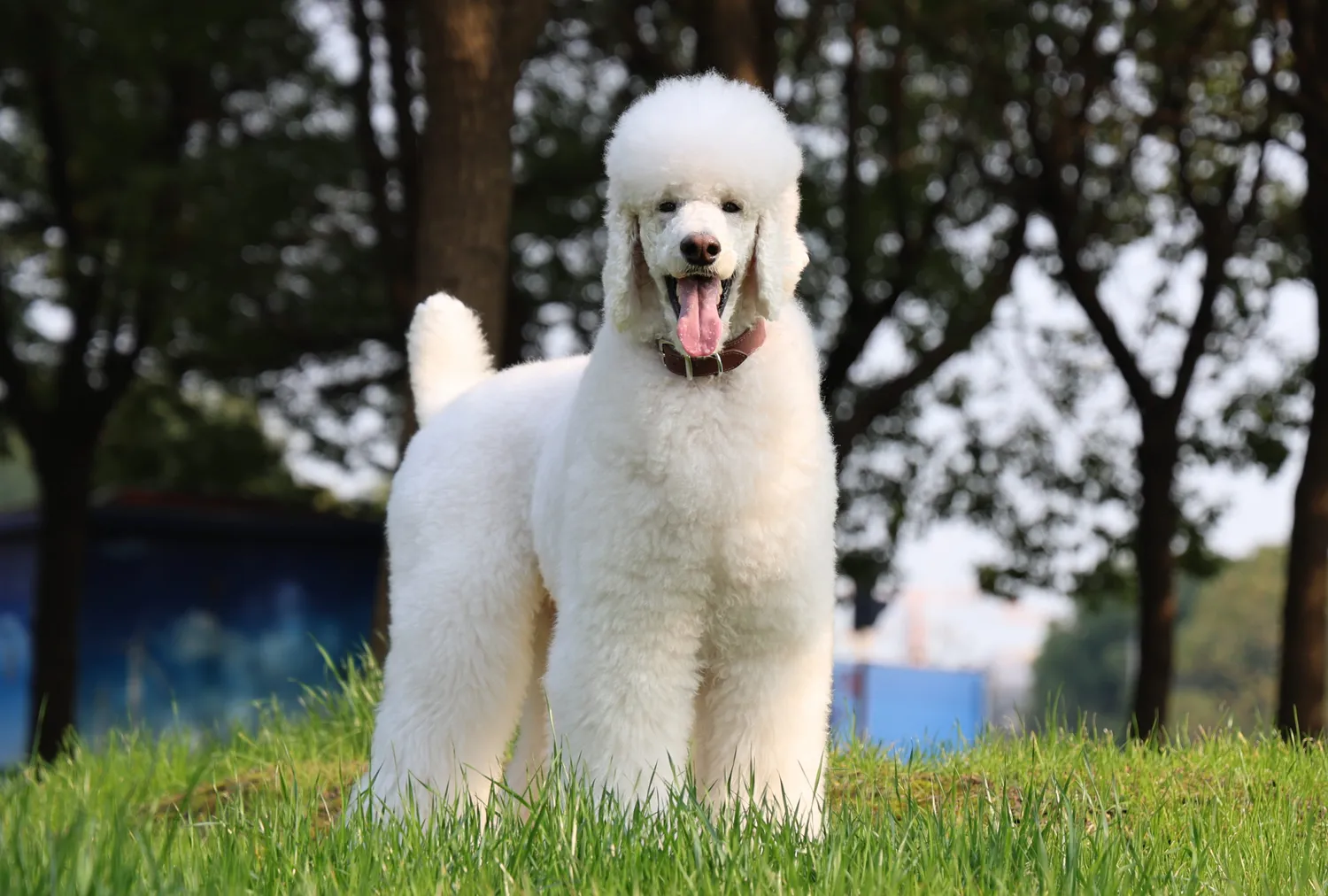
Clever, friendly, and adaptable, the poodle consistently ranks as one of the most popular dog breeds in America. This non-sporting breed comes in three sizes—toy, miniature, and standard—so, no matter how much space you’ve got at home, you’re sure to find a poodle that works for you. Though white is a common poodle coat color, these curly-haired pups come in a wide variety of colors—from black and brown to cream and apricot.
Breed Overview
15 of 20
Havanese
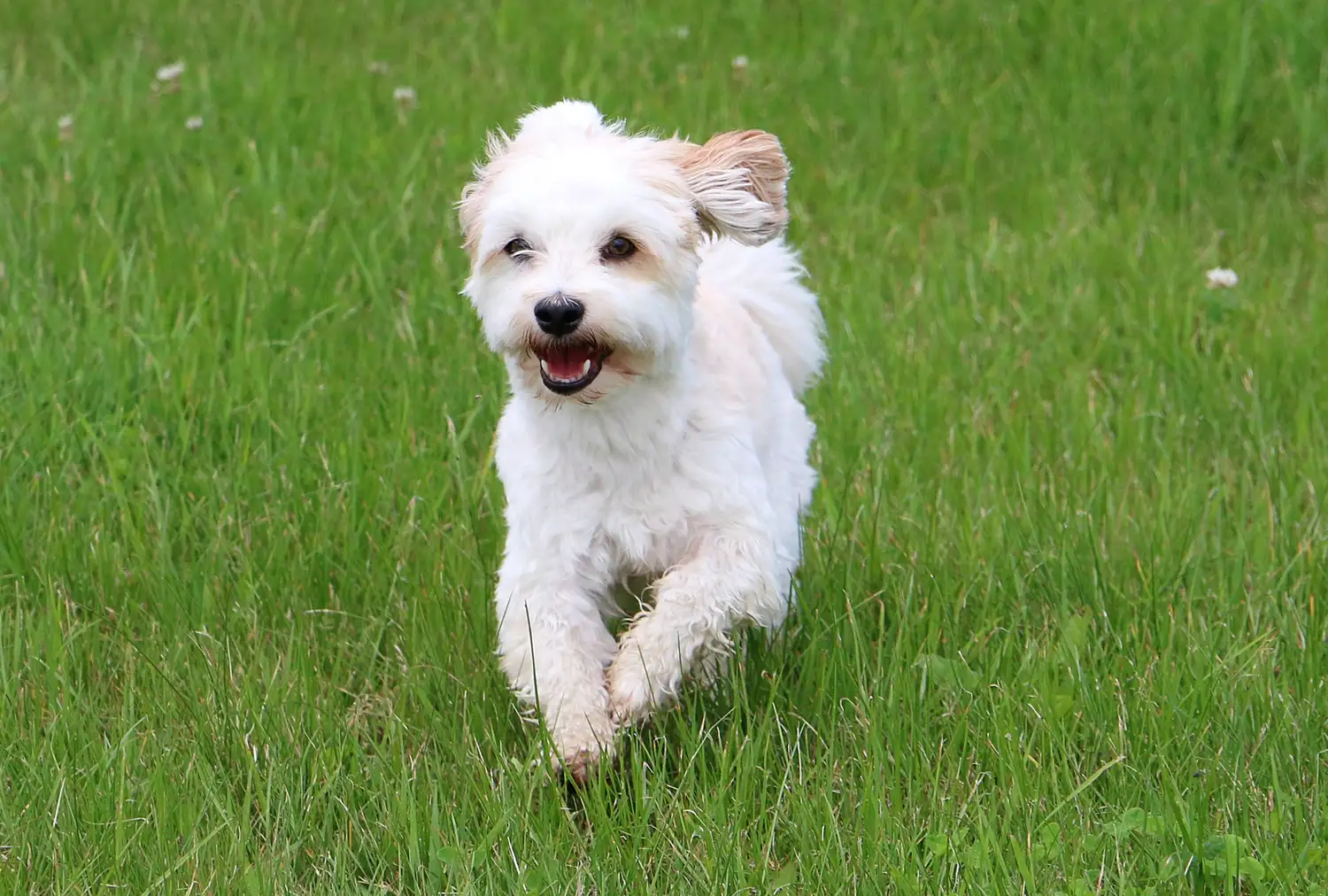
Looking for a perky, pint-sized pup to bring home? Look no further than the Havanese, an irresistibly cute toy breed with a long, silky coat. These adaptable dogs thrive in a wide variety of families and living arrangements, from apartments with kids to RVs with senior citizens and nearly every situation in between. Though they need moderate amounts of daily exercise, these dogs do need regular grooming, including haircuts and brushing sessions.
Breed Overview
16 of 20
Canaan Dog
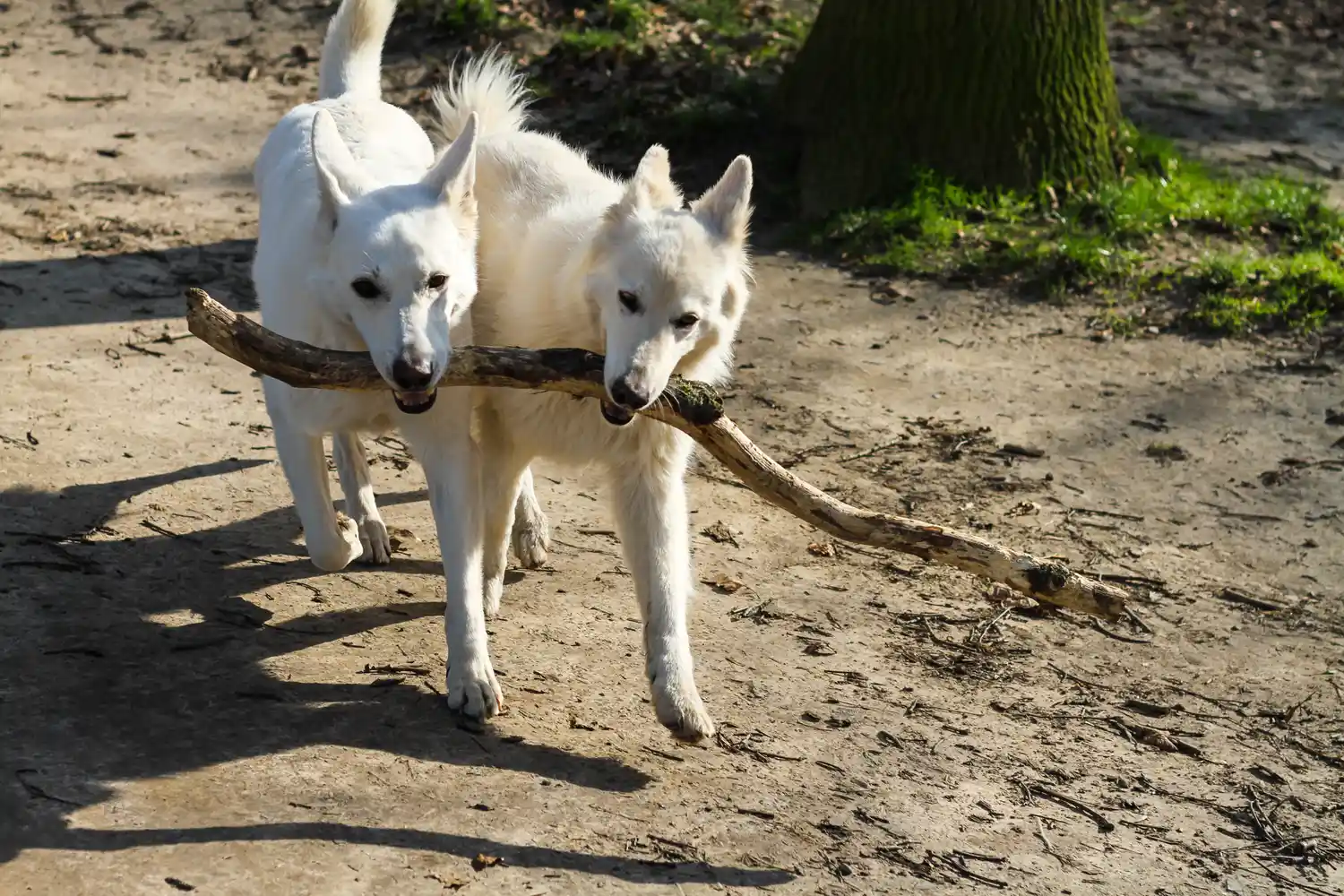
Though they’re relatively rare to see out and about today, these herding dogs have been around a long time—their lineage goes back thousands of years in the Middle East. Their smooth, short coats are relatively low-maintenance—weekly brushing and periodic baths will do. Canaan dogs come in a variety of colors, including white. Smart and alert, this breed also makes a great watchdog.
Breed Overview
17 of 20
French Bulldog (Frenchie)
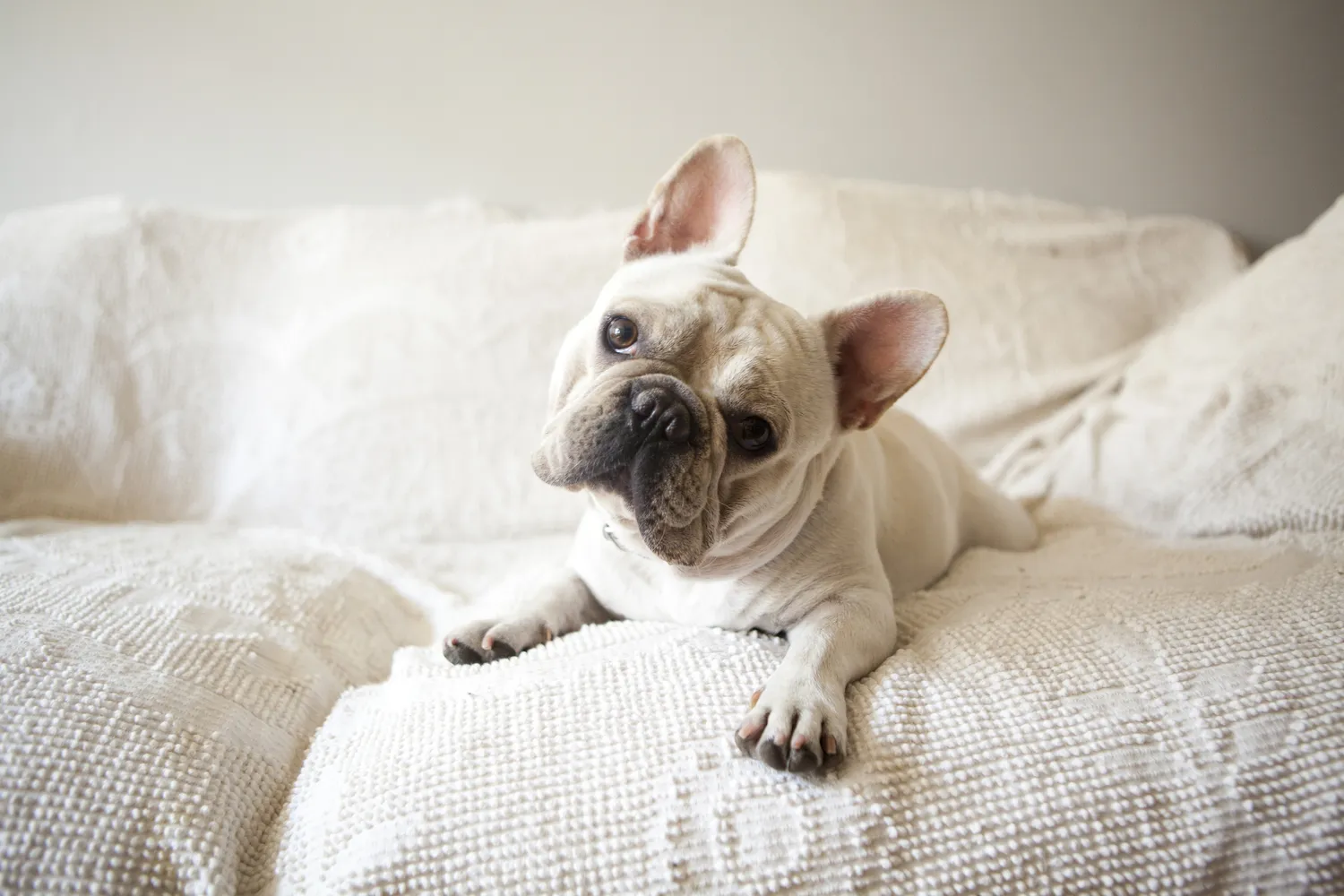
Frenchies have skyrocketed in popularity in recent years—and for good reason. These short, muscular pooches are not only well-suited to living in small spaces, but they’re also downright adorable. Their wrinkly and smooshed faces, upright ears, and big eyes make them endearing to just about everyone they meet on the street. Their coats are often fawn or brindle, but can also be pure white.
Breed Overview
18 of 20
Pomeranian
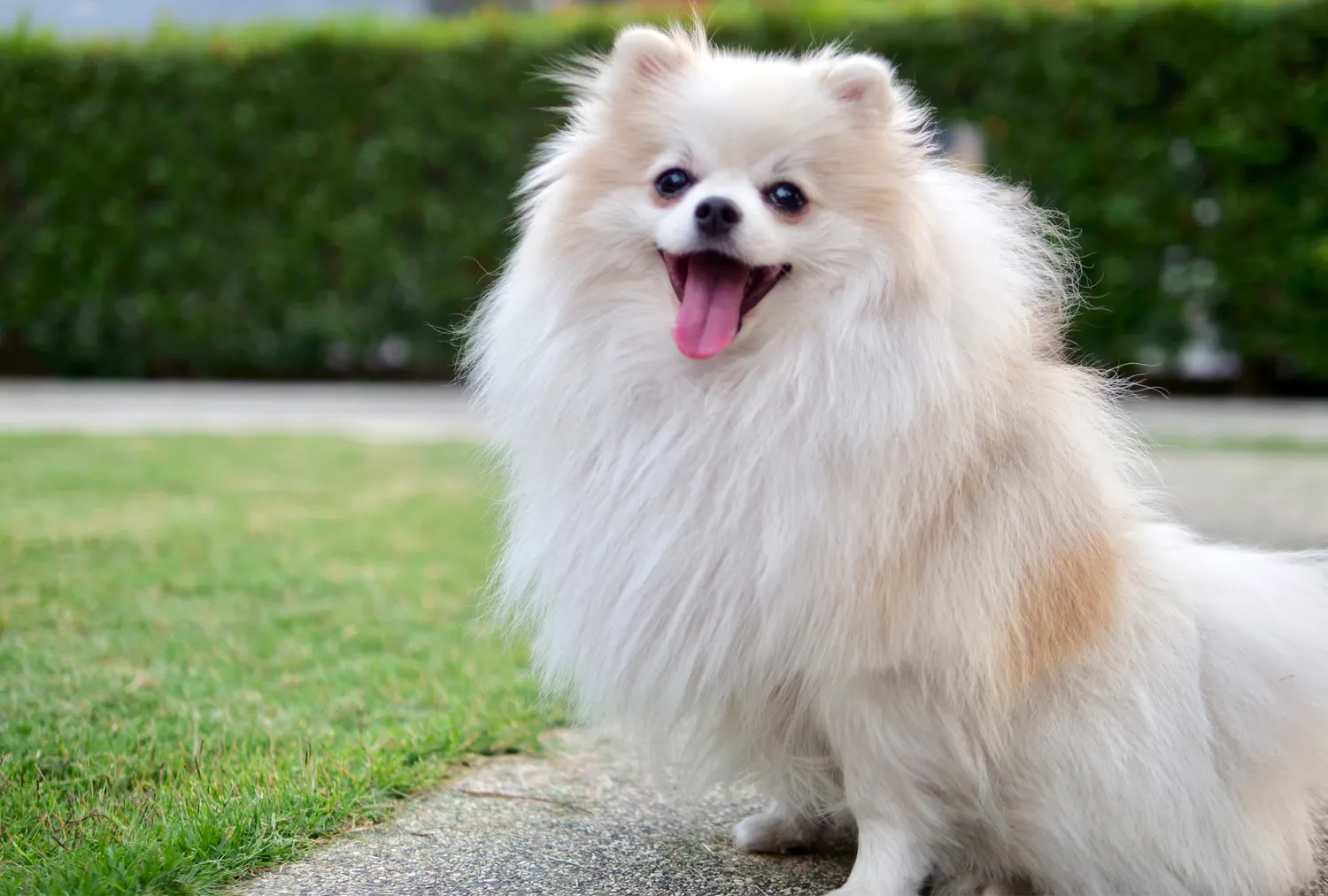
Perky Pomeranians pack a lot of personality into a petite package. Poms have a reputation for having “big dog” energy, even though they typically weigh less than 7 pounds. This toy breed is known for being alert, lively, and intelligent—with a touch of stubbornness that makes them ideal for more experienced pet parents. Their long, fluffy double coats come in many colors and patterns, including all white.
Breed Overview
15 Adorable Teacup Dogs: A Guide for Tiny Dog Lovers
19 of 20
Lhasa Apso
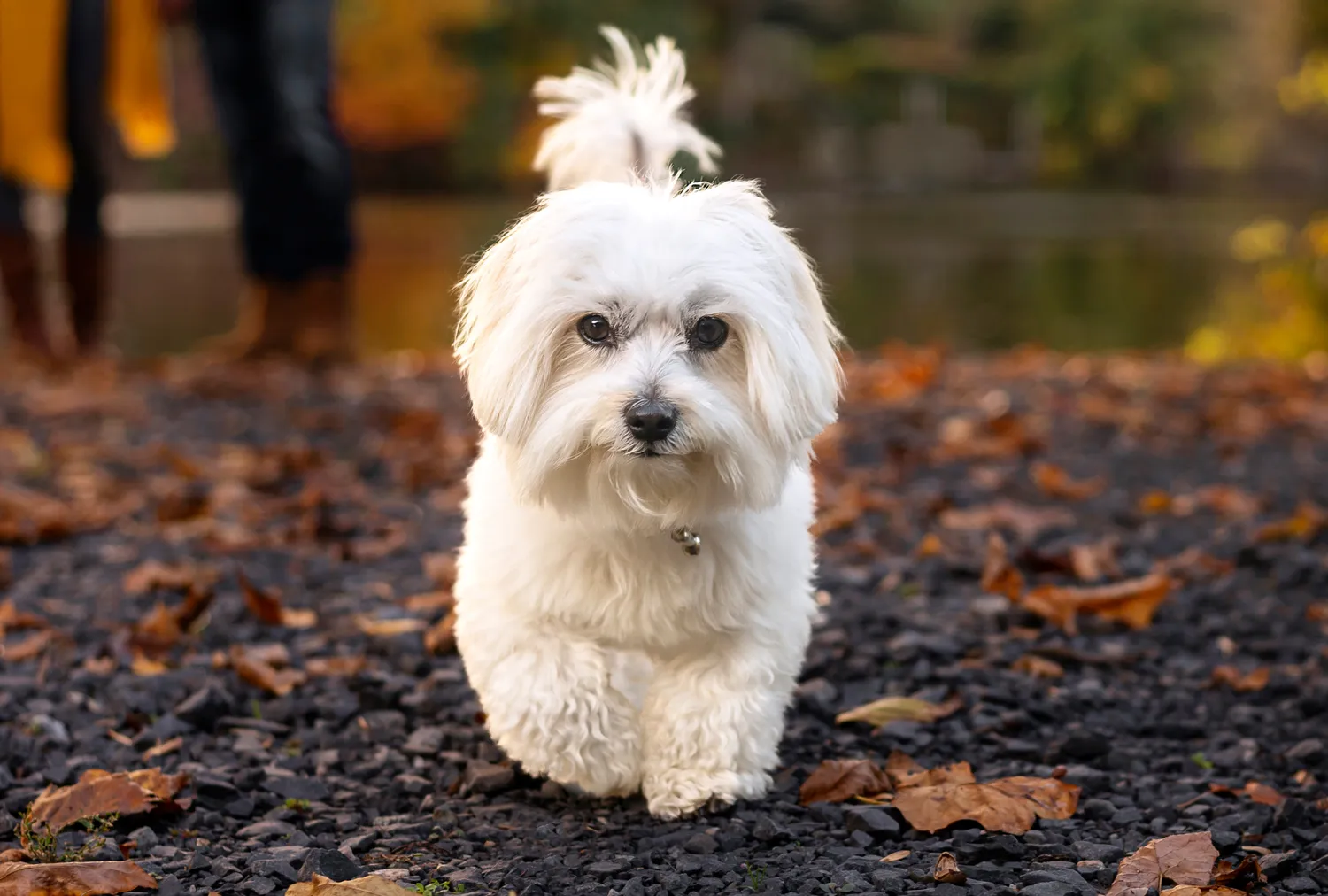
Developed in Tibet as watchdogs at palaces and temples, the Lhaso apso is a small, affectionate non-sporting breed. They’re known for their long, silky, low-shedding locks, but sometimes sport a more manageable “puppy cut.” Lhasa apsos need a moderate amount of daily exercise, plus some mental stimulation, and then they will happily make themselves right at home on your lap. These gentle pups also make great therapy dogs.
Breed Overview
20 of 20
Puli
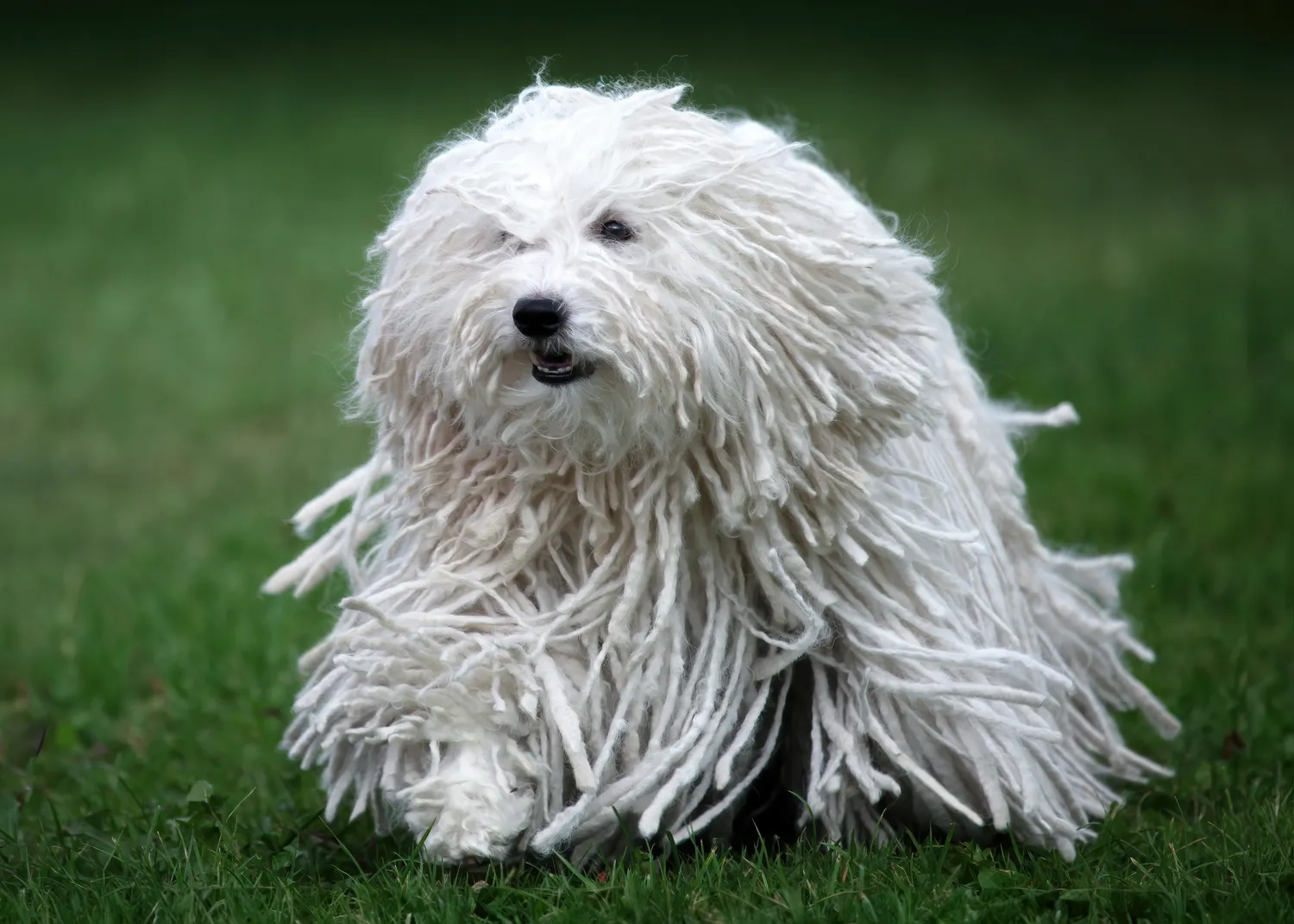
Pulis are unmistakable, with long cords of hair draped all over their medium-sized bodies. Their distinctive coats only come in solid colors, including white, and they require special care and attention when it comes to grooming. In their home country of Hungary, their thick coats helped keep them warm and dry as they protected sheep from predators. Today, though, pulis are primarily kept as companion animals. Their amiable, empathetic personalities make them ideal for families.
Breed Overview
50 Unique Names for Your White Dog



