Discover 4 Fascinating Dog Breeds With Unique Blue Tongues
Most dogs have pink tongues, but a few breeds naturally have blue tongues, sometimes referred to as black tongues. The chow chow and shar-pei must have blue tongues according to their breed standards, which dictate the required characteristics of each breed. Their tongues are always solid blue. The Eurasier and Thai ridgeback can have black-spotted or solid blue-black tongues. Some other breeds and mixed breeds may also have blue tongues or pink tongues with blue spots.
The blue-black coloration (which also looks gray) is caused by extra pigmentation in the tongues of some dogs. In certain breeds, this excess pigmentation is a trait that’s passed on from generation to generation. A few other species have blue tongues, including giraffes, polar bears, okapis, impalas and blue-tongued skinks. Read on to find out which dog breeds can have blue tongues.
01 of 04
Shar-Pei
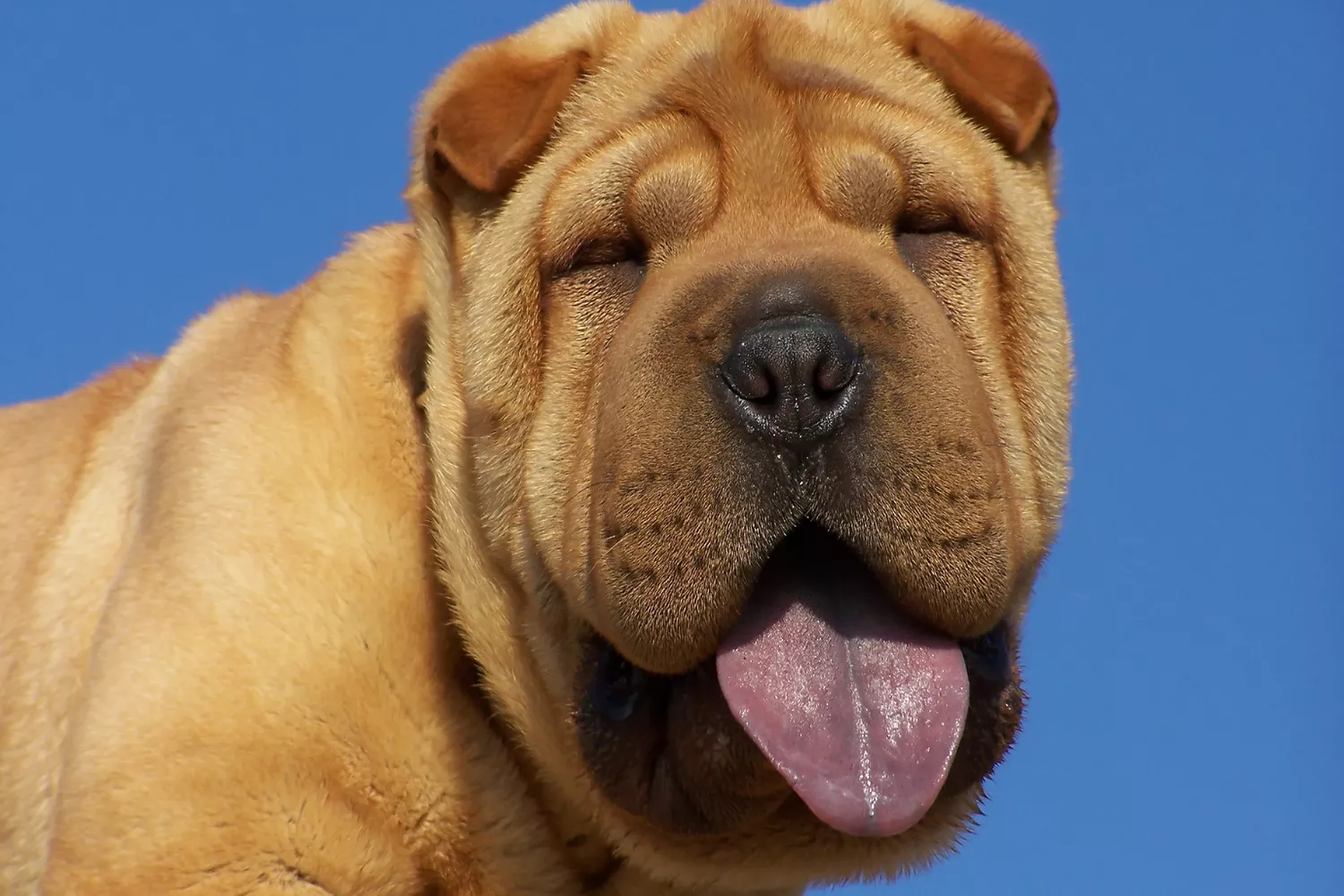
The Chinese shar-pei is instantly recognizable thanks to their unique wrinkly skin and large, bubbled muzzle reminiscent of a hippopotamus. The shar-pei should have a blue-black tongue, preferably solid though some have only spotted tongues. This breed can be prone to many different health conditions, including skin problems, ear problems, eye problems, luxating patella, and hip dysplasia.
No one knows for sure exactly how old this ancient breed is, but it’s possible that the shar-pei has existed in China for 2,000 years. It nearly went extinct in the 1970s, but American breeders took a fancy to the rare breed and shar-pei became very popular. The shar-pei is naturally wary of strangers and needs extensive socialization as puppies. They are highly devoted to their families but also independent, so they can be difficult to train.
Breed Overview
02 of 04
Chow Chow
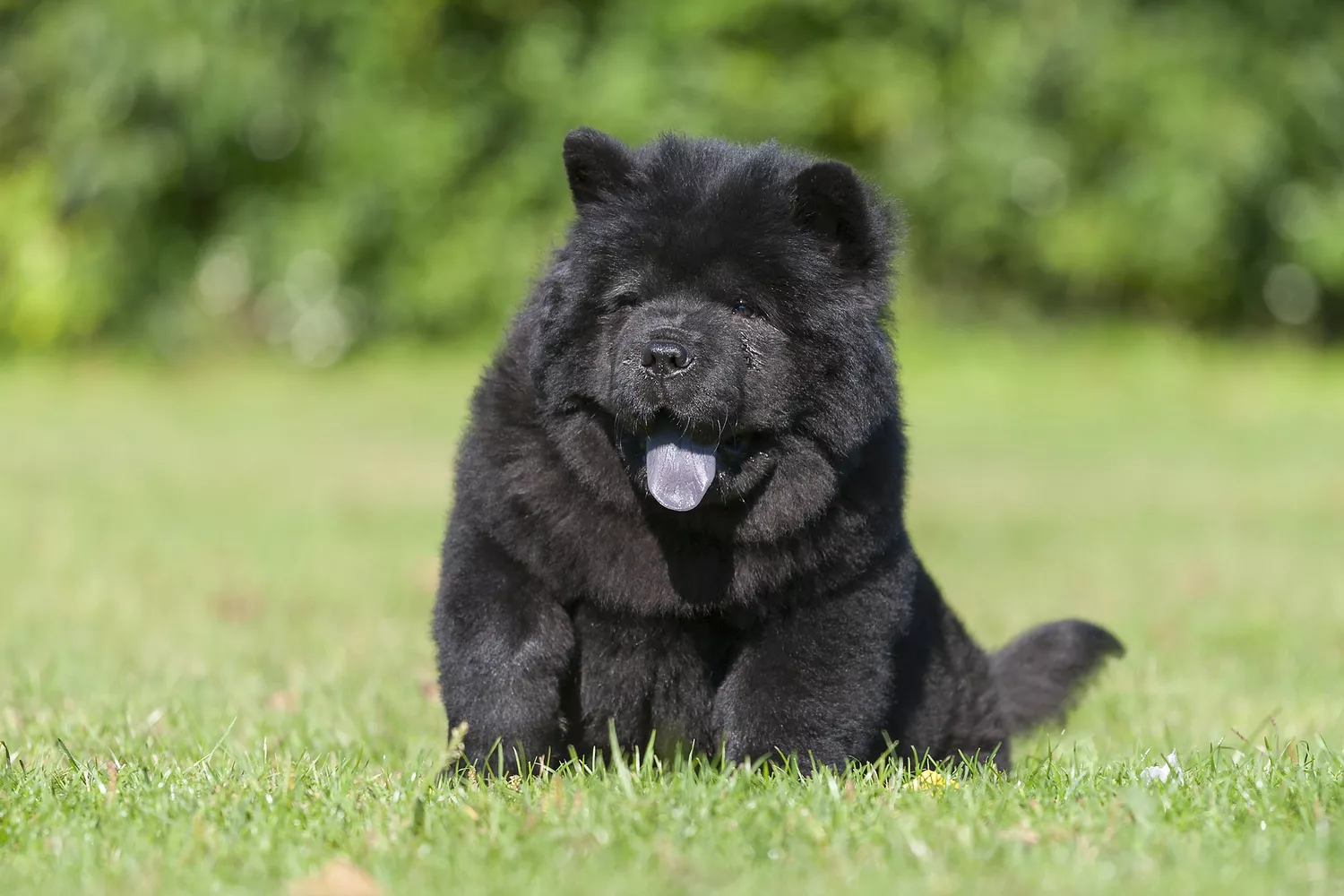
The chow chow’s tongue should always be solid blue-black color—the darker the better. A spotted tongue is a disqualifying fault according to the chow chow breed standard. Because the blue-black colored tongue is an inherited trait, it’s likely that the chow chow and shar-pei are distantly related.
Chow chow puppies are born with pink tongues. They slowly turn a blue-black color as the puppy matures, starting around the time they open their eyes. The process is complete by 6 months of age. Like the shar-pei, the chow chow also hails from China and is as old or even older than the shar-pei. This breed requires very solid training and socialization from someone with experience raising dogs, as some chows can be overly territorial and independent.
Breed Overview
03 of 04
Eurasier
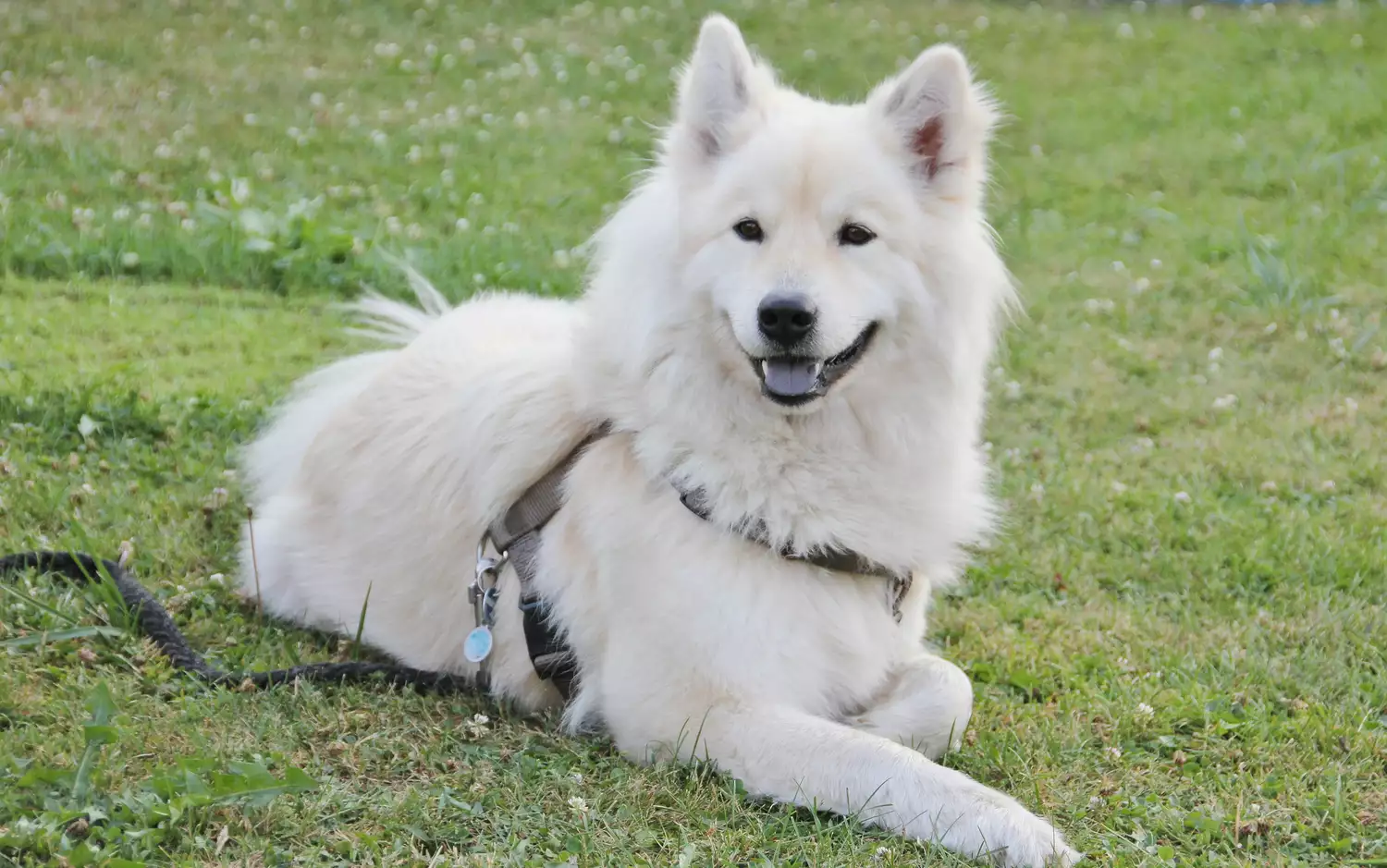
The Eurasier is a younger dog breed, developed in Germany in the 1970s using several breeds, including the wolf spitz, samoyed, and chow chow, from which some Eurasiers inherited blue tongues, whether solid or spotted. The Eurasier was created specifically to be a loving and devoted family pet. The breed is active outdoors, but calm in the house, with a laid-back temperament. They can be standoffish with strangers but love their families. The breed is highly intelligent and easy to train, responding readily to positive-reinforcement methods. They need a moderate amount of exercise, and they enjoy training for dog sports like agility or flyball.
Breed Overview
04 of 04
Thai Ridgeback
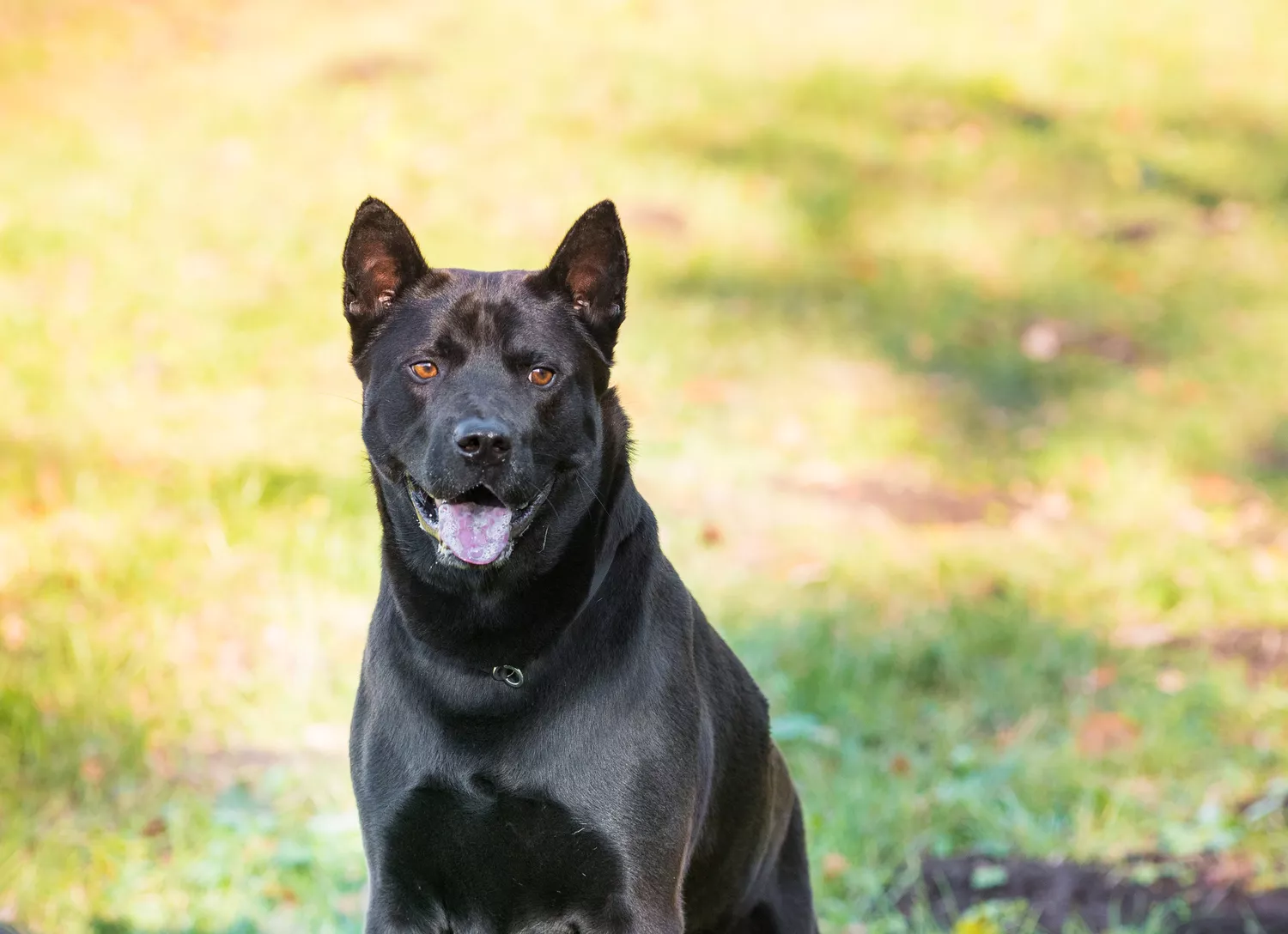
The Thai ridgeback is a rare and ancient breed that originated in Thailand more than 300 years ago, where it was used as a hunting dog and watch dog. Black markings on the tongue, either as spots or solid-colored, are preferred. The Thai ridgeback is a medium-sized dog with short hair and a ridge—a line of hair along the back growing in the opposite direction from the rest of the coat.
The breed is active and athletic and needs plenty of daily exercise. Though the Thai ridgeback is highly intelligent, it is an independent breed so training can be challenging. The breed is naturally protective, so they require extensive socialization as a puppy and beyond. The Thai ridgeback is extremely loyal to its family but can be suspicious of strangers.



