9 Effective Natural Flea Treatments for Cats
The signs of fleas on your cat are clear: scratching and itching non-stop, bits of what seem like dirt in their fur or on their bed, or perhaps you're getting bitten. While fleas can be an unfortunate aspect of life with a cat, they're also potentially harmful to your pet and household.
Fortunately, you don't have to immediately resort to strong, toxic chemicals to eliminate fleas. Many natural flea treatments for cats exist, such as lemons, cedar, and spices like lavender, that can help manage a flea infestation.
Consult your veterinarian before starting any home remedy for fleas on your cat. Once you receive approval for natural treatments, you can try these at-home remedies to help resolve your cat's flea issue.
Cedar Chips
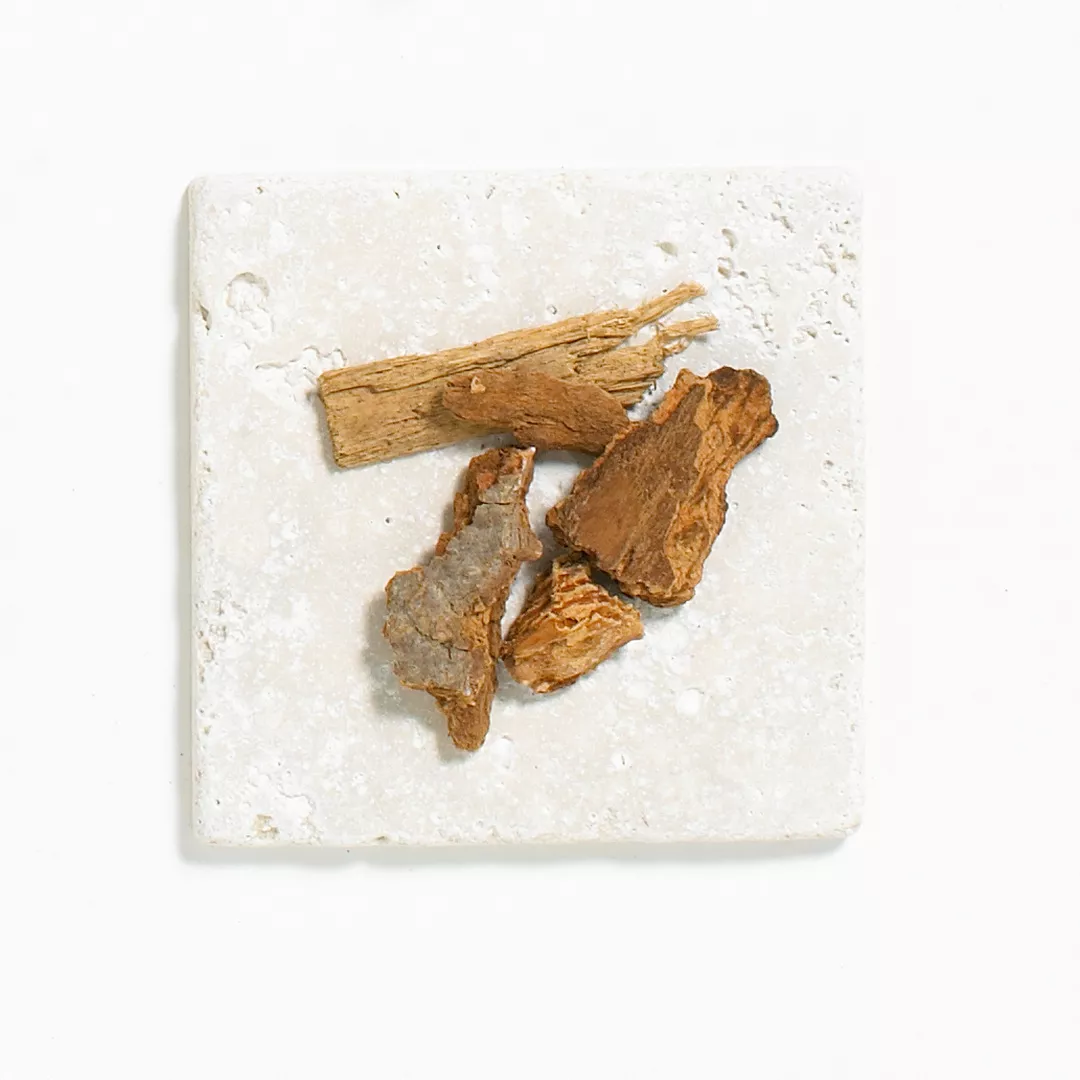
It’s a known fact that fleas hate the smell of cedar chips—and there’s a chance your cat may not be too fond of it, either. Try spreading cedar chips around your cat’s bedding or outdoors in your garden. BUt avoid using cedar essential oil, as it may be harmful to your cat if ingested.
Lemons
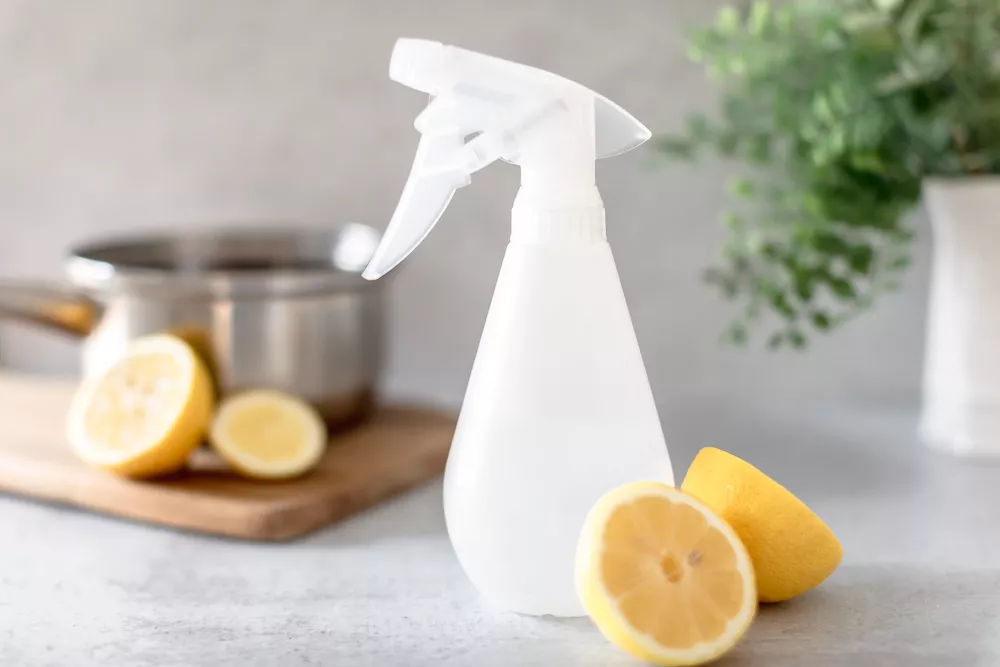
One of the most effective natural flea killers is citric acid, which makes lemon juice a widely-recognized home remedy for treating fleas. You can spray your cat’s bedding with a solution made by boiling a cut lemon or two (let the lemons steep for a few hours) and then draining the liquid before transferring it to a spray bottle. If you’re concerned about any leftover fleas and flea eggs, add a cup of lemon juice to your laundry while washing your pet’s bedding to help exterminate any remaining bugs.
Rosemary and Cumin
One of the easiest things you can do for a flea-infested cat is to spice up their life with natural ingredients you might find in your kitchen.
Fleas don’t particularly care for the smell of rosemary; try grinding the dried leaves into a powder and then sprinkling it in the areas where your cat tends to hang out in your home, such as its bed, the couch, or carpets. You can also steep the dried rosemary leaves in boiling water for 30 minutes, strain away the leaves, and then apply a small amount of the room-temperature spray directly to your pet's coat.
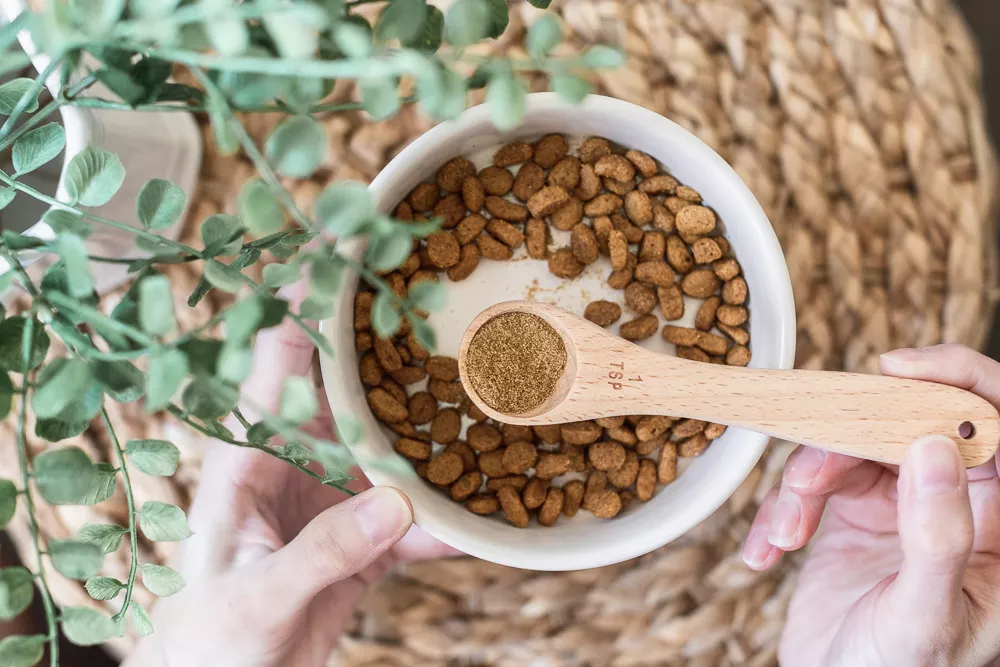
If your cat won’t allow you to apply topical treatments to their fur, you can try mixing a small amount (less than a teaspoon) of cumin into your cat’s food. The spice will make your cat’s skin very unappetizing to fleas.
If you don’t have any of these spices on hand, a little bit of table salt can also do the trick, as it helps dehydrate and kill the fleas on your cat. Better yet, it works to kill fleas and flea eggs that may be lurking on your carpet (just sprinkle it on), or when mixed with water, salt can be used to treat hard surfaces.
Apple Cider Vinegar
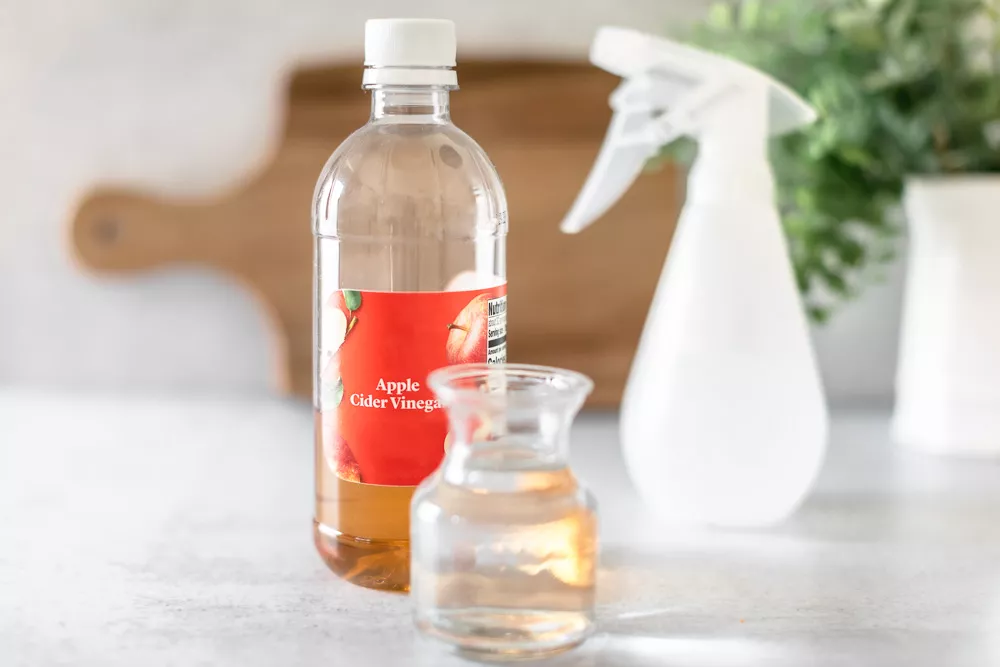
Another grocery store product that fleas don’t particularly enjoy is apple cider vinegar. While it’s not effective at killing the bugs, apple cider vinegar can cause fleas to jump from your cat’s body so that you can better tackle the issue, making it a great first attack in your personal war against fleas. Try mixing two parts apple cider vinegar with one part water and spraying it onto your cat’s coat. Fleas can be a stubborn bunch, so you may have to undergo a few rounds of apple cider vinegar treatment to see results.
Dish Soap
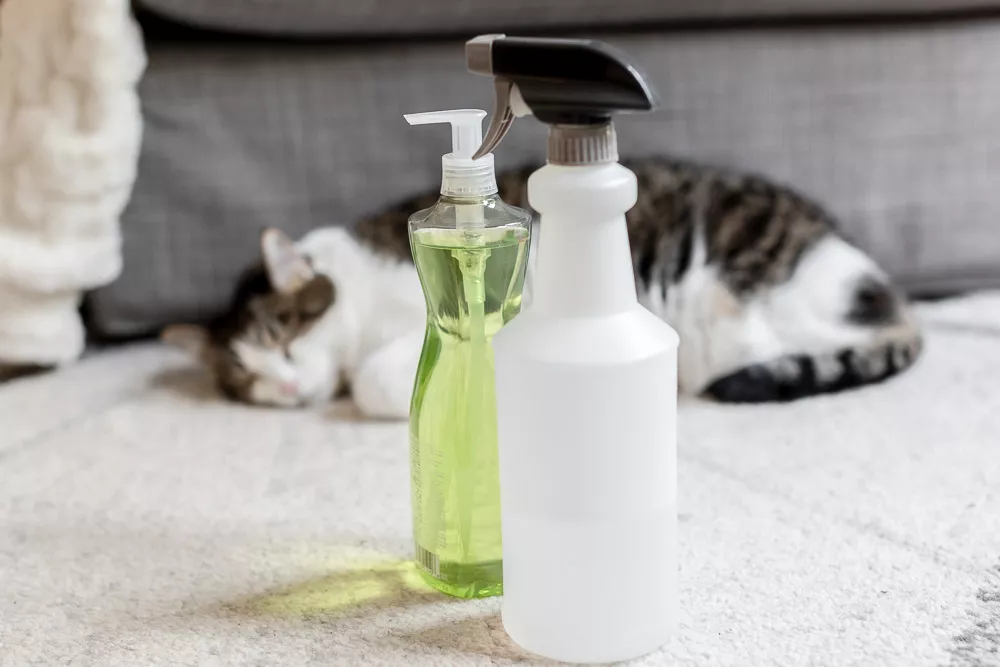
Believe it or not, even the most gentle formulations of dish soap have proven to be very effective at exterminating fleas. The dish soap breaks down the flea’s exoskeleton and kills them within minutes, even after being diluted. Simply wet your cat’s coat—a spray bottle will do the trick— and gently lather the dish soap into their fur (focusing on areas where fleas tend to hide) before rinsing. Don't bathe your cat too often with dish soap, as it can be very drying to the skin and cause issues.
To use dish soap to trap and kill fleas that have made your home their permanent residence, you can try filling a shallow dish with warm, soapy water and placing it close to a source of light. They’ll be drawn towards the light and drown in the liquid.
Lavender and Chamomile
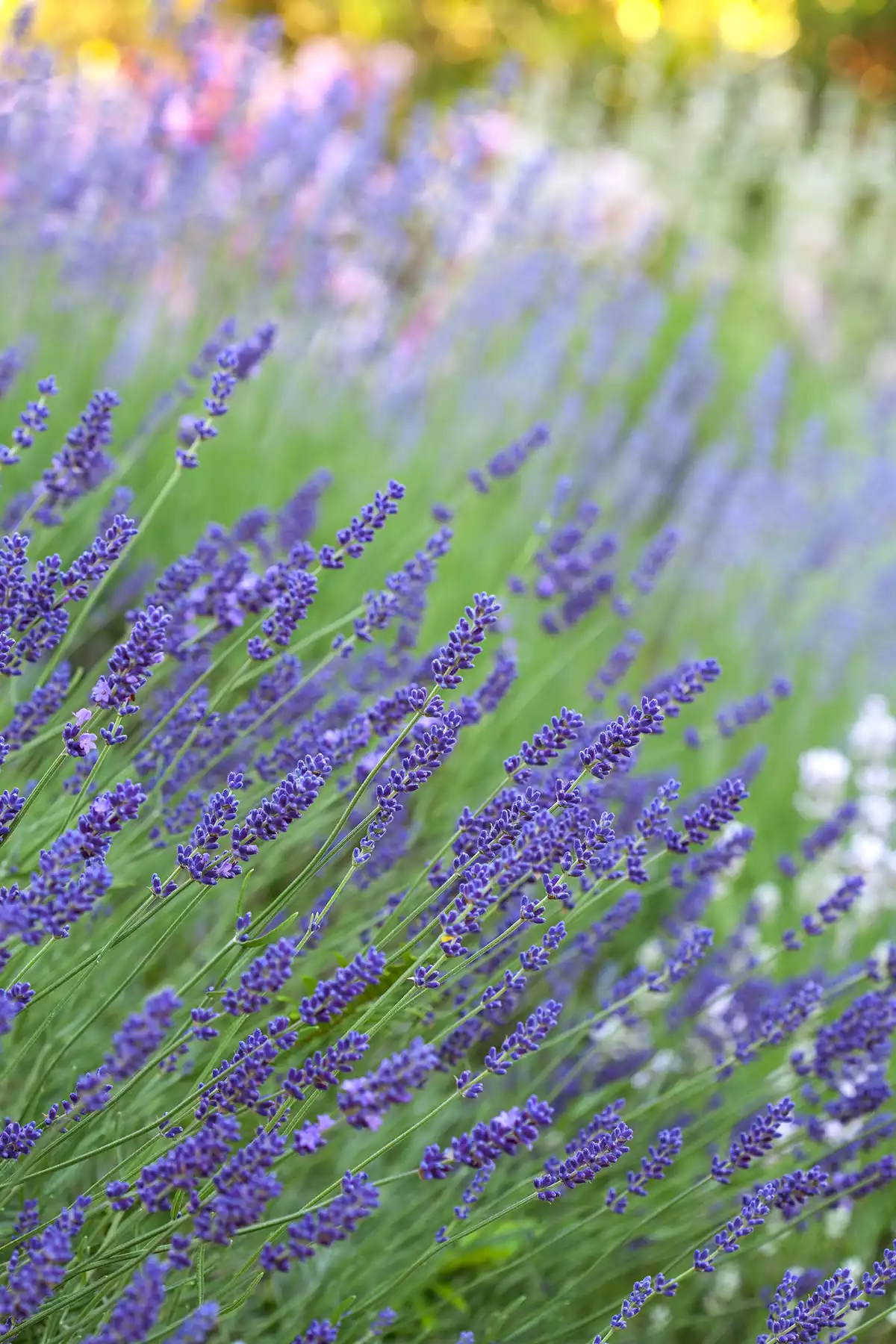
A gentle way to soothe your pet’s skin—and maybe even encourage the cat take a little nap—lavender is a powerful, fast-acting agent against fleas. In fact, some studies have shown that formulas containing diluted lavender were just as effective at killing fleas as commercial chemical sprays. To put lavender to good use in your home, let fresh lavender steep in water overnight before straining the liquid and spraying it onto your cat’s coat (no need to rinse).
Another compound that’s known for soothing the skin, loose chamomile tea can also be used to attack fleas on your feline friend. Simply steep the tea, and when it’s fully cooled, apply the liquid to your cat’s coat. You can repeat both treatments daily for as long as needed.
Coconut Oil
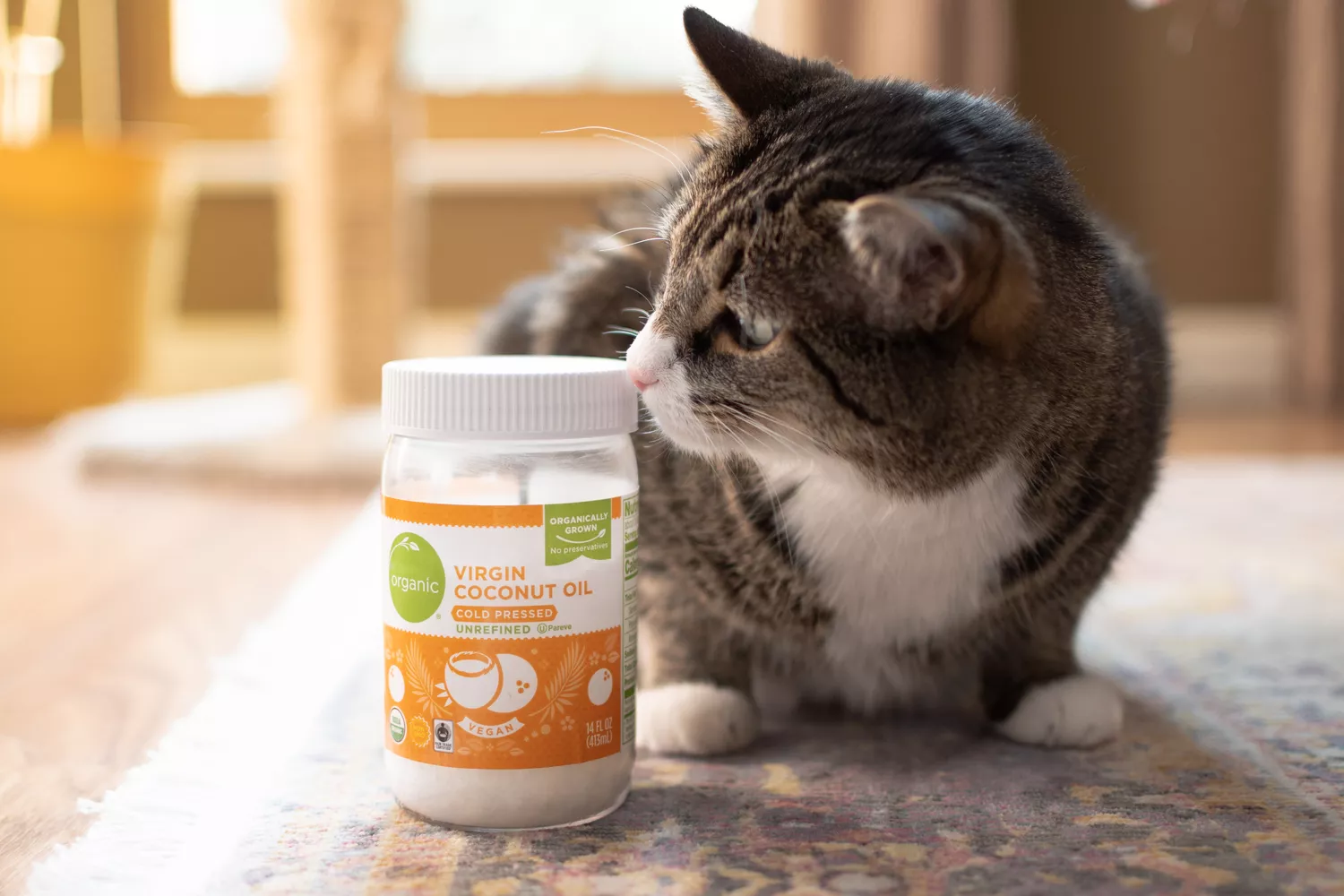
Coconut oil is loaded with healthy fats that soothe itchy skin, shine up a dull coat, and best of all, smother fleas and other external parasites. You can use coconut oil to relieve your feline's flea problem, but be warned that you'll also need to bathe your cat. Start by bathing the cat with a cat flea shampoo, and then smooth coconut oil over the cat's damp fur. Keep your cat contained in the bathroom for a couple of hours while the coconut oil works its magic, and then rinse your cat to remove the oil and the smothered fleas. Dry your cat thoroughly with a soft towel, and brush their coat to remove any lingering oil or fleas.
Flea Comb
One very effective method for removing fleas from your cat naturally is a flea comb. These are combs with very fine, closely spaced teeth that physically remove fleas from the cat's coat. Keep a bowl filled with soapy water next to you while you work, and dunk the fleas into the water with each pass of the comb through the cat's fur. The fleas will drown in the soapy water and your cat will gain sweet relief not only from the insects' bites but also from the annoyance of loose, shedding fur. A win/win for you and your pet.

Oregano Oil
Because of a natural compound known as carvacrol, oregano oil can be very effective at removing fleas. Start by mixing one teaspoon of oregano oil with three teaspoons of olive oil and apply tiny amounts of the solution to areas of your cat's body where fleas tend to congregate, like your cat’s ears, stomach, tail, and neck. Be sure to use small amounts to prevent your cat from ingesting too much while grooming.