What to Do if a Scorpion Stings Your Cat
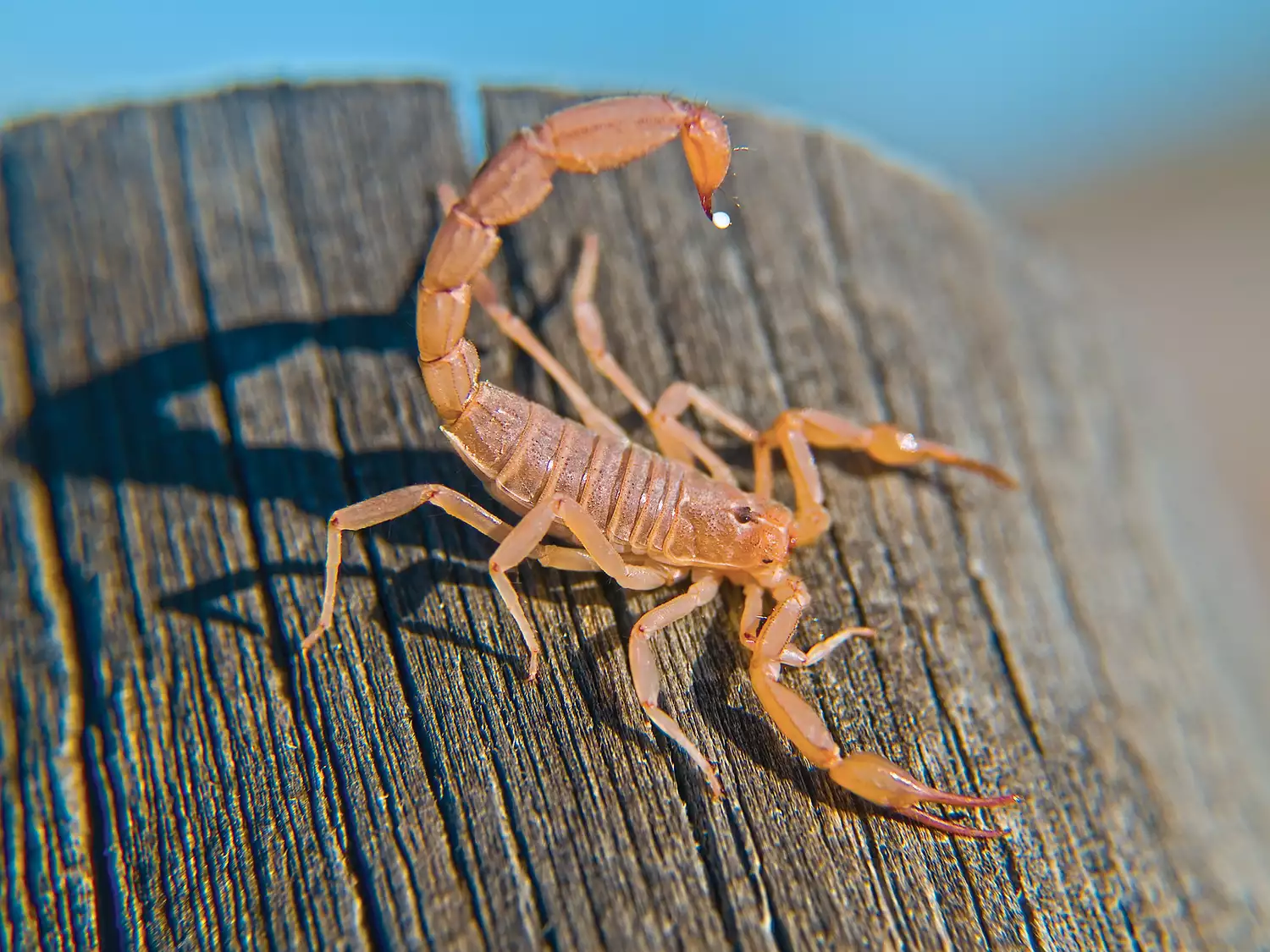
Many scorpion species exist globally, with several found in North America. Scorpions possess needle-like stingers to inject venom and can regulate the amount during a sting.
Cats are known for chasing insects and small creatures, often playing or attempting to eat them. But what happens when a cat encounters a scorpion?
Are Scorpions Deadly to Cats?
All scorpions are considered venomous, but most are not considered deadly. One species known to be especially lethal is the bark scorpion. Though uncommon, these scorpions can be found in Arizona and the surrounding desert region.
The belief that cats are immune to scorpion stings is a myth. However, cats seem to be stung less often than dogs and humans, likely due to their agility and reflexes, allowing them to avoid danger. Some theorize cats hide after being stung, remaining unnoticed by their owners. Additionally, scorpions tend to flee rather than attack, possibly being frightened away by cats.
Do not assume scorpions are harmless to cats. While death from a scorpion sting is unlikely, it is possible. Additionally, non-deadly stings can cause significant pain and injury to cats.
Some scorpions will attack with their pincers rather than stinging. While this will not poison a cat, it can still cause pain and injury.
If your cat catches and eats a scorpion, it is generally harmless. However, monitor your cat for signs of a sting.
Signs of Scorpion Stings in Cats
Cats stung by scorpions often display obvious signs, but might also hide due to fear, thus concealing symptoms. If your cat hides uncharacteristically, find them and assess their condition.
Scorpion stings are very painful, similar to or worse than bee stings. The venom, a neurotoxin, can affect a cat's central nervous system. Cats stung by scorpions may show these signs:
Pain at the site of the sting
Vocalizing
Licking or pawing at the sting site
Swelling
Limping
Drooling
Head-shaking
Agitation
Drunkenness
Tremors
Dilated pupils
Abnormal heart rate and blood pressure
Abnormal eye movements
What to Do if Your Cat is Stung by a Scorpion
If you suspect a scorpion has stung your cat, act quickly. Don't assume they'll be fine, but remember that fatalities are uncommon. Stay calm while caring for your cat.
Immediately check your cat for signs of a sting (or any other signs of illness). If nothing can be found, simply keep a close eye on your cat for the next few hours. Most signs will begin to appear within 10 to 15 minutes.
If the scorpion is dead and can be found, try to save it in case your vet needs to identify its species.
If you think the culprit was a bark scorpion, then it's best to get your cat to the nearest open vet's office right away, even if it means a trip to the animal emergency clinic.
Contact your veterinarian to ask for advice, even if you are not certain whether or not your cat was stung.
Your vet may recommend you bring your cat in right away. Or, you may be advised to give diphenhydramine, an antihistamine commonly known as Benadryl.
Do not attempt to treat your cat without consulting your veterinarian; this can make matters worse.
If you live in areas with scorpions, encounters are likely. Cats are generally more inclined to scare off scorpions than get stung. Still, monitor your cat closely and seek medical advice promptly if an encounter occurs.



