How to Stop Cats from Biting and Scratching
There are several basic kinds of aggression-based biting and scratching behaviors in cats, and some of them are traceable to behavior they learned from their owners or interactions with their owners. Kittens learn to bite and scratch as a normal part of development, and if not trained early, they won't know when using their claws and teeth is not appropriate.
Thankfully, there are some tried-and-true methods to help curb this behavior, but some unusual scratching and biting could be a sign of an underlying illness.
Establish Boundaries
One of the first rules for cat owners is not to teach your cat that hands are toys. This behavior should be addressed when the cat is a young kitten. Ignoring this advice could lead to those tiny claws and teeth becoming razor-sharp, and you'll bear the scars.
Do not use your hands as toys and rough house with them as they will not likely hurt you when they are kittens, but once fully developed they will think they can still play this way despite having larger and stronger jaws and claws. Hands should only be used for petting and carrying. It should be established early that any "mouthing" is painful to you, even when it may not be painful. Once this is established, you will need to direct playful behavior onto other objects.
Why Do Cats Bite and Scratch?
Aggressive biting often occurs during a petting session when the owner misunderstands or disregards the cat's body language. While some cats enjoy lengthy petting, others can become overstimulated and want to end the session but lack a way to communicate this.
An annoyed cat signals its feelings with narrowed eyes and pulled-back ears. If you wait for the inevitable tail lashing, you've waited too long, and you may be rewarded with a bite. The rule here is to watch the cat's signals and stop whatever you're doing to prevent an escalation. Once you know what your cat's triggers are for aggression, you can limit these interactions or prevent them entirely. For some cats the trigger may be petting them on the belly, petting them for too long, or being too rough when petting them near the base of the tail. Learn what your cat does and does not enjoy and follow their lead when petting them.
Other Animals
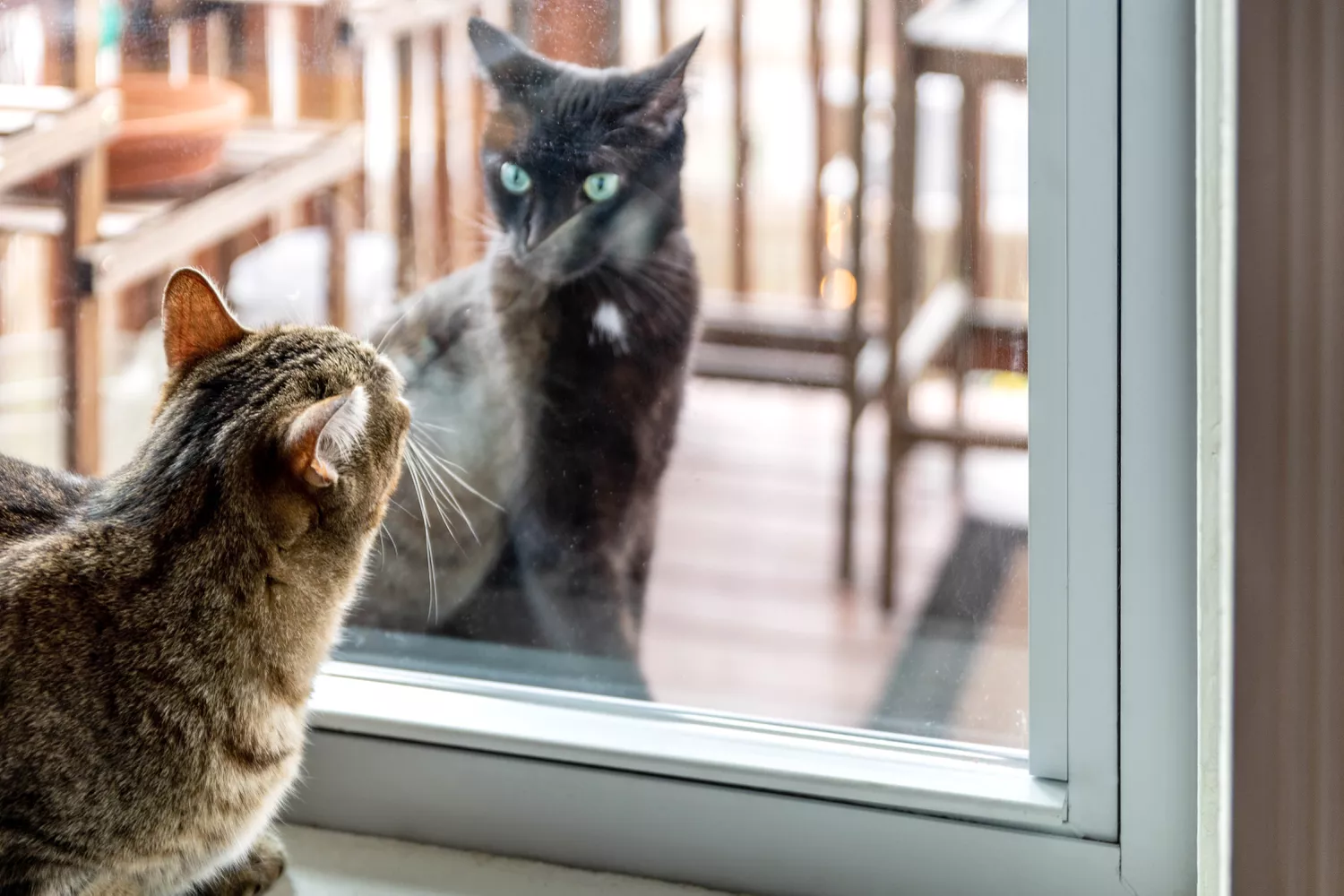
Your cat may become upset upon seeing a strange cat through a window and react by attacking the nearest thing, often you or another cat—a classic example of redirected aggression. Addressing this behavior will require creative strategies.
First, remove your cat to an area where it can't see the strange cat. Next, reassure your cat; spend extra time carefully petting and playing with it. Give your cat extra treats when it's able to interact calmly. In extreme cases, your veterinarian may prescribe medication to help your cat feel less anxious. If you know who owns the cat, you may also politely ask your neighbors to keep the animal indoors to prevent episodes of redirected aggression.
Medical Causes
New and unusual behavior problems in your cat, such as aggressive biting and scratching, may indicate an underlying illness. Medical causes range from undetected wounds and stress from mites or fleas to a hormonal imbalance, such as hyperthyroidism.1
If an otherwise docile cat exhibits sudden and unexplained aggressiveness toward you, especially when being handled, a visit to your veterinarian is in order. They will likely look for sources of pain or discomfort as well as recommend bloodwork.
Hyperesthesia
Hyperesthesia is a rare condition characterized by bursts of exaggerated grooming or aggressive behavior in certain cats. It typically first appears in cats around a year old and is more common in breeds like Siamese, Burmese, and Abyssinian cats. Symptoms of hyperesthesia include excessive grooming, self-mutilation, sudden aggression without a known cause, and in severe cases, seizures.2
Although there's some debate about what causes it, some veterinarians believe hyperesthesia is a neurological condition similar to panic attacks in humans, some experts believe the attacks are triggered by stress, and others associate it with a type of seizure disorder.3 In any event, a cat with sudden aggressive behavior (such as biting) who experiences seizures should receive a neurological exam from a veterinarian or a veterinary specialist.
To prevent or stop episodes of hyperesthesia once they've started, dropping a towel or blanket over the cat can help contain it or disrupt it. In some instances, your vet may prescribe anti-anxiety or anti-seizure medication to help curb the seizures and other behaviors.
How to Stop Biting and Scratching
When a cat habitually bites or scratches, training out of this behavior can be challenging. It requires patience and time, but you can train your cat not to target you with its playful attacks that it might consider playtime.
There are a few things you can do to distance yourself from play attacks by your cat:
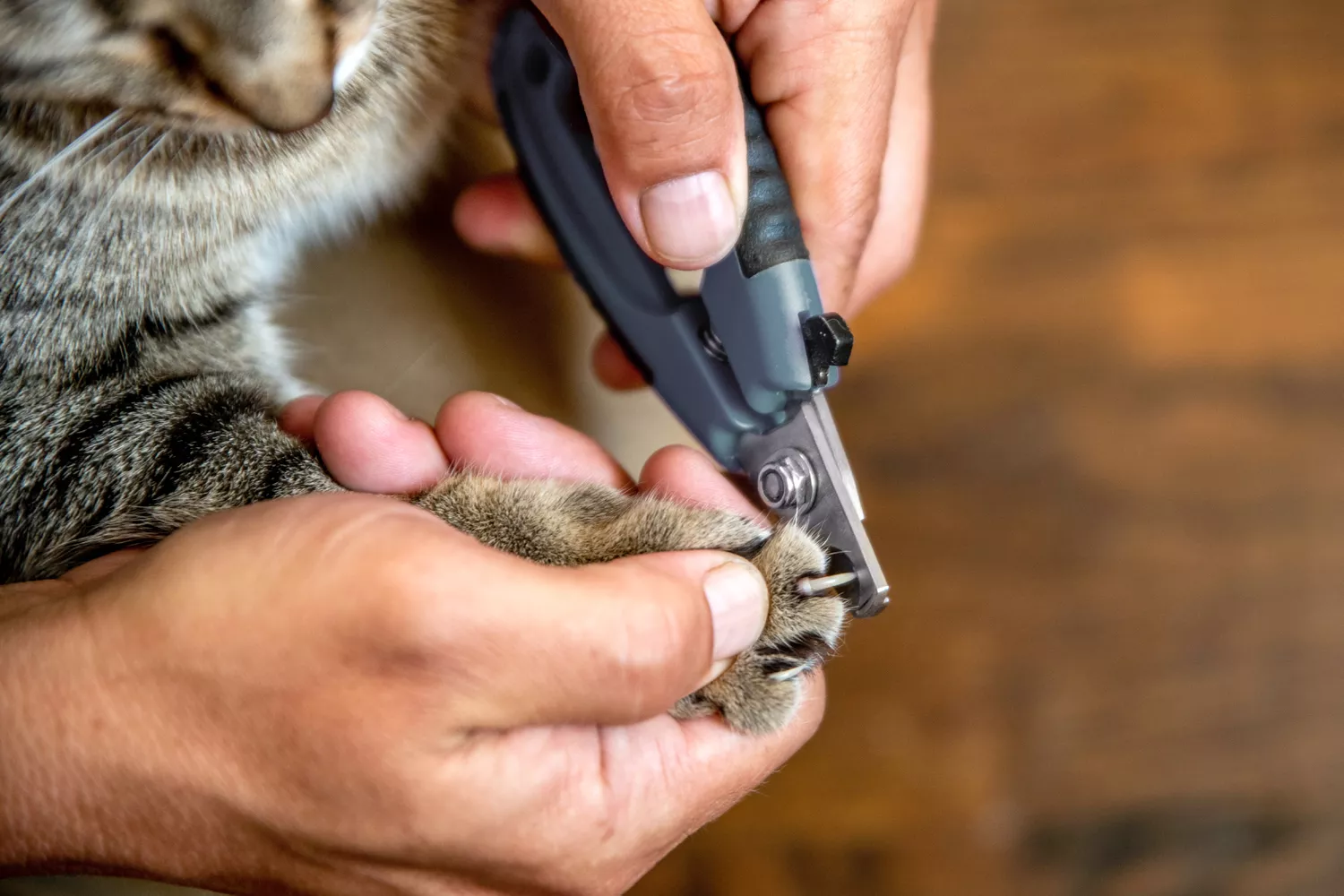
Trim its claws. Claw trimming should be done regularly anyway to keep cats' claws from becoming ingrown. There's no need ever to declaw a cat because of scratching behavior, but keeping those claws trimmed can make the rogue attack less painful for the recipient.
Say, "No!" Or any other single-word phrase to use when correcting your pet. Use this one word as your "corrective" word and be consistent in its use. Don't scream it, but say it loudly and clearly. This may startle the cat but serves to break the cat's focus. While you have your cat's attention, slowly remove your hand from its clutches. Don't yank it away or the cat will think the play is on and grab it again.
Grab the cat by the scruff. This should only be done in severe circumstances, where you are afraid your cat may continue to hurt you. It mimics the punishment a mother cat gives to an unruly kitten. Grasp the cat by the scruff of its neck, pick the cat up, and move it to another area of the house or room. This serves to break the behavior and remove them from the situation causing you pain. Once corrected, try to redirect their behavior to something appropriate.
Redirect its attention. Playful biting of hands or feet often occurs simply because your cat is bored and is looking for a play object. Give it 15 minutes of active play with an interactive toy. You can also direct them to a scratching post or another outlet for their behavior. This accomplishes the need to not just correct them but also give them an outlet for their behavior that is appropriate.
Know your cat. It's up to you to be aware of changes in your cat's behavior or physical condition. Try to routinely examine your cat so it's accustomed to you touching every area of its body, from head to toe. Then keep your eyes open for the warning signs of impending aggression.
If Your Cat Is Still Biting
Schedule an appointment with your veterinarian. They will ask detailed questions about the behavior type, the circumstances, your home environment, and your corrective techniques. Sometimes, they may conduct bloodwork to check for conditions that could increase aggression. If necessary, they might refer you to a behavioral specialist.



