Why Does My Cat Keep Knocking Over Their Water Bowl?
Cats and kittens are known for disliking water. Most will avoid getting wet, but some enjoy playing with water bowls or finding other water sources in their environment. The question is whether this behavior stems from curiosity or an underlying health problem causing excessive drinking. If your kitten or cat is splashing in the water bowl rather than drinking, a health issue might be affecting their natural need for hydration.
Why Do Kittens Splash in Water?
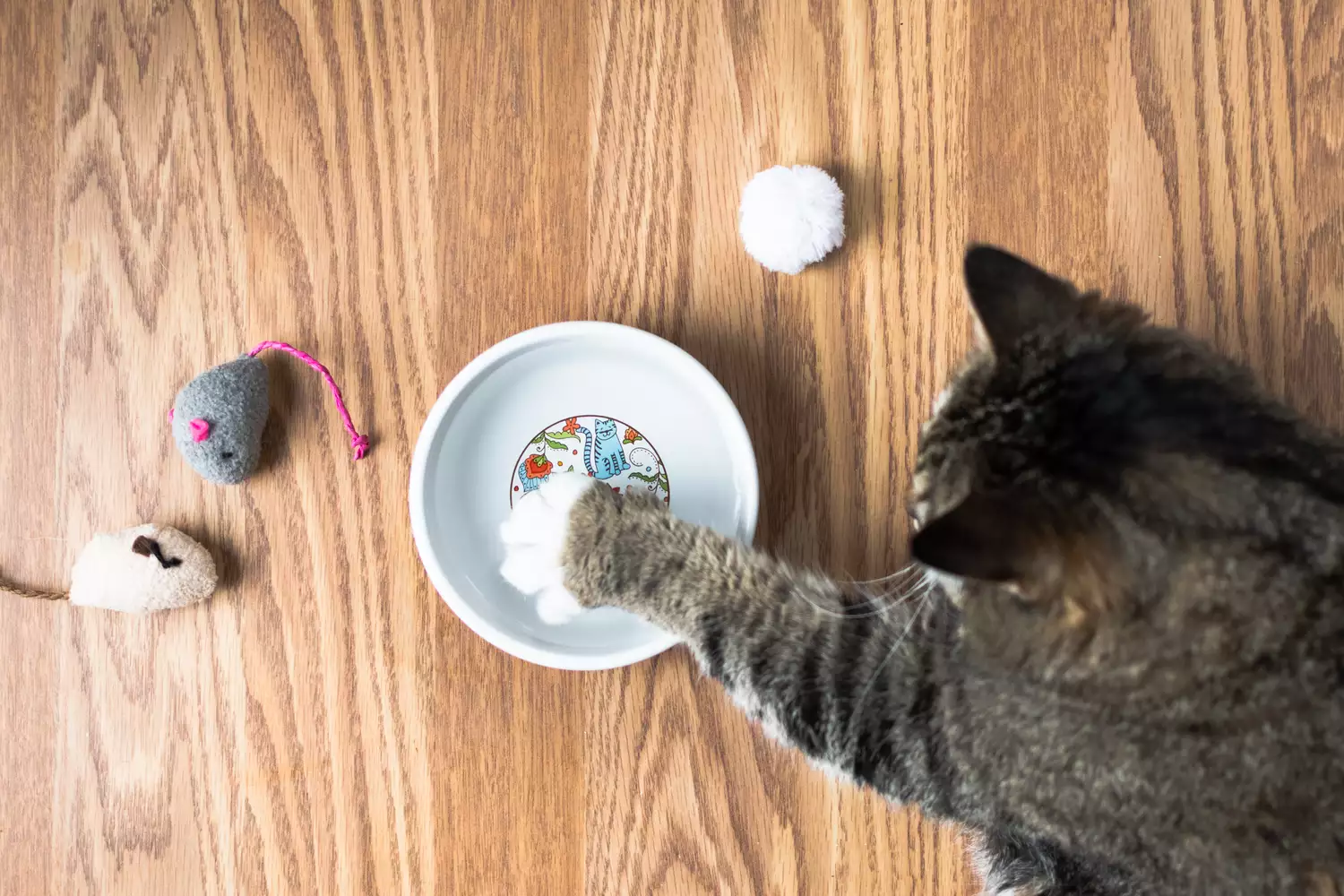
Kittens are naturally playful and often manipulate objects with their paws, which may explain their interest in playing with water. Since cats groom themselves by licking their fur, it's unlikely they are using their water bowls for bathing. Instead, kittens probably play with water to learn about their environment.
Some cats do like water. Certain breeds, like Maine coons, often tolerate water better, and kittens exposed to water play or baths may continue to tolerate water as adults. Some cats prefer freshwater and might play with water to recreate its rippling effect rather than drink from stagnant bowls.
Health Issues
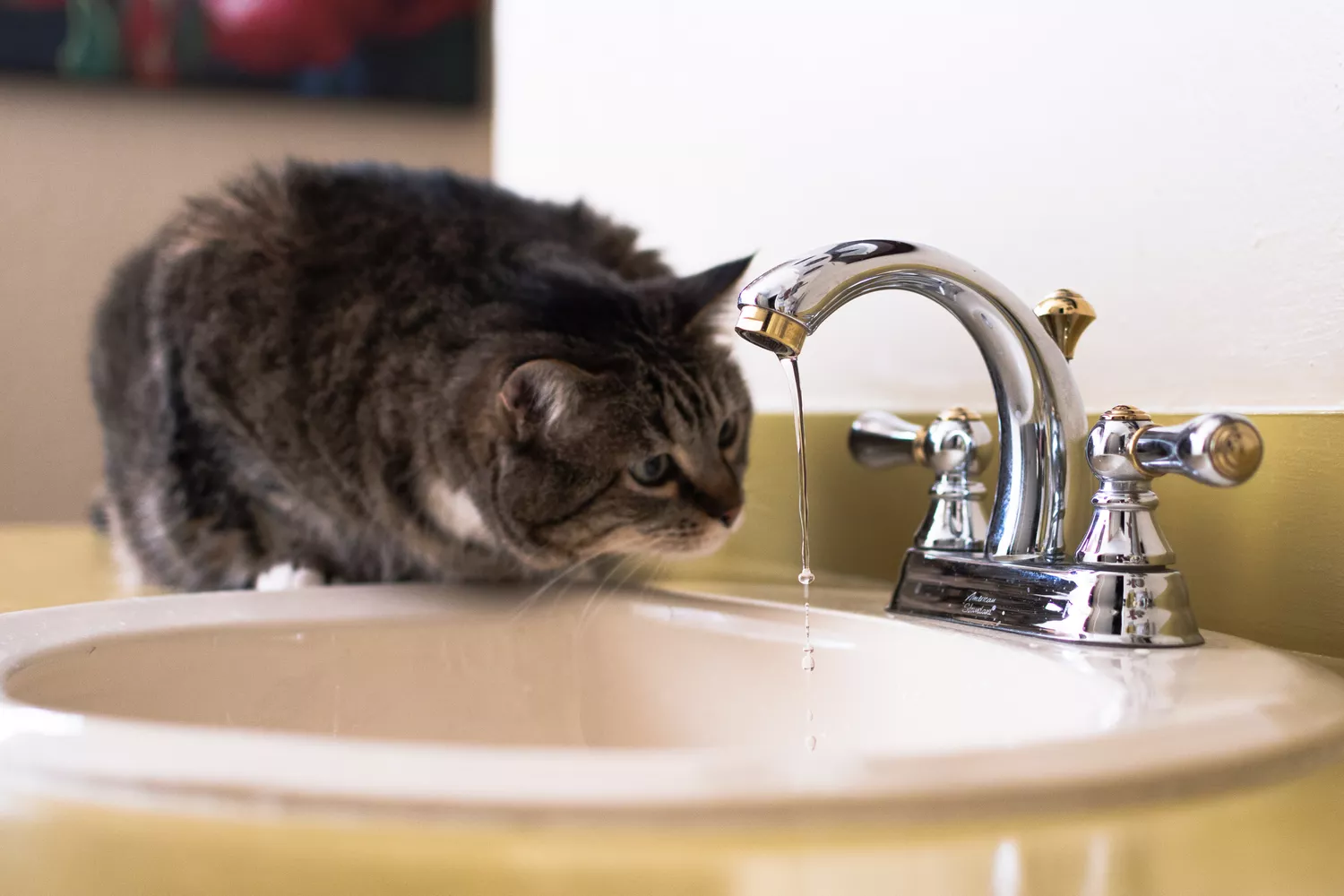
Before you start to work on behavioral issues, take your cat to the vet to ensure there isn't a medical reason for their interest in water. Diabetes, kidney failure, and thyroid issues can increase thirst. Affected cats might drink from bowls more often, creating messes by splashing or pawing, and seek other water sources like faucets or toilets.
Cats with health problems often display other illness signs, like lethargy, confusion, or changes in appetite. Though it's uncommon, young kittens can still develop these conditions. If your kitten drinks excessive water or spends a lot of time focused on the water bowl, contact your veterinarian.
Anxiety or stress sometimes prompts strange behaviors in cats. A cat may put their paws into the water bowl or try to climb in. Separation anxiety often motivates cats to seek attention from owners by exhibiting abnormal behaviors. Sometimes this manifests as litter box issues, such as urine spraying or defecating in an inappropriate area. For some cats, separation anxiety may lead them to splash in the water dish, push it aside, or try to overturn it to get your attention. Obsessive-compulsive disorders can become worse with stress as well. Kittens are rarely affected by these types of long-term behavioral patterns.
How to Stop Cats From Spilling Water
Sometimes, a kitten playing in water is simply acting their age. Some young cats love patting around in water, while others avoid it. Kittens often outgrow behaviors like splashing in water, so patience might be the best solution if your young cat uses their water bowl as a toy.
Kitten play with objects is most active until about 5 months old before declining. If your kitten's behavior doesn't decline as they mature, redirect their focus to better outlets for play by providing different toys.
Resolve Any Health Issues
If your cat drinks excessive water or spills water due to a health issue, your vet will identify the underlying cause and provide treatment options. Your cat might need prescription medication, and addressing the health issue should resolve unwanted water bowl behavior.
Reduce Stress
Managing stress can be challenging. If you can't identify the specific issue, a board-certified veterinary behaviorist can assist in diagnosing and correcting the problem. Meanwhile, try these techniques focused on the water bowl:
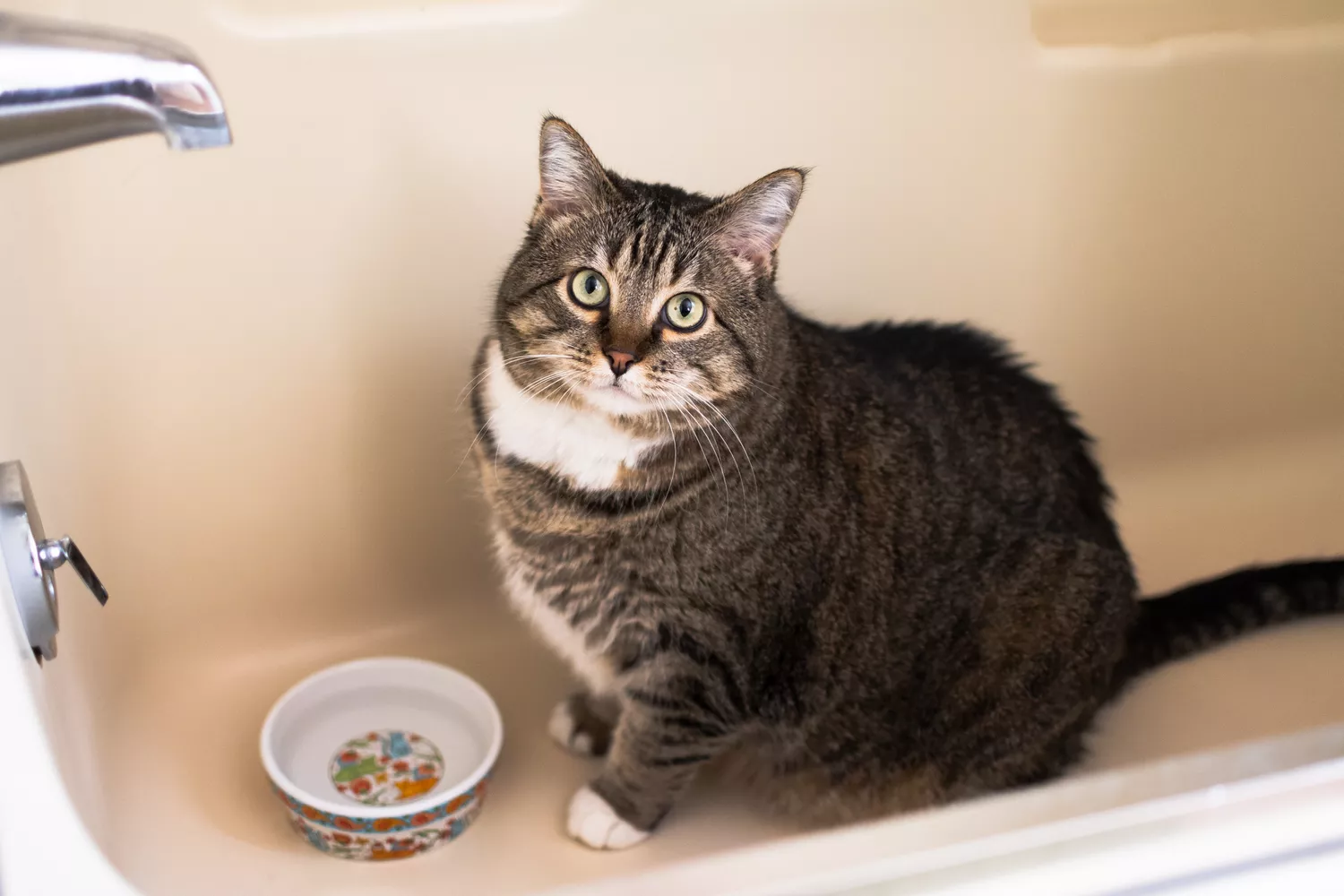
If you have a shower or bathtub, consider placing a bowl filled with water in it and showing it to your cat. You can reinforce your cat's play with treats and praise to encourage them to only play with water bowls inside the shower, where spillage won't be an issue.
Change your cat's water frequently—at least once daily. You can add ice cubes so the water is cold although some cats may see the cubes as toys and will play with their water even more.
Try alternative water bottles like non-spill bottles that are used for guinea pigs or other small animals.
Try a fountain-type water bowl that has a continuous flow cycle, so the water is always fresh.