What Age of Dog Should I Adopt? The Pros and Cons of Each Life Stage
Are you thinking of getting a new pet? Choosing the right dog for your family is essential, and part of this decision involves considering the pup's age. Each stage of a dog's life offers various advantages over the others, so it depends on what matters most to you. Here are the pros and cons of adopting dogs at all the different life stages.
The Settled Senior Dog

Officially considered seniors by age seven, most dogs don't earn the "settled senior" title until they are nine years or older, particularly smaller dogs that mature more slowly than larger breeds.
Pros
Senior dogs can be wonderful, sweet-tempered animals that don't get quite as excited or anxious as young dogs. They are typically happy to go for a stroll or lounge on the sofa beside you.
Most senior dogs have already been house trained, evaluated for their compatibility with other animals and children, and have had additional basic training.
Even knowing that heartache could be right around the corner, most owners would do it again and again because the joy is just so much more. Plus, a nine-year-old dog may still have another four years left to live. Why not help make those years as comfortable and content as possible by giving him a lovely retirement home?
Cons
A senior dog may have age-related issues that could be either time-consuming (sight or hearing loss) or expensive.
Senior dogs may be harder to train against undesirable behaviors. You can teach an old dog new tricks, but undoing habits is harder.
Dogs wiggle into your heart rather quickly, and adopting a dog that is 10 years old could mean that your relationship is of short duration.
The Mature Adult

Between the ages of three and six, a dog truly matures. He knows what feels good, what tastes good, and how to get what he wants. Adult dogs settle into the good life with little fuss.
Pros
Adult dogs in shelters and rescues are usually mostly house-trained, if not completely. Many have had basic training (sit, stay, come, etc.).
Most adoptable dogs have been evaluated by shelter volunteers for compatibility with other animals and kids.
A full-grown adult dog can still be puppy-like in his desire to play and run with you. Dogs of all ages love to play, and a full-grown dog has fewer physical limitations on what kind of physical activity it can do.
Cons
It's harder to train an adult dog against certain unwanted habits, like counter-surfing, garbage-eating, etc. Luckily, it can be done; it just takes persistence and consistency.
The fear that an adult dog won't bond properly with his new owners is a big one. Some breeds are notorious for being "one-man" dogs, and this puts off a lot of potential adopters.
The Adolescent Age

The age range of one to three years is often the most frustrating period for dog owners. Like teenagers, these dogs push boundaries and test limits with various antics. Consistency and supervision are crucial at this stage, even if it means revisiting basic puppy training.
Pros
Dogs over a year old have made connections between behavior and reward, even if that reward is slightly delayed.
The age-related restrictions on physical exercise have started to lift, allowing for more strenuous play with your dog, like longer hikes, jogging, jumping games, and dog sports (if you are so inclined).
Adult dogs at this age are already done growing, so you know how big they're going to get. There's also more predictability when it comes to their personality and behavior compared to a puppy.
Cons
There might be behaviors that you need to deal with, like counter-surfing, biting, and inappropriate marking.
Adolescent dogs will push their boundaries and constantly try to get away with things. It takes a leader to get through the adolescent stage, but once you do, the rest is likely smooth sailing.
The Puppy Stage
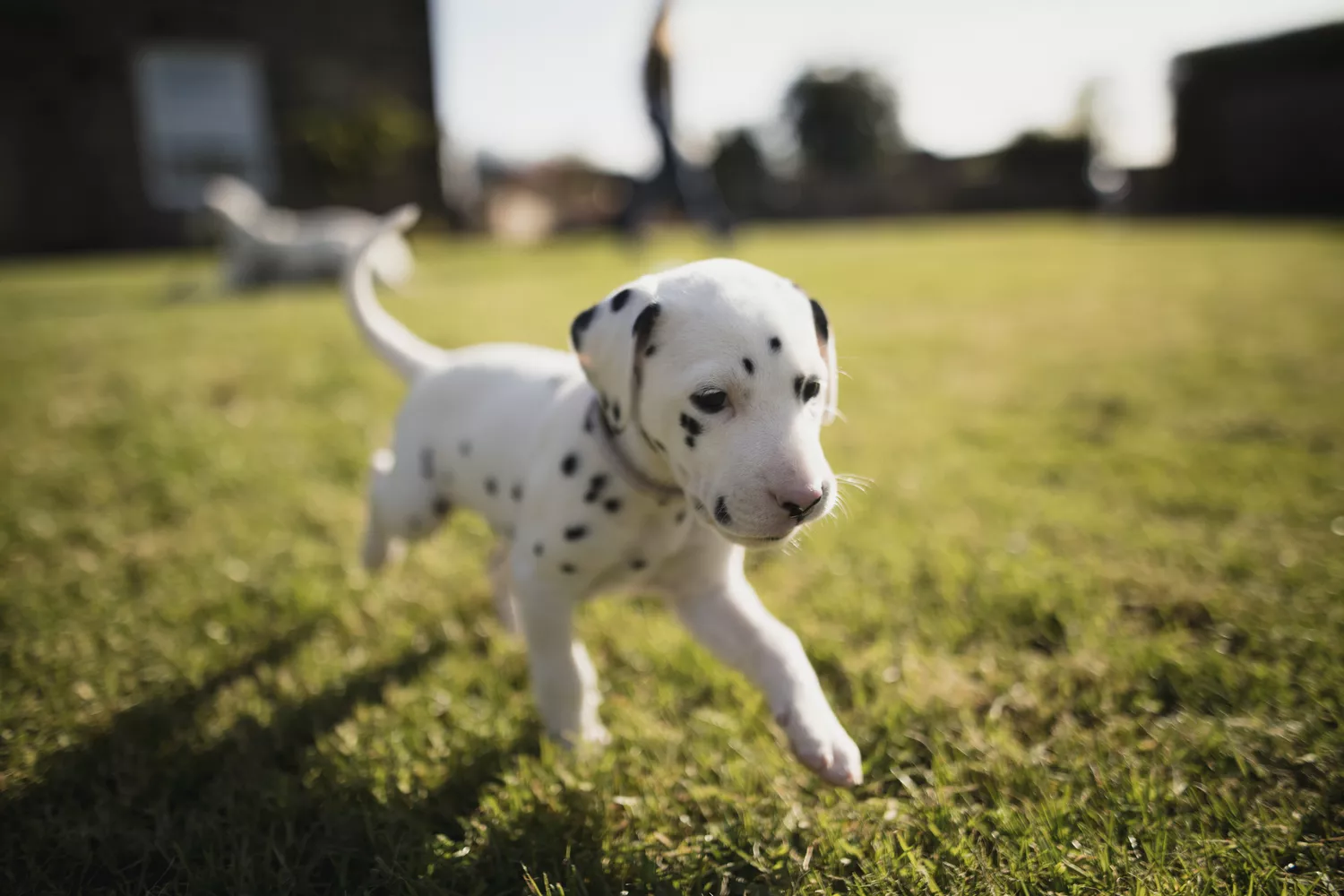
Nobody can resist a puppy; that sweet puppy smell, that adorable face, and the insatiable curiosity. All cuteness aside, puppies are a lot of work. Though many pet parents think it's worth the effort, make sure you know what you're getting into before bringing a puppy home.p
Pros
Starting with a puppy is starting with a blank slate. While genetics do play a role in how your matures and what type of personality he develops, most of his adult life will be shaped by you, his owner, trainer and "parent."
Puppies are adorable!
Cons
Puppies take a great deal of time. You really don't want to get a puppy when you aren't home often. Your puppy will be missing out on valuable training and socialization if he is left alone for long periods.
You will need to invest a little more money at first on your puppy's vet care for things like vaccines and spay or neuter procedures.



