7 Things to Know Before Getting Your First Puppy
Planning to get a puppy? There's a lot to consider to prepare both yourself and your home for a new furry friend. Consider where your puppy will sleep on their first night, who will care for them throughout the day, and ensure you have all necessary supplies ready.
Avoid the urge to adopt impulsively. Research to determine if you're prepared for puppy ownership and learn how to adopt responsibly. Educate yourself on how to best prepare for and raise your new puppy.
01 of 07
Are You Ready for a Puppy?

Puppies are adorable but very time-consuming. First-time owners might not realize what's involved in puppy care. Owning a dog, especially an adult dog. Raising a puppy requires an even higher level of commitment.
Young puppies require feeding three to four times daily. Take them outside immediately after meals or drinks to help with housetraining. Expect some accidents indoors during this training phase, leading to frequent cleanups.
A puppy may wake you up multiple times at night, either needing to go outside or out of boredom.
A young puppy can't be left alone for more than a few hours. The puppy should stay in a crate when alone; this aids in housetraining and keeps the puppy from chewing up everything in your house. However, after a few hours, a puppy can't hold its bladder (and sometimes bowels too).
Puppies can be quite destructive. They explore by chewing and licking, and sometimes eating inappropriate items. Without manners, they may appear unruly or hyperactive. Training and socialization, along with ample exercise, are vital and time-consuming.
Are you ready to come home midday to care for your puppy? Can you handle nighttime disturbances? Do you have time for hours of training and socialization weekly? Consider how this might affect other pets or people at home—is a puppy too disruptive for your household?
For a young puppy, prepare to dedicate plenty of lot of extra time with it, especially for the first few months. If this sounds like too much, but you still want a dog, consider adopting an adult dog.
02 of 07
What Kind of Puppy Is Right for You?
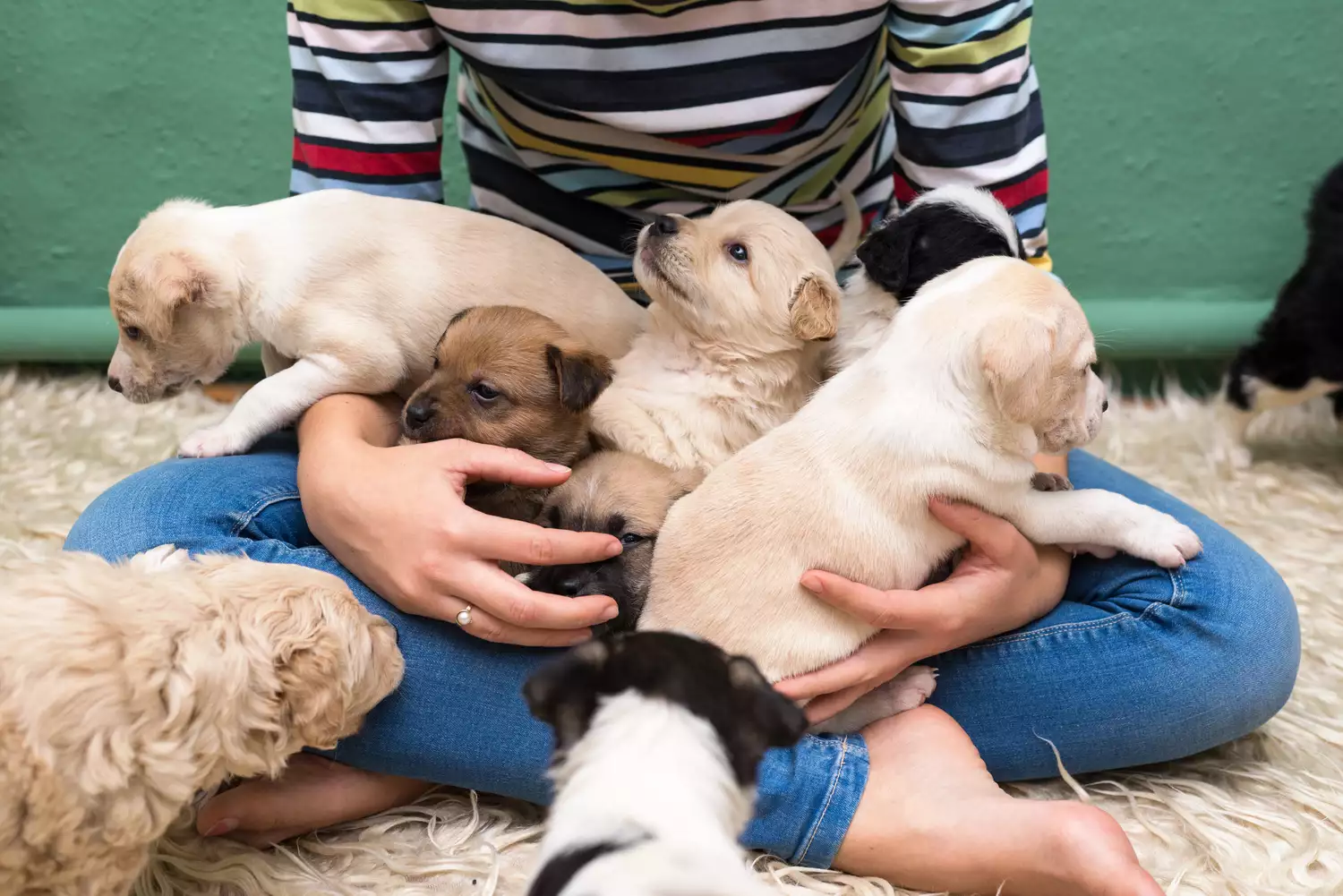
You've examined the pros and cons and decided the timing is right for a puppy. Congratulations! Now it's time to find your new companion. But where should you start?
First, determine what kind of puppy suits you best. Create a list of must-have traits, preferred attributes, and deal-breakers.
How big or small do you want your dog to be? Small dogs often do better in smaller spaces. Food, supplies, and medications are more expensive for large and giant dogs.
Do you want a dog that stays very active as an adult, or would you rather have one that will likely calm down in a year or two? How much exercise can you provide?
Consider hair coat type as well. Are you willing to deal with shedding? Or, do you want a dog that sheds very little? Low-shedding dogs often need to make regular trips to the groomer. Can you afford this?
03 of 07
Where to Find Your New Puppy
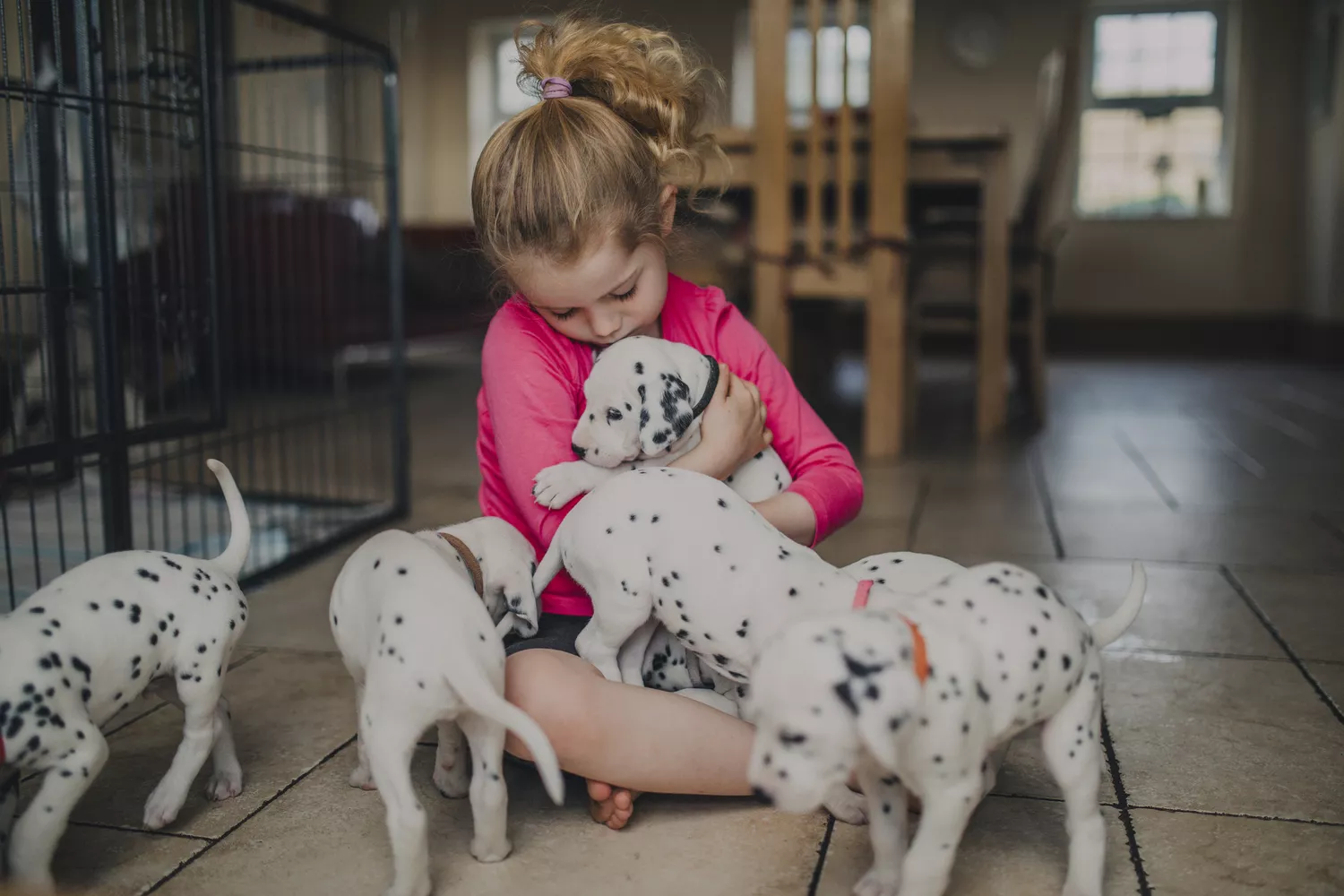
Once you have gotten an idea of what type of puppy you want, its time to begin your search.
If possible, consider adopting a dog first. Mixed-breed dogs are wonderful and often underrated. Local shelters and rescue groups have mixed-breed puppies waiting for homes, and it's worth visiting even if you're unsure about adopting one—you might just find the perfect match!
You may truly have your heart set on a purebred dog. Many people have a favorite breed or need to know more accurately what to expect when the dog is grown. Factors like the size and coat type are very predictable in a purebred dog. Health concerns, temperament, and energy level are somewhat predictable but not guaranteed.
When buying a purebred, prioritize responsibility. Seek breeders with stellar reputations, avoiding backyard breeders. Never buy from pet stores, as their dogs often come from puppy mills. Don't buy a dog from a flea market or a classified ad; these puppies have unknown backgrounds and may be unhealthy.
When you find the right puppy, you'll simply know. Many owners feel their canine companions choose them, not vice versa.
04 of 07
Puppy-Proof Your Home

Before bringing home your furry friend, prepare your home by puppy-proofing each area. Destructive behavior is common, can frustrate owners, and may endanger your pet as puppies tend to find potentially harmful items.
The safest way to protect your puppy is through constant supervision. Use a crate when you’re away, but ensure absences don’t exceed a few hours for very young pups. Allowing free reign of the house should wait until they're older and well-trained.
05 of 07
Stock Up on Puppy Supplies
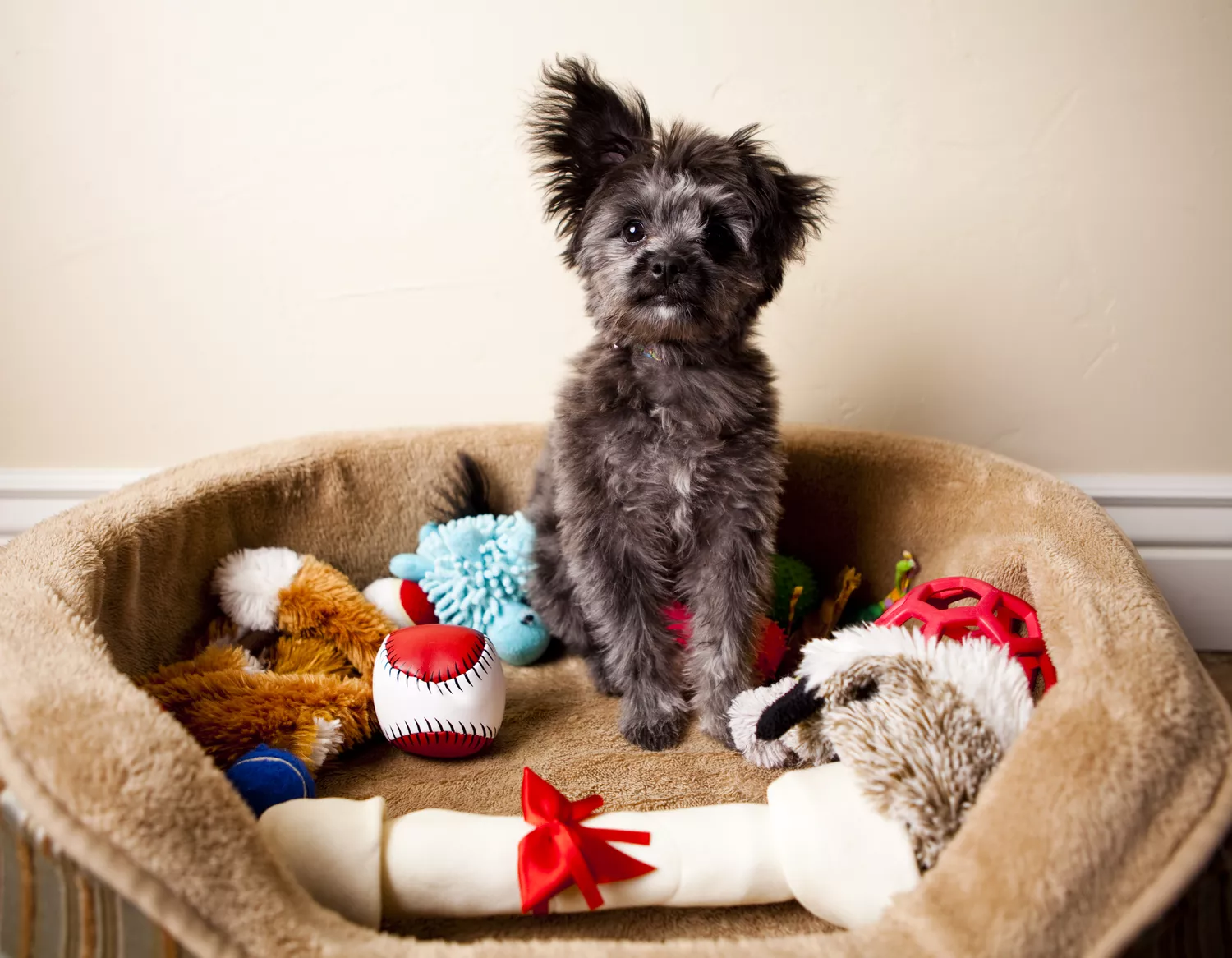
Gather various supplies before bringing your new puppy home. Prioritize basics to avoid unnecessary items, like toys your puppy might ignore or beds they won't use. Here are a few essential items to start with:
Basic 4- to 6-foot leash (later you can get an extra-long one for training)
Adjustable collar with ID tags
Metal or ceramic pet bowls for food and water (avoid plastic as it may cause skin irritation1 and is easy for puppies to chew up)
Puppy food
Simple dog bed with room to grow
Dog crate with room to grow
A few simple dog toys (try one of each: a squeaky toy, plush toy, and chew toy)
A brush, comb, or grooming mitt appropriate for your puppy's coat
As your puppy matures, additional items like grooming supplies and preventive products. Your vet can help you decide which items best fit your dog's needs.
The 11 Best Dog ID Tags for Your Pup's Safety
06 of 07
Find the Right Veterinarian
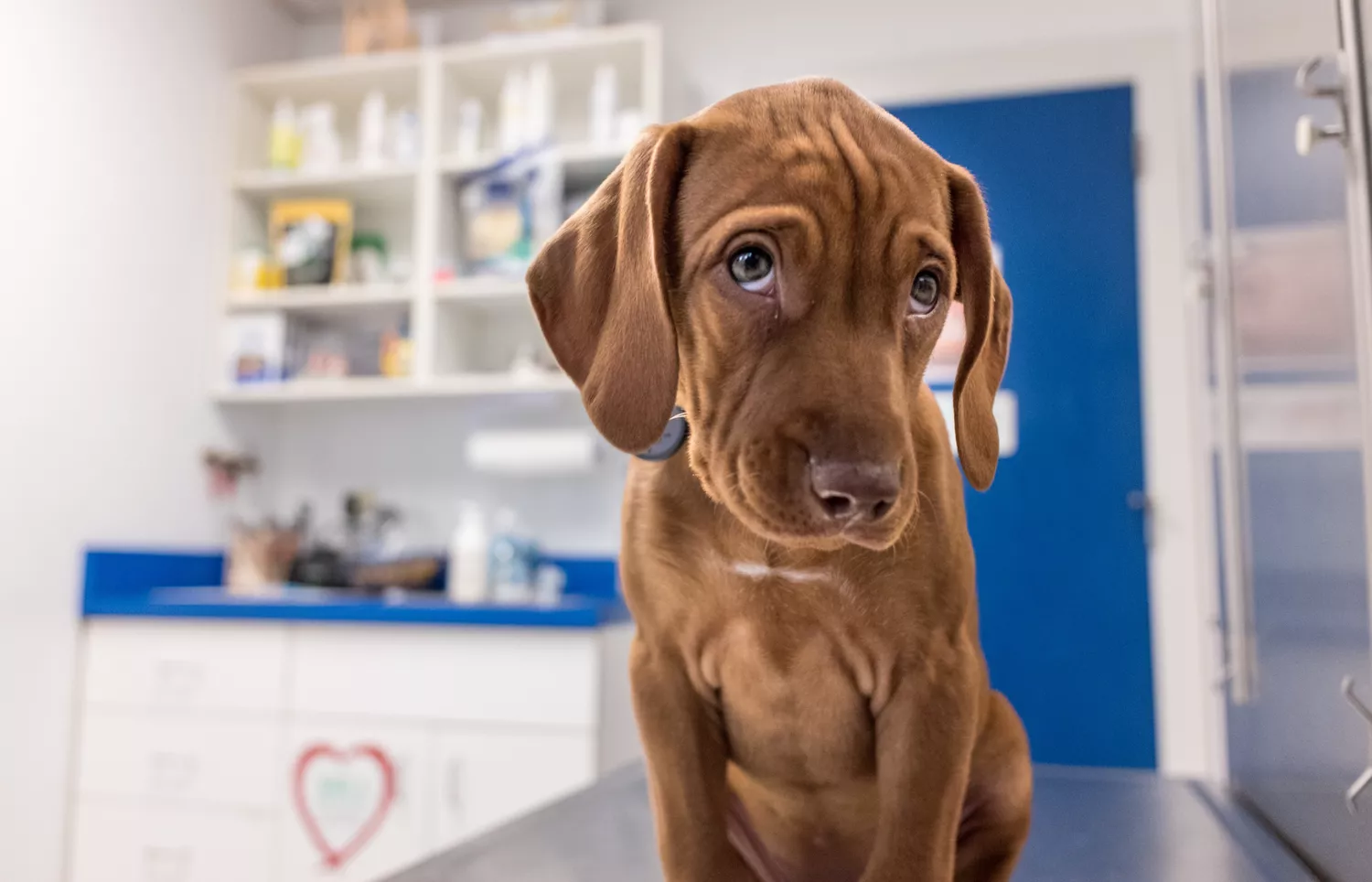
Your new puppy should visit your veterinarian for the first time within a few days of coming home with you. The puppy needs to have a physical examination, even if no vaccines are due. This is a chance to make sure there are no health problems that went undetected by the breeder, shelter, or rescue group.
It's ideal to secure a reputable veterinarian before your puppy comes home, sparing you a rushed search later. Search for a conveniently located vet with a solid reputation and reasonable fees. Leverage recommendations from friends or family with pets, check online reviews, and consider visiting to meet the staff and tour the facility for a better understanding.
During your puppy's first visit, ensure you have all paperwork from the breeder or adoption group. The vet will conduct an examination and discuss the vaccination schedule. Puppies require several core vaccines, starting at six weeks old, with some needing boosters within a year after the initial series.
07 of 07
Learn How to Raise Your Puppy Correctly
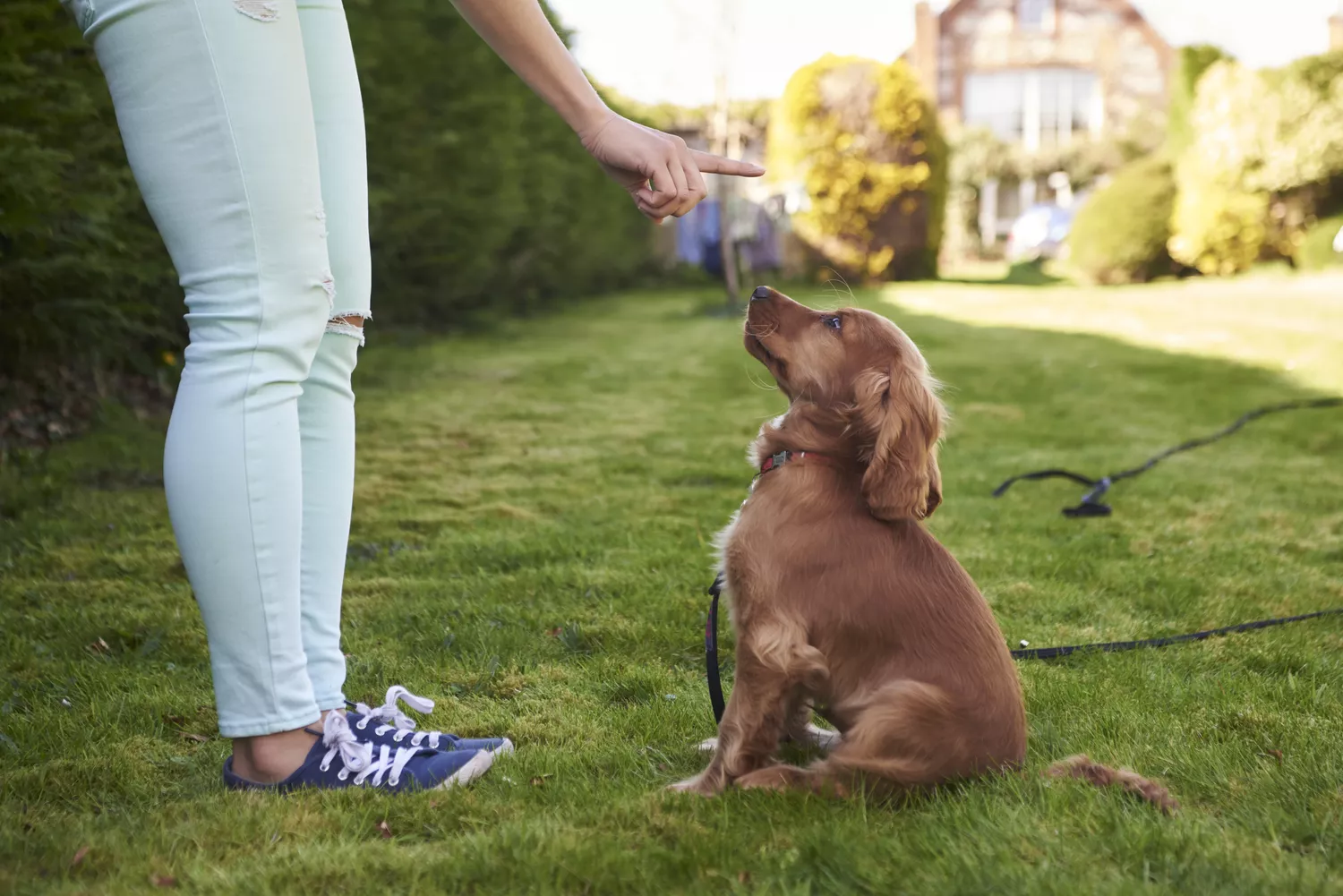
All puppies need special care to make sure they grow up healthy and happy.
Choose a healthy diet made specifically for puppies.
Begin housetraining from the moment your puppy comes home. Understand that this may take many weeks to months.
Begin obedience training at home, but start small. Be patient and consistent. However, don't be too strict; let your puppy be a puppy!
Socialize your puppy well. Take your puppy to lots of different places so it can experience sights, sounds, people, and pets that are new. However, be sure to only let your puppy meet healthy, vaccinated dogs.
Sign up for puppy training classes with a good trainer. Not only will this help your puppy learn, but it will also provide socialization.
Establish a routine that includes exercise.
Stay on schedule with puppy vet visits and vaccines.
Make time for bonding and play. You can even teach your puppy some fun games.
If there is more than one person in your home who will interact with the puppy, set up the structure in advance. Who is responsible for feeding and walking the puppy and when? Make sure all parties agree on rules about where the puppy is allowed to go. Work together to make sure the training is consistent. If there are children in the home, make sure they know how to behave around dogs. If there are other pets in the home, be sure they are properly introduced and well-supervised at all times.



