5 Compelling Reasons Are Two Dogs Better Than One
Having two dogs at once could seem like a lot of work, but there are a few reasons two dogs in one home—whether it’s two older dogs, or an older dog and a puppy—could have benefits for you and the dogs.
Dogs can keep each other company, entertain each other, and learn from one another. Whether or not you should have two dogs depends on the environment you live in, your capacity to care for them, and how any pets already in your home would deal with additional dogs.
Read on to learn why two dogs could be better than one.
01 of 05
They’ll Keep Each Other Entertained and Exercised

Playtime is vital to any dog’s health, happiness, socialization, and overall development—but it can take up a good chunk of your day. Depending on your dog’s age, size, breed, and energy level, you can spend anywhere from 30 minutes to two hours a day exercising him or her.
One easy (and cute) way to ensure your dog is getting enough exercise is by adding a second dog to the mix. You’ll still have to spend some one-on-one time with each dog every day—it’s actually super important for their socialization and development—but they can keep each other entertained on busier days.
Plus, they’ll keep each other company when you’re at work, school, or out running errands, so they're less likely to resort to boredom activities like chewing on shoes or getting into the garbage.
02 of 05
Can Make Puppy Training Easier
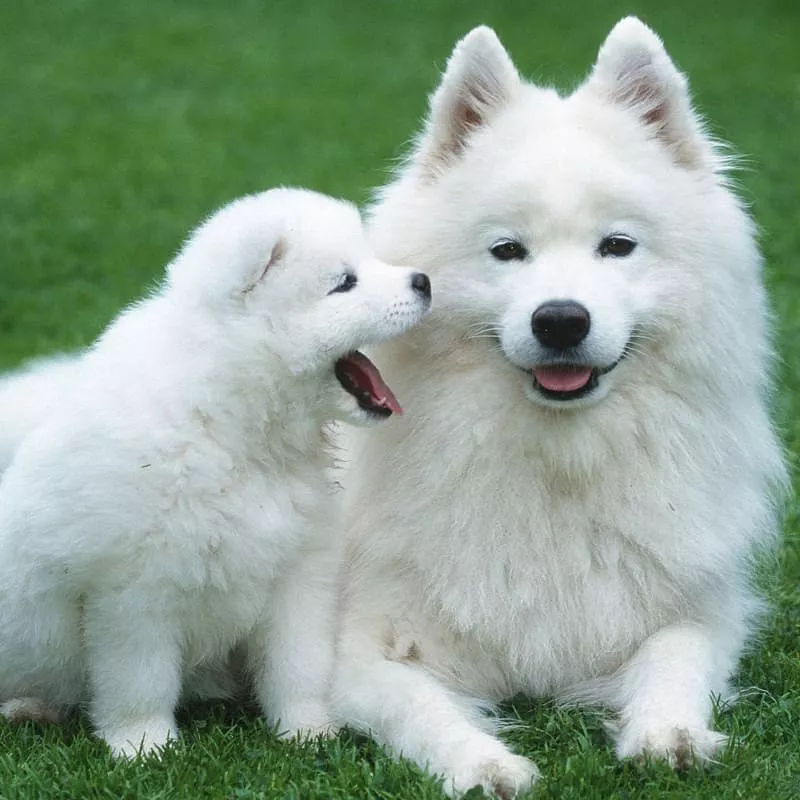
It may be tough to teach an old dog new tricks, but an old dog can certainly teach a new dog some tricks—and the rules of their house. Dogs are social animals, and young pups may look to older dogs for guidance.
You might find puppy training is far easier with an older dog and a new pup, but keep in mind that your older dog should be well-trained before introducing a new dog. Not only can the older dog teach the puppy good behaviors, but they can teach them less favorable ones as well.
Still, having an older dog can make potty training your puppy way easier, too. Dogs tend to do their business where other dogs have already gone, so your puppy will probably poop and pee in the same spots as your older dog.
03 of 05
Helps Ease Separation Anxiety

Many dogs suffer from separation anxiety or feelings of intense anxiety that occur when they’re left alone. Although some dogs will simply grow out of their separation anxiety, some cases require extra attention and solutions, like specialized training, emotional therapy, or even medication.
Some dogs may appreciate a canine companion to help keep them calm and entertained while their owner is away. Separation anxiety is a complex problem, and for some dogs, an unfamiliar dog in their house will increase their anxiety rather than lessen it. Always consult with your veterinarian or behaviorist before making a big change for any dog with separation anxiety.
04 of 05
Saves a Second Life

One of the best reasons to have two dogs, rather than one, is simple: If you adopt two dogs, you’re saving two lives.
It’s estimated that a whopping 3.9 million dogs enter animal shelters each year—and 1.2 million of them are euthanized. You can directly impact (and save) the lives of dogs by giving them a safe, happy home. Plus, adopting dogs from your local animal shelter creates more space for other animals in need.
05 of 05
Doubles the Love

Why do most people add a second dog to the family? Their first dog brought so much love and joy into their homes, and they want more!
Having two dogs can feel like a lot of work sometimes (and it is essentially double the work), but the pros definitely outweigh the cons for homes willing to put in the time and energy. From easier training to better mental and emotional health to saving the lives of animals, there are so many solid reasons to adopt a second dog today.
Preparing your home for a second dog is exciting and can be quite rewarding. Still, it requires careful planning and consideration to ensure a smooth transition for your existing pet and the newcomer.
Firstly, assess your current pet's temperament and compatibility with other dogs. Introduce them to potential new companions gradually in neutral territory to gauge their reactions and compatibility.
Space is a crucial factor. Ensure your home has ample room for two dogs to live comfortably, including separate sleeping areas if needed. By evaluating your lifestyle and schedule, you can confidently ensure you can adequately meet the needs of two dogs, including exercise, feeding, grooming, and veterinary care.
Financial considerations are also significant. Adding another dog can essentially double your expenses. So, factor in additional costs for food, grooming, vaccinations, health insurance, boarding or daycare, and unexpected medical expenses.
Establish clear boundaries and routines to prevent conflicts between the dogs and maintain harmony in the household. Consider the new dog's breed, size, age, and energy level to ensure compatibility with your existing pet and family dynamics. Invest time in training both dogs individually and together to reinforce obedience and promote positive behaviors.
Lastly, be prepared for potential challenges such as jealousy, territory issues, or behavior problems. Patience, consistency, and proper management are key to successfully integrating a second dog into your home. With careful planning and consideration, welcoming a second dog can enrich your life and provide companionship for both pets.



